Skip to content
You deserve a coffee maker that brews your favorite cup without exposing you to harmful chemicals. If you’re worried about plastic parts leaching into your coffee, you’re not alone.
Many coffee machines use plastic components that can release toxins, especially when heated. But what if you could enjoy rich, flavorful coffee made safely with no plastic involved? You’ll discover the safest coffee makers with zero plastic contact, so you can protect your health while savoring every sip.
Keep reading to find the perfect plastic-free coffee maker that fits your lifestyle and gives you peace of mind every morning.
You May Like
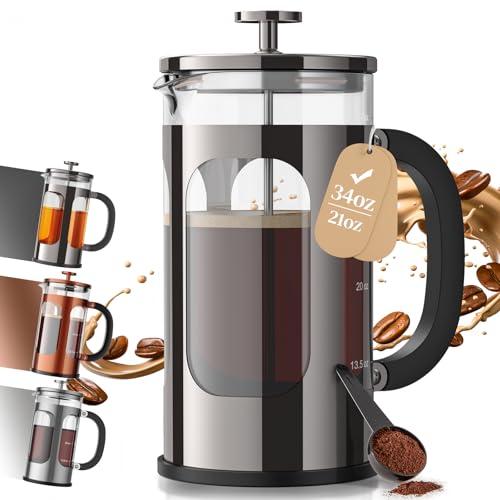
- No Plastic Touching Food: Made with 304 stainless steel and food-grade…
- Thickened Glass and Versatile Brewing: Made of high borosilicate glass…
- 4-Level Filtration for Pure Coffee: This French press has a 4-layer…
- Easy to Clean: Designed for hassle-free cleanup, the glass carafe…

- ADJUSTABLE CARAFE TEMP: Our Cuisinart 14-Cup* Coffee Maker with…
- BREW STRENGTH CONTROL: This coffee maker customizes your brew to…
- FULLY AUTOMATIC COFFEE MAKER: The coffee machine offers convenience…
- 14-CUP* CAPACITY: *Cup equals approx. 5 oz. (varies by brewing…
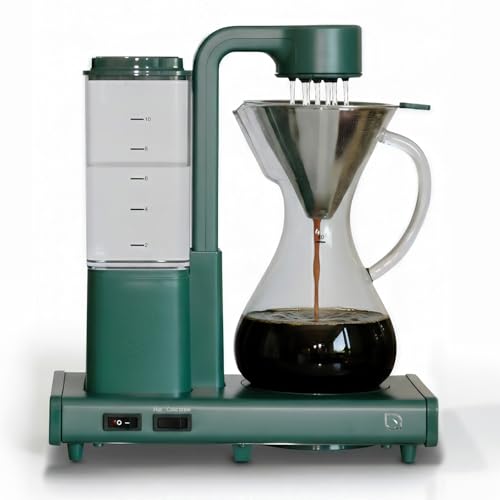
- BREWS 10 PERFECT CUPS: The Willow Pour Over Coffee Maker crafts up to…
- FAST HEATING & CONSISTENT TEMPERATURE CONTROL: Designed for precision,…
- ECO-FRIENDLY: Crafted from GRS Certified post consumer recycled…
- DRIP-STOP FEATURE & AUTO SHUT-OFF: The built-in auto drip stop lets…

- 2 WAYS TO BREW: SINGLE CUP OR FULL POT. The included single-serve…
- SIMPLE SINGLE-SERVE BREWING: With the included mesh scoop, adding your…
- ECO-FRIENDLY AND EASY ON YOUR WALLET. For fresh flavor and less waste,…
- HAMILTON BEACH PROGRAMMABLE COFFEE MAKER WITH MULTIPLE BREW SETTINGS:…
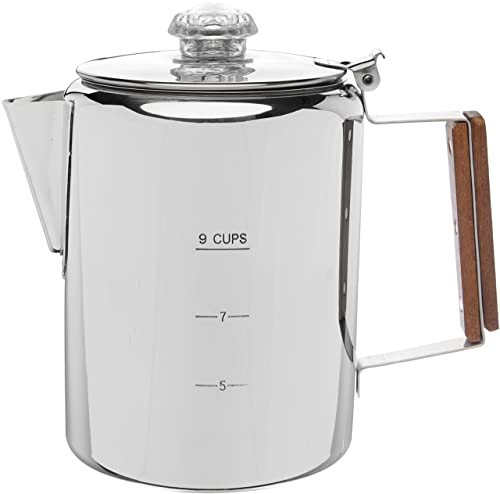
- NO ALUMINUM, NO PLASTIC — JUST COFFEE – Some things should never…
- BUILT TOUGH FOR THE OUTDOORS – The fire crackles, the morning air is…
- QUICK CLEANING ON THE TRAIL – Pack up, rinse out, and keep moving….
- STRONG, SMOOTH, UNCOMPROMISING – Good coffee takes patience, and a…
Health Risks Of Plastic Coffee Makers
Plastic coffee makers are common in many homes. They seem convenient but may pose hidden health risks. Understanding these risks helps choose safer options. Avoiding plastic parts in coffee makers can protect your health.
Chemical Leaching Concerns
Plastics can release chemicals into coffee. These chemicals include BPA and phthalates. They may disrupt hormones in the body. Over time, exposure can lead to health problems. Hot water speeds up chemical leaching from plastics.
Microplastics In Coffee
Plastic coffee makers can shed tiny plastic particles. These particles, called microplastics, end up in your coffee. Drinking microplastics may harm digestion and organs. The full effects of microplastics on health remain unclear. Choosing non-plastic coffee makers reduces this risk.
Impact Of Heat On Plastics
Heat causes plastic to break down faster. Coffee makers use hot water and steam daily. This heat weakens plastic materials over time. Broken plastic can release toxins into coffee. Using glass or metal coffee makers avoids heat damage to plastics.
Materials To Avoid In Coffee Makers
Choosing the safest coffee maker means avoiding certain materials. Some materials can release harmful chemicals into your coffee. These chemicals affect taste and health. Understanding which materials to avoid helps you pick a better coffee maker. Here are key materials that may cause problems.
Plastic Components And Toxicity
Many coffee makers use plastic parts. Plastic can release chemicals when heated. These chemicals may include BPA and phthalates. Both are linked to health issues. Over time, plastic parts can break down. This increases chemical release into your coffee. Coffee makers with no plastic parts are safer choices.
Brass And Metal Parts
Brass is common in coffee makers for durability. It often contains lead or other metals. Lead is toxic even in small amounts. Metals like aluminum can also leach into coffee. Stainless steel is a safer metal choice. Check if the metal parts are food-grade and lead-free.
Common Harmful Chemicals
Certain chemicals appear in coffee makers’ materials. BPA, phthalates, and lead top the list. BPA disrupts hormones and affects brain development. Phthalates can harm the liver and kidneys. Lead causes neurological and developmental problems. Avoid coffee makers with these chemicals for safer brewing.
Benefits Of Plastic-free Coffee Makers
Choosing a coffee maker without plastic parts offers many benefits. It enhances your coffee experience and supports a healthier lifestyle. Plastic-free coffee makers use materials like glass and stainless steel. These materials do not affect your coffee’s taste or safety.
Here are key benefits of using a plastic-free coffee maker.
Improved Coffee Flavor
Plastic can change the taste of your coffee. It may add a strange or chemical flavor. Coffee makers made from glass or metal keep the flavor pure. They preserve the rich and natural aroma of coffee. This results in a fresher, cleaner cup every time.
Reduced Health Risks
Some plastics release harmful chemicals when heated. These chemicals can mix with your coffee. Using plastic-free machines reduces exposure to toxins like BPA. This helps protect your body from potential health problems. Stainless steel and glass are safer choices for brewing.
Environmental Advantages
Plastic waste harms the environment. Plastic coffee makers add to this problem. Choosing a plastic-free coffee maker lowers plastic pollution. Glass and metal parts last longer and are recyclable. This choice supports a cleaner planet and less waste.
Top Non-toxic Coffee Maker Types
Choosing a coffee maker without plastic parts reduces exposure to harmful chemicals. Non-toxic coffee makers use safer materials for brewing your daily cup. Different types fit various needs and styles. Explore the top non-toxic coffee maker types below.
Glass Pour-over Makers
Glass pour-over coffee makers provide pure flavor without plastic contact. They are simple, easy to clean, and heat resistant. These makers allow full control over brewing time and temperature. Glass does not leach toxins or affect taste.
Stainless Steel And Metal Options
Stainless steel coffee makers offer durability and safety. They do not release harmful chemicals during brewing. Metal options heat quickly and maintain temperature well. These models often have sleek designs and last for years.
Ceramic And Porcelain Models
Ceramic and porcelain coffee makers combine beauty with safety. These materials are non-reactive and easy to clean. They keep coffee hot and preserve its natural taste. Ceramic models come in various shapes and colors.
French Press Varieties
French press coffee makers often use glass, metal, or ceramic parts. They brew rich, full-bodied coffee without plastic contact. The plunger design filters grounds effectively. French presses are simple and easy to use.
Best Plastic-free Coffee Makers Reviewed
Choosing a coffee maker without plastic parts is essential for health and taste. Plastic can release harmful chemicals into your coffee. These coffee makers use glass, metal, or porcelain. They keep your coffee pure and safe.
Below are some of the best plastic-free coffee makers. Each one offers a unique brewing style and easy cleaning. Find the perfect one for your kitchen and enjoy fresh, clean coffee every day.
Aarke Drip Coffee Maker
The Aarke drip coffee maker combines style and function. It uses glass and stainless steel parts only. This design avoids all plastic contact with your coffee. The drip process highlights your coffee’s natural flavors. It is easy to clean and perfect for daily use.
Aeropress Premium Coffee Maker
The Aeropress Premium uses minimal plastic but keeps coffee safe. It features a durable metal filter and a reusable filter cap. The main body is BPA-free and designed to avoid plastic taste. It brews rich coffee in minutes. The Aeropress is portable and simple to use.
Bialetti Venus Moka Pot
The Bialetti Venus is a classic stovetop coffee maker. It is made from aluminum and stainless steel only. No plastic parts touch the coffee during brewing. This pot creates strong, espresso-like coffee. It works well on any stove and lasts for years.
Melitta Porcelain Pour-over
The Melitta porcelain pour-over uses no plastic at all. It features a ceramic cone and glass carafe. Pour-over coffee makers give you full control over brewing time. The porcelain does not affect coffee taste. It is easy to clean and very durable.
Fellow Clara French Press
The Fellow Clara French Press uses glass and stainless steel. Its plunger and carafe avoid plastic contact with coffee. This French press produces smooth, full-bodied coffee. It’s simple to use and easy to clean. The design fits well in modern kitchens.
Budget-friendly Toxic-free Coffee Makers
Choosing a coffee maker free of plastic parts can protect you from harmful chemicals. Budget-friendly options exist for safe, toxin-free brewing. These coffee makers use materials like glass, stainless steel, and ceramic. They keep your coffee pure and fresh without breaking the bank.
Affordable Pour-over Choices
Pour-over coffee makers offer control and flavor. Simple glass or ceramic models cost under $30. They have no plastic contact with hot water. Filters are usually paper or metal, both safe. These options are easy to clean and durable.
Low-cost French Presses
French presses made with glass and stainless steel avoid plastic parts. Many models cost around $20 to $50. The plunger and carafe are metal and glass, not plastic. This method produces rich, full-bodied coffee. It is a popular choice for toxin-free brewing.
Value Stainless Steel Options
Stainless steel coffee makers last long and resist stains. Some budget models start at $40. They often include metal filters or carafes. Stainless steel does not leach harmful chemicals. These machines suit people who want durability and safety.
Sustainable And Eco-friendly Picks
Choosing a coffee maker with no plastic parts helps protect the environment. Sustainable and eco-friendly coffee makers use natural materials and reduce waste. These options support a healthier planet and offer safer brewing for your daily cup.
Reusable Filters And Components
Coffee makers with reusable filters cut down on disposable waste. Metal and cloth filters replace single-use paper filters. This saves trees and reduces trash in landfills. Parts like glass carafes and stainless steel baskets last longer. They avoid plastic contamination in your coffee and home.
Energy Efficient Designs
Energy-efficient coffee makers use less electricity during brewing. Some models have auto shut-off features to save power. Lower energy use means less pollution and lower bills. Efficient machines heat water quickly and keep the coffee hot. They balance performance with eco-friendly operation.
Brands Committed To Sustainability
Certain brands focus on eco-friendly materials and fair production. They avoid harmful plastics and use recycled or natural components. These companies often support environmental projects and ethical labor. Choosing their products encourages responsible manufacturing. This helps grow a market for greener coffee makers.
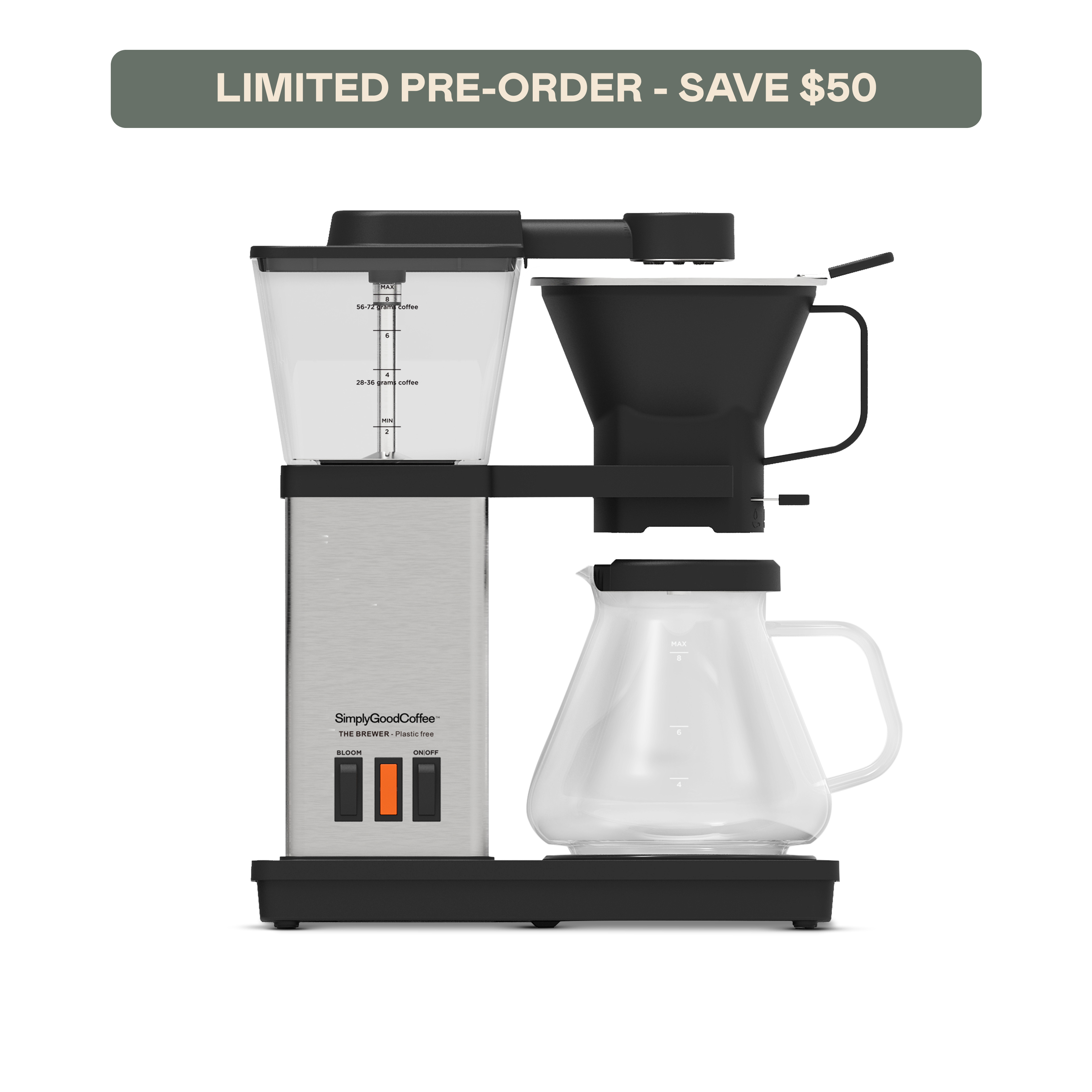
Credit: simplygoodcoffee.com
Tips For Maintaining Plastic-free Coffee Makers
Maintaining a plastic-free coffee maker ensures a safer, cleaner brewing experience. Proper care extends its life and keeps your coffee tasting fresh. Follow simple tips to keep your coffee maker in top condition without using plastic parts.
Cleaning Without Chemicals
Use natural cleaners like vinegar and baking soda. They remove stains and buildup safely. Avoid harsh chemicals that can damage metal or glass surfaces. Rinse thoroughly with warm water after cleaning. Wipe all parts dry with a soft cloth. Clean your coffee maker regularly to prevent residue buildup.
Avoiding Wear And Tear
Handle your coffee maker gently to avoid damage. Avoid dropping or banging glass components. Use soft sponges or cloths for cleaning. Do not use abrasive scrubbers that scratch surfaces. Check seals and gaskets for cracks or leaks. Replace worn parts promptly to maintain safety.
Proper Storage Methods
Store your coffee maker in a dry, cool place. Avoid areas with high humidity or direct sunlight. Keep all parts assembled loosely to allow air flow. Cover your coffee maker with a cloth to prevent dust. Store removable parts separately if needed. Proper storage helps prevent mold and damage.
How To Choose The Right Coffee Maker
Choosing the right coffee maker is essential for a safe and enjoyable coffee experience. Avoiding plastic parts can reduce health risks and improve taste. Focus on features that match your habits and kitchen space. This guide helps find a coffee maker without plastic that suits your needs.
Assessing Your Brewing Preferences
Decide how you like your coffee brewed. Do you prefer drip, pour-over, or espresso? Each method needs different machines. Some coffee makers use glass or stainless steel parts instead of plastic. This choice affects flavor and safety. Pick a style that fits your daily routine.
Considering Capacity And Size
Think about how much coffee you drink each day. Single-serve machines are good for one or two cups. Larger machines work well for families or offices. Also, check the machine’s size to fit your countertop. A compact machine saves space in small kitchens.
Evaluating Durability And Warranty
Look for coffee makers made with sturdy materials like glass and metal. These last longer and avoid plastic contact with hot liquids. Check the warranty period for repair or replacement options. A good warranty shows the manufacturer’s confidence in their product.
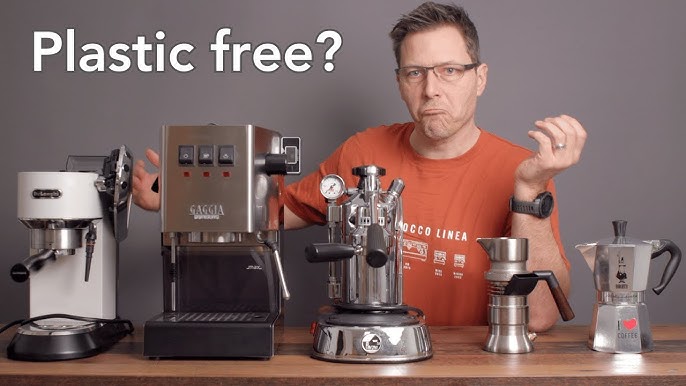
Credit: www.youtube.com
Frequently Asked Questions
What Is The Healthiest Non-toxic Coffee Maker?
The healthiest non-toxic coffee makers use glass, stainless steel, or ceramic parts. The Aarke Drip Coffee Maker and AeroPress are top choices. Avoid plastic components to reduce chemical exposure and microplastic contamination. Choose models with BPA-free or no-plastic contact for safer brewing.
Do Keurig Coffee Makers Release Microplastics?
Keurig coffee makers can release microplastics from K-Cups during brewing. Hot water passing through plastic may contaminate coffee with microplastics and chemicals.
What Is The Healthiest Non-toxic Way To Make Coffee?
Use a glass, ceramic, or stainless steel coffee maker to avoid plastic toxins. Opt for a pour-over or AeroPress for clean, healthy brewing. Choose organic, fresh coffee beans and filter water for the best non-toxic coffee experience.
Do All Coffee Makers Have Prop 65 Warning?
Not all coffee makers have a Prop 65 warning. Only products containing chemicals known to cause cancer or reproductive harm require it. Check product labels to confirm specific warnings before purchase.
Conclusion
Choosing a coffee maker without plastic parts keeps your drinks pure and safe. Glass and stainless steel options avoid chemicals that can harm your health. Simple designs often mean fewer risks and easier cleaning. Investing in a plastic-free coffee maker protects both your body and the environment.
Enjoy your coffee with peace of mind every morning. Safe brewing leads to better taste and better health.

Hi, this is Cynthia A. Rose. Welcome to my Grinder related blog. Usually, I am busy with my kitchen and cooking all day. My main desire is to create a new recipe every day. But I have to use new tools every day to create new recipes. In this blog, I will share you how to use kitchen tools properly. I will not just share cooking related equipment, I will try to review all kinds of grinders like angle grinder among you. I hope my 12 years of experience will come in handy. Thanks!