Choosing the right air powered angle grinder depends on whether you need high-speed grinding for small parts or heavy-duty cutting for steel. Most buyers focus only on RPM, but the motor horsepower and the tool’s physical size often matter more for daily comfort. While the Chicago Pneumatic CP875 leads for compact maintenance tasks, heavy-duty users often prefer the extra torque found in larger units.
All 10 products side by side — scroll sideways to see every column.
| Top Pick | Best for Quiet Shops | Best for Heavy Cutting | Best for Ergonomics | Best for Precision Work | Best for Large Discs | Best for Deep Spaces | Best for Versatility | Best Adjustable Angle | Best for Industrial Use | |
| Preview | 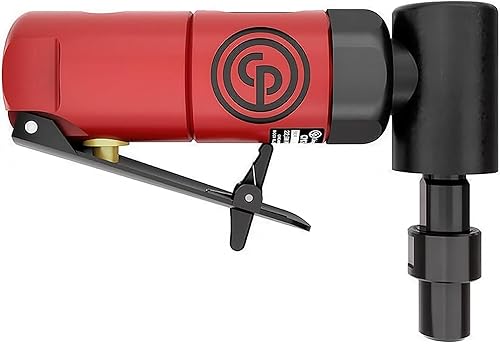 |  |  |  |  |  |  |  |  | 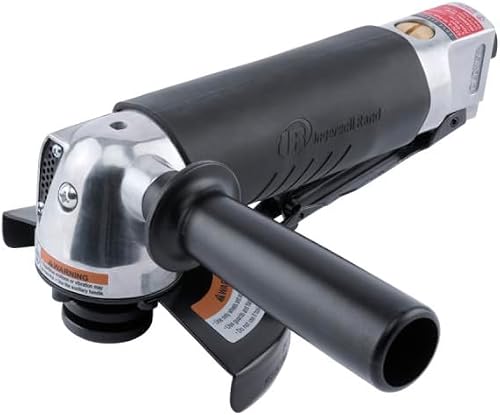 |
|---|---|---|---|---|---|---|---|---|---|---|
| Product | Chicago Pneumatic CP875 | AIRCAT 6280 | Ingersoll Rand 3445MAX | AIRCAT 6255 | JET JAT-403 | Astro Tools 30045 | Long Handle Pneumatic Grinder | WORKPRO Air Grinder | LE LEMATEC Pneumatic Grinder | Ingersoll Rand 422G-A |
| Brand | Chicago Pneumatic | AIRCAT | Ingersoll Rand | AIRCAT | Jet | Astro Tool | HYYKJ-US | WORKPRO | LE LEMATEC | Ingersoll Rand |
| Best for | Best Overall | Best for Quiet Shops | Best for Heavy Cutting | Best for Ergonomics | Best for Precision Work | Best for Large Discs | Best for Deep Spaces | Best for Versatility | Best Adjustable Angle | Best for Industrial Use |
| The listing says | 0.3 HP, 220 W, 22,500 RPM output 4.88-inch length, 0.99 lb weight | 18,000 RPM, .75 HP non-stall motor Top-mounted speed control switch | 0.88 hp, 4.5" wheel, 12,000 rpm 1.4-pound weight with auxiliary handle | 18,000 RPM, .4 HP, 82 dBA Ergonomic handle for user comfort | Built-in air regulator Compact body for tight spaces | Fits 4.5" disc, 7/8" arbor 8.5" long | 12.2-inch handle for extended reach 90 PSI, 25,000 RPM output | 90-degree head with 1/4" and 1/8" collets 20,000 RPM, 90psi, 85.5l/min | Adjustable swivel head mechanism 20,000 RPM, 1.4 lbs | 0.6 hp, 5" wheel, 12,000 rpm 4.14-pound weight with ergonomic grip |
| More information | Price on Amazon | Price on Amazon | Price on Amazon | Price on Amazon | Price on Amazon | Price on Amazon | Price on Amazon | Price on Amazon | Price on Amazon | Price on Amazon |
Head to Head on What Matters
Power Output and Motor Size
The power of an air tool is measured in horsepower (HP). The Ingersoll Rand 3445MAX provides high power, making it a strong choice for heavy cutting. In contrast, the Chicago Pneumatic CP875 offers lower power, which is better suited for light deburring. The AIRCAT 6280 sits in the middle with a non-stall motor, providing a balance for those who need more than a standard die grinder but less bulk than a full-sized angle tool.
Choosing the right motor size depends on your specific workload. If you’re performing heavy weld preparation or industrial metal fabrication, you need the higher torque found in the 0.8 HP Astro Tools 30045 or the 0.88 HP Ingersoll Rand 3445MAX. These tools prevent the motor from stalling under pressure. For smaller tasks like porting or smoothing, a lower HP motor is sufficient and often results in a lighter, more maneuverable tool.
Speed and Control
Free speed, measured in RPM, dictates how fast the tool spins without a load. The Long Handle Pneumatic Grinder reaches 25,000 RPM, while the Ingersoll Rand 3445MAX spins at 12,000 RPM. Higher RPM isn’t always better; it depends on your disc size and material. Many models, such as the JET JAT-403, include a built-in air regulator to help you stay in control when working on delicate surfaces.
You should match the RPM to the accessory you’re using. High-speed tools are excellent for rapid material removal, but they require a steady hand to avoid gouging the workpiece. If your project requires precision, look for tools with variable-speed throttles or adjustable knobs, like the ones found on the LE LEMATEC or the Long Handle Pneumatic Grinder. These allow you to ramp up speed slowly, ensuring you don’t damage the finish during the final stages of polishing or contouring.
Ergonomics and Size
Weight and length determine how long you can use the tool without fatigue. The Chicago Pneumatic CP875 is very compact at 4.88 inches long and weighs only 0.99 lbs. The Long Handle Pneumatic Grinder, however, extends to 12.2 inches, which helps reach deep crevices where a short tool can’t fit. The Ingersoll Rand 422G-A is heavier at 4.14 lbs, reflecting its industrial build designed for long, tough projects.
Consider the layout of your workspace before choosing a size. A compact tool like the WORKPRO is ideal for one-handed operation in tight engine bays, whereas the extended reach of the Long Handle Pneumatic Grinder is necessary for overhead pipes or deep chassis work. If you’re working for extended periods, prioritize models with composite housings and ergonomic grips, which are designed to reduce vibration and minimize user fatigue. Always verify that your air compressor meets the minimum PSI requirements for your chosen tool to ensure it performs as expected.
What the Numbers Mean for You
When choosing an air-powered angle grinder, the gap between a 0.3 HP and 0.88 HP motor is significant for your workflow. A lower-powered tool is easier to handle for fine detail work, such as smoothing edges or polishing metal. Conversely, a high-horsepower tool removes material quickly but can be harder to keep steady on small, intricate pieces.
The RPM rating is linked to the size of the grinding wheel. Larger wheels, like the 4.5-inch or 5-inch discs, require lower speeds to operate safely, while small die grinder bits often need high RPMs to cut efficiently.
To determine if a tool fits your needs, look at the air consumption and pressure requirements. Most industrial-grade grinders require a consistent 90 psi to reach their rated performance. The listing doesn’t mention torque loss.
Consider the exhaust placement as well. Models with rear exhaust systems direct air away from the workpiece and your face, which is vital when performing precise polishing or deburring. If you’re working in confined engine bays or deep crevices, look for tools with adjustable heads or extended handles. These features allow you to maintain a safe, balanced grip while reaching areas that standard fixed-angle grinders can’t access. Always prioritize tools with safety throttle levers or locking mechanisms to prevent accidental engagement during setup or transport.
1. Chicago Pneumatic CP875
Best for: Light maintenance and tight spaces.
This model is built for precision in confined areas where bulkier tools can’t reach. Its 0.3 HP motor is modest, but it provides sufficient speed for delicate deburring, polishing, and die contouring. Because the tool weighs only 0.99 lbs, you can maintain steady control during long sessions without experiencing significant hand strain.
The compact 4.88-inch length allows you to maneuver into tight engine bays or recessed frames. When you need to perform light chamfering or surface preparation, the integrated air regulator ensures you can dial in the exact pneumatic operation required for the task. This level of control is essential when working on intricate parts where over-grinding would ruin the workpiece.
However, recognize the limitations of this design. This tool isn’t intended for heavy-duty material removal or cutting through thick steel. The lower horsepower means the motor will stall if you apply excessive pressure. If your project involves aggressive grinding, you must move to a more powerful unit to avoid damaging the internal components.
Pros
- Very compact 4.88-inch length
- Lightweight at 0.99 lbs
- Built-in air regulator for speed control
- Durable aluminum housing with composite over-sleeve
- Safety throttle lever prevents accidental start-ups
Cons
- Lower horsepower limits heavy material removal
- Not suitable for high-torque cutting applications
2. AIRCAT 6280 .75 HP Angle Die Grinder with Spindle Lock
Best for: High-power grinding with low noise.
The AIRCAT 6280 is designed for those who need significant power without the piercing noise typical of pneumatic tools. Its non-stall motor provides the torque necessary to handle tough, demanding tasks without bogging down under pressure. Because it features a patented tuned exhaust system, this tool keeps noise levels down to a quiet level. This makes it an ideal choice for shop environments where hearing protection is a priority but performance can’t be sacrificed.
The tool incorporates an Erickson-style precision collet, which ensures that your grinding bits stay secure during high-speed operation. You can easily adjust the speed using the control switch located at the top of the grip. This placement allows you to make quick adjustments without losing your hold on the tool.
While the composite handle improves grip comfort during extended use, the tool isn’t intended for users who need a tiny device for extremely small, cramped engine ports. Its robust design prioritizes power and silencing technology over compact dimensions.
Pros
- Quiet operation at 79 dBA
- High power output
- Easy-to-reach speed control switch
Cons
- Larger size than standard die grinders
3. Ingersoll Rand 3445MAX 4.5″ Air Angle Grinder/Cutoff Tool
Best for: Heavy-duty cutting and metal fabrication.
This tool is a workhorse for professional garages. The 0.88 HP motor provides steady performance for cutting, while the auxiliary handle helps with stability. It’s built for 4.5-inch wheels, making it a dedicated cutting tool. This isn’t the right choice for small, delicate engraving or fine polishing tasks.
The 3445MAX excels because of its internal engineering. A built-in lubricating wick constantly optimizes the life of the angle gear set, which is critical when you’re running the tool at its 12,000 rpm maximum speed. This feature reduces the maintenance burden during long days of metal fabrication.
The 1.4-pound composite housing is designed to minimize vibration. This is vital when you’re using the tool for extended periods, as it helps prevent fatigue while maintaining the power-to-weight ratio needed for tough projects. You’ll need an air compressor capable of at least 90 psi to keep the motor running at its peak potential.
Pros
- Powerful 0.88 HP motor
- Ergonomic auxiliary handle included
- Built-in lubricating wick for gear longevity
- Lightweight composite housing reduces vibration
Cons
- Not suitable for fine detail work
- Requires a robust air compressor setup
- Sold as a standalone tool without accessories
4. AIRCAT 6255 .4 HP Composite Right Angle Die Grinder
Best for: Comfortable, quiet shop use.
This grinder prioritizes user comfort through its ergonomic handle and sophisticated, patented silencing technology. By tuning the exhaust system, the tool maintains a quiet 82 dBA operation, which is a significant advantage during extended sessions in a home or professional shop.
With its efficient motor, the tool provides a balanced output for general tasks. It excels at precise work such as deburring, high-speed blending, smoothing, and porting. Because the design is compact, it’s particularly effective when you must navigate confined areas where larger tools would be cumbersome.
However, this isn’t the right choice for heavy-duty grinding that requires high torque. If your goal is to remove large amounts of metal quickly, the modest horsepower will limit your progress. It’s a tool built for refinement rather than brute force.
Pros
- Quiet operation at 82 dBA
- Ergonomic handle design for extended use
- High 18,000 RPM speed for clean finishes
Cons
- Limited power for aggressive, heavy-duty metal removal
- Not intended for high-torque applications
The AIRCAT 6255 represents a shift in pneumatic design, focusing on the operator’s experience without sacrificing the speed necessary for professional-grade surface preparation and blending.
5. JET 1/4-Inch Pneumatic Right-Angle Die Grinder
Best for: Precision work in small areas.
The JET JAT-403 uses a sealed ball bearing design to keep out dust, which helps it last through long projects. It features a compact body and a safety throttle lock for added security. It isn’t designed for heavy-duty cutting or large-scale metal fabrication.
The right-angle head design is the defining feature here. It allows you to reach into tight or angled spaces where a straight-line tool simply can’t fit. This makes it an ideal choice for intricate deburring or cleaning up welds in cramped engine bays.
You also gain significant control through the built-in air regulator. By adjusting this, you can dial in the precise speed required for delicate materials. The variable-speed throttle then allows you to ramp up smoothly toward the maximum 22,000 RPM. This progressive acceleration prevents the tool from jumping or marring your workpiece during the initial contact.
Pros
- Sealed bearings for smooth operation
- Compact, mini body design
- Includes safety throttle lock
- Precise speed regulation
Cons
- Not for large wheel applications
- Limited power for heavy-duty fabrication
6. Astro Tools 30045 ONYX 4.5″ Compact Air Angle Grinder
Best for: Compact 4.5-inch grinding.
This tool packs 0.8 HP into a compact 8.5-inch frame. It is designed specifically for standard-sized grinding discs, making it a serious cutting and grinding tool. It isn’t for someone looking for a small, handheld die grinder for light polishing.
The 0.8 HP motor provides enough torque to handle demanding material removal without stalling under pressure. By focusing on the industry-standard disc size with a 7/8-inch arbor hole, it stays specialized for heavy-duty metalwork rather than delicate finishing tasks.
The integrated push-button spindle lock simplifies maintenance. You can swap out worn discs quickly, which keeps your workflow moving during long projects. Because the tool uses a 5/8-inch-11 thread size, it remains compatible with a wide range of common industrial attachments.
Pros
- High 0.8 HP output
- Spindle lock for easy disc changes
- Compact 8.5-inch length for a 4.5-inch tool
Cons
- Requires larger air compressor capacity to maintain the 12,000 rpm speed
- Not intended for light-duty polishing or precision die grinding
The high power-to-size ratio makes this unit ideal for confined spaces where a standard angle grinder would be too cumbersome. Ensure your air system can support the high output before starting.
7. Long Handle Pneumatic Grinder
Best for: Extended reach in deep spaces.
With a 12.2-inch handle, this grinder is the only choice for reaching deep into pipes or engine bays. It offers high speed and adjustable control for various tasks. It isn’t for users who need a compact tool for tight, one-handed work in open areas.
The extended reach provides a safer working distance when you’re grinding overhead or navigating deep crevices. This length also helps distribute the tool’s weight, keeping it balanced even when you’re working at awkward angles.
Because the tool runs on 90 PSI compressed air, it maintains consistent power without the risk of overheating. The speed control knob allows you to transition between delicate deburring and aggressive metal cutting. You should dial the speed down for fine finishing work to avoid damaging the surface.
The pressure plate start switch requires a deliberate hand motion, which prevents accidental activation. Always ensure the 180-degree safety shield is positioned between the blade and your body to block flying chips.
Pros
- Long reach for hidden spots
- Adjustable speed control knob
- 180-degree safety shield
Cons
- Bulky design for general use
8. WORKPRO Air Angle Die Grinder
Best for: Versatility with multiple collet sizes.
This grinder comes with both 1/4-inch and 1/8-inch collets, allowing for a wide range of bits. Its 90-degree head design is specifically engineered for flexibility. You can reach into tight, angled spots that straight grinders simply can’t access. This makes it an ideal choice for deburring, porting, or breaking sharp edges in cramped engine bays or small fabrication projects.
It’s lightweight and easy to hold, with a compact design that minimizes fatigue.
Pros
- Includes both 1/4-inch and 1/8-inch collet sizes
- Lightweight, ergonomic build for one-handed control
- Rear exhaust directs air away from the operator
- Safety-lock throttle lever prevents accidental start-ups
Cons
- Requires an external air compressor
- Not intended for heavy-duty industrial cutting
- Must remove the dust plug before initial use
- Requires sealant tape on the air inlet to prevent leaks
9. LE LEMATEC Pneumatic Die Grinder
Best for: Projects requiring adjustable angles.
The swivel head mechanism sets this tool apart, as you can change the angle to fit tricky spots. Standard straight or 90-degree grinders often fail to reach deep into confined chassis spaces or cramped engine bays. This tool pivots to the exact angle you need, granting you access where others simply can’t go.
It runs at a high-speed 20,000 RPM while maintaining a quiet 82 dB operation. The rear exhaust system is a vital feature, as it directs metal filings and debris away from both your face and the workpiece. This keeps your sightlines clear during delicate restoration or polishing tasks.
It isn’t for users who prefer a fixed-angle tool for absolute rigidity during heavy grinding. The swivel mechanism adds a layer of complexity that a solid-body tool avoids. However, for those navigating complex fabrication or tight rust removal, the trade-off is worth the precision.
Pros
- Fully adjustable swivel head
- Quiet operation at 82 dB
- Rear exhaust keeps workspace clean
- Rugged housing for durability
Cons
- Swivel mechanism is more complex than fixed heads
- Not intended for rigid, heavy-duty grinding applications
10. Ingersoll Rand 422G-A 5″ Air Angle Grinder
Best for: Long-term industrial durability.
This is a heavy-duty tool built with a metal housing. It’s designed for 5-inch wheels and tough shop environments. It isn’t a portable or lightweight tool, and it will be too heavy for someone who needs to perform delicate, overhead work all day.
The 0.6 hp motor is designed for tasks including auto repair, mechanic body work, and metal fabrication. Because it’s engineered for continuous air power, it maintains its effectiveness during long shifts on the job site.
A standout feature is the integrated motor controller. This mechanism actively prevents overspeeding, which is a critical safety and performance benefit when you’re tackling weld grinding or precise metal finishing. The tool also features a locking lever paired with a tease throttle, allowing you to maintain fine control over the 12,000 rpm output.
Pros
- Durable metal housing
- Motor controller prevents overspeeding
- Industrial-grade reliability
- Reduced vibration engineering
Cons
- Heavy at 4.14 lbs
- Requires a compressor with at least 90 psi
To get the most out of this grinder, ensure your air compressor provides sufficient pressure to drive the motor effectively. While the weight might be a drawback for overhead tasks, the robust construction is specifically intended to survive the rigors of industrial settings and domestic garages where longevity is the priority.
The Gunpla Angle Air Die Grinder includes 26 pieces of 2-inch sanding discs. The SHALL Right Angle Die Grinder also offers a great bundle with various accessories, suitable for those who need a full set immediately. Finally, the 3inch Air Cut Off Tool is a specialized choice if your main task is simply cutting through metal sheets rather than grinding.
Frequently Asked Questions
Is a higher RPM always better for grinding?
No, higher RPM isn’t always better. The ideal speed depends on the size of the disc or bit you’re using. Larger grinding wheels require lower RPM to prevent them from shattering, while smaller carbide burrs often need high speeds to cut efficiently. Always check the speed rating on your grinding accessories to ensure they match the tool’s RPM limit.
What does a higher horsepower rating mean for me?
Horsepower indicates the strength of the motor. A higher horsepower tool is better for removing large amounts of material or cutting through thick steel without stalling. For light deburring or polishing, a lower horsepower tool is perfectly fine and often easier to control.
How do I compare two tools with different air consumption?
Air consumption is measured in CFM (cubic feet per minute). You must ensure your air compressor can provide the CFM the tool requires. If your compressor is too small, the tool will lose power after a few seconds of use. Always check the specifications to confirm your compressor can keep up with the tool’s needs for the duration of your project.
Why do some grinders have rear exhaust while others do not?
Rear exhaust systems are designed to direct air and debris away from your face and the workpiece. This helps keep your area clean and prevents dust from blowing back at you.
Conclusion
Before you commit to a purchase, check your air compressor’s output to ensure it can handle the tool’s requirements. You’ll want to make sure your setup provides enough steady pressure to keep the motor running smoothly. Once you’ve confirmed your air supply is ready, you’re all set to start your project.

Hi, this is Cynthia A. Rose. Welcome to my Grinder related blog. Usually, I am busy with my kitchen and cooking all day. My main desire is to create a new recipe every day. But I have to use new tools every day to create new recipes. In this blog, I will share you how to use kitchen tools properly. I will not just share cooking related equipment, I will try to review all kinds of grinders like angle grinder among you. I hope my 12 years of experience will come in handy. Thanks!