Finding the right 7 angle grinder can feel like a chore. There are dozens of options, and they all look quite similar at first glance. You need a tool that handles your specific materials without feeling too heavy or awkward in your hands. This guide helps you cut through the marketing talk to find the best tool for your workshop. We focus on power, control, and features that actually matter on the job site. The Makita GA7021 is our pick for most people because it balances a strong motor with a user-friendly design.
What Actually Matters
Motor Power and RPM
A high-amp motor is the heart of any 7 angle grinder. You should look for at least 13 to 15 amps if you plan on cutting through thick steel or dense masonry. Higher amperage usually means the tool keeps its speed under a heavy load. RPM also plays a part; higher RPM helps with fast material removal, but lower RPM settings often provide more torque for deep, steady cuts. Check the motor rating on the label to ensure it matches the hardness of the materials you work with most often.
Vibration Control
Using a large grinder for hours can be tiring. Modern tools often include anti-vibration handles or internal systems designed to soak up the shaking. This keeps your hands from going numb and helps you maintain accuracy when you’re making long, straight cuts. If you spend your day grinding welds or cleaning up large metal surfaces, a tool with an integrated vibration dampening system is a smart choice. You can often see these systems in the form of a specially padded side handle or an internal mechanical clutch.
Switch Type and Safety
The switch is how you interact with the tool, and it changes how you work. Some grinders use a rear trigger, which is great for long periods of grinding because it keeps the tool running without constant finger pressure. Others use a slide or paddle switch, which allows for quick, on-and-off tasks. Always look for a lock-on feature if you have long sessions planned. Additionally, restart protection is a vital safety feature that prevents the machine from starting up on its own if the power cuts out and comes back on unexpectedly.
Guard Adjustability
Safety guards must be strong and easy to move. A tool-less, adjustable guard allows you to change the spark direction in seconds without needing a wrench. This is helpful when you’re working in tight corners or switching between cutting and grinding angles. Ensure the guard is rated to be burst-proof, which adds a layer of protection if a disc breaks during use. Rotating the guard quickly allows for efficient adjustments while you work.
All 10 products side by side — scroll sideways to see every column.
| Top Pick | Best for Metal Cutting | Best for Cordless Use | Best for Long Sessions | Best for Tough Materials | Best for Smooth Starts | Best for Dust Protection | Best for Constant Speed | |||
| Preview | 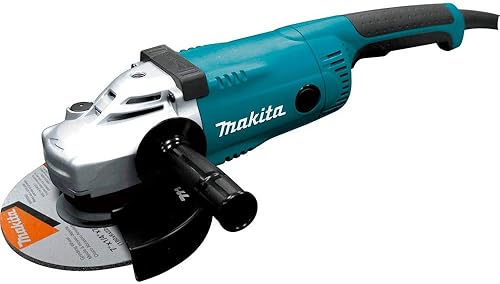 | 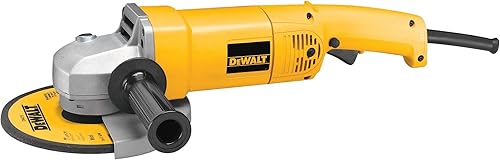 | 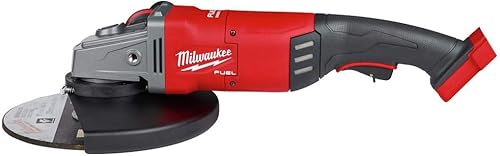 |  |  |  |  |  |  |  |
|---|---|---|---|---|---|---|---|---|---|---|
| Product | Makita GA7021 | DEWALT DW840 | Milwaukee M18 FUEL | Metabo W 24-180 | DEWALT D28499X | Bosch GWS22-180J | PROMAKER 7 Inch | DEWALT DWE4517 | Metabo HPT 7-Inch | Makita GA7011C |
| Brand | Makita | DEWALT | Milwaukee | Metabo HPT | DEWALT | Bosch | ProMaker | DEWALT | Metabo HPT | Makita |
| Best for | Best Overall | Best for Metal Cutting | Best for Cordless Use | Best for Long Sessions | Best for Tough Materials | Best for Smooth Starts | — | — | Best for Dust Protection | Best for Constant Speed |
| The listing says | 15 AMP motor delivers 6,600 RPM Rubberized soft grip handle | Plastic / Metal construction Made in the USA or Imported | 15 Amp corded power Tool free accessory and guard adjustments | Metabo Longlife motor with dust protection 20% higher overload capacity | 5.3 HP motor with 6,000 rpm Rotating rear handle | 15-amp motor delivers 8,500 RPM Integrated lock-on trigger switch | 17.2 AMP 2000W motor up to 8400 RPM 12.1 lbs with 3-position side handle | 4 HP motor with 8,500 rpm Epoxy coated field and armature | 15 Amp 2,400W motor Dust protection and auto-stop carbon brushes | 15.0 AMP motor delivers 6,000 RPM Constant speed control under load |
| More information | Check Price on Amazon | Check Price on Amazon | Check Price on Amazon | Check Price on Amazon | Check Price on Amazon | Check Price on Amazon | Check Price on Amazon | Check Price on Amazon | Check Price on Amazon | Check Price on Amazon |
1. Makita GA7021 7″ Angle Grinder
Best for: Most users needing a reliable, all-around performer.
The Makita GA7021 is a solid choice because it delivers consistent power through its 15-amp motor. It feels balanced, and the rubberized soft grip helps keep your hands steady during long tasks. The rear trigger switch with a lock-on feature makes it very convenient for continuous grinding work.
The tool-less wheel guard is a welcome feature for anyone who switches tasks often. It allows for fast adjustments without reaching for extra tools. This grinder isn’t for someone who needs a specialized cordless option, as it requires a constant power source to function.
You’ll also appreciate the large rubber tool rest. This simple addition protects your workpiece from damage when you set the tool down between cuts. It prevents the heavy metal housing from marring sensitive surfaces, saving you time on rework or cleanup.
Pros
- Powerful 15-amp motor for demanding work
- Comfortable rubberized grip for better control
- Convenient lock-on trigger for extended use
- Quick tool-less guard adjustments
- Protective rubber tool rest
Cons
- Lacks cordless mobility
- Heavy for overhead work
2. DEWALT Angle Grinder
Best for: Heavy-duty metal grinding and cutting.
The DEWALT DW840 provides a high power-to-weight ratio, making it a favorite for those who move between job sites. Its 13-amp motor spins at 8,000 RPM, which is plenty of speed for most metal applications. The external brush caps are a big plus, as they allow for easy maintenance without taking the whole tool apart.
Because the bearings are sealed, this model is built to last in dusty environments. However, it’s a basic, heavy-duty workhorse. If you prefer modern comfort features like advanced vibration dampening, you might find this model feels a bit more “raw” compared to newer designs.
Pros
- High power-to-weight ratio
- Easy field servicing via external brush caps
- Sealed bearings for longer life
- Fast disc swaps with spindle lock
Cons
- Lacks advanced vibration dampening
- Basic handle ergonomics
3. Milwaukee 2785-20 M18 FUEL 7 in. / 9 in. Large
Best for: Professionals who need cordless freedom.
The Milwaukee M18 FUEL is a significant upgrade for those who are tired of dragging cords across a job site. It delivers the heavy-duty power you would expect from a standard corded machine, thanks to its brushless motor. The dual-action trigger is a great safety feature that prevents you from accidentally starting the tool.
This grinder is built with a tough metal housing that feels very durable. Since it uses batteries, it’s ideal for remote areas. It isn’t for the person who only works in a stationary shop, as batteries and chargers are sold separately.
Pros
- Cordless performance matches corded tools
- Brushless motor for high efficiency
- Durable metal housing and gearing
- Safe dual-action trigger design
Cons
- Battery and charger sold separately
- Heavier than corded models
4. Metabo 7-Inch Angle Grinder
Best for: Reducing fatigue during long grinding sessions.
The Metabo W 24-180 is engineered for those who prioritize safety and user comfort. Its mechanical safety slip clutch is a standout feature, as it helps prevent kickback if a wheel gets jammed. The anti-vibration side handle significantly reduces the strain on your arms.
This model features a “longlife” motor that’s protected against dust, which is a major factor for masonry work. It isn’t for a hobbyist who only needs a tool for occasional light use, as the professional-grade features and engineering make it a more substantial machine.
The tool’s power comes from a 15-amp motor capable of 8,500 RPM. This combination provides 50% more torque and higher overload capacity. Because the motor is built with auto-stop carbon brushes, it prevents internal damage before it starts.
You can mount the rotating back and side handle in three distinct positions. This ensures you maintain control even when making awkward cuts. The burst-proof guard is also tool-free, allowing for quick adjustments on the job site.
Pros
- Mechanical slip clutch prevents dangerous kickback
- Vibration-dampened handle protects the user
- Dust-protected motor for longer life
- Three-position handle for better access
Cons
- Higher learning curve for features
- Bulky handle design
5. DEWALT Angle Grinder Tool
Best for: High-torque applications on tough materials.
The DEWALT D28499X is a powerhouse, boasting 5.3 horsepower to handle the most difficult grinding tasks. Its rotating rear handle is a brilliant feature that lets you adjust your grip for better ergonomics, especially when you’re making long horizontal cuts. The low-profile gear case is perfect for sliding into tight spots.
By pairing that 5.3 HP motor with a 6,000 RPM output, the tool maintains high operating speeds even when under a heavy load. This makes it particularly effective for rapid material removal when using 9-inch grinding wheels. You also get a 5-position side handle, which allows you to customize your grip to match the specific angle of your work.
The epoxy-coated field and armature protect the internal components from abrasive debris. To ensure longevity, the tool includes automatic turn-off brushes that shut down the motor when service is required, preventing internal damage. This is a very large, powerful tool.
Pros
- High 5.3 HP motor for tough jobs
- Rotating rear handle improves comfort
- Low-profile gear case for tight spaces
- Overload protection prevents motor damage
Cons
- Very heavy and large
- Overkill for light tasks
6. Bosch GWS22-180J 7 In. Large Angle Grinder
Best for: Smooth, jolt-free startups and safety.
The Bosch GWS22-180J stands out because of its soft-start feature, which prevents the tool from jerking in your hands when you pull the trigger. The restart protection is a great safety addition that ensures the tool stays off if power is lost and returned. It comes with both cutting and grinding guards, making it very versatile right out of the box.
The 8,500 RPM motor is excellent for fast material removal. If you’re looking for a simple, safe, and efficient tool, this is a top contender. It isn’t for someone who prefers a paddle switch, as this model uses a lock-on trigger.
Pros
- Soft start reduces jolt and kickback
- Restart protection for added safety
- Includes two types of wheel guards
- Anti-vibration handle included
Cons
- Lock-on trigger might not suit everyone
- Large size requires two-handed use
7. PROMAKER 7 Inch Angle Grinder
Best for: Heavy-duty performance on a budget.
The PROMAKER 7 Inch grinder is built for hard work on iron, concrete, and masonry. With a 17.2-amp motor, it has plenty of power to ensure the tool doesn’t fade while you’re cutting through thick materials. The motor reaches 8400 RPM, providing the speed needed for deep cuts. Its metal gear housing shows it’s built to survive a rugged job site.
The 12.1-pound weight actually helps here. This mass keeps the tool steady when you’re working on wide surfaces or performing long, continuous cuts. You can move the side handle to the left, right, or top positions to maintain a firm grip regardless of the angle.
It includes a 2-year warranty, which provides coverage for your purchase. Note that it doesn’t come with cutting or grinding wheels, so you must buy those separately.
Pros
- Powerful 17.2-amp motor
- Durable metal gear housing
- 2-year warranty included
- Three-position side handle
Cons
- Wheels not included
- Quite heavy at 12.1 lbs
8. DEWALT Angle Grinder
Best for: Keeping the motor clean in dusty environments.
The DEWALT DWE4517 is a smart choice for masonry workers because of its dust ejection system. It helps clear debris out of the airflow, which keeps the motor running cooler and for longer. The epoxy-coated field and armature further defend the internal components against the abrasive nature of airborne grit.
The brush window is a thoughtful touch, allowing you to check or replace brushes without taking the tool apart. Because the tool features automatic turn-off brushes, it shuts down before worn components can cause internal damage.
It’s a very capable 4 HP tool that provides consistent speeds under load. The low-profile gearcase is specifically designed to fit into tight areas where bulkier grinders struggle to reach. The listing doesn’t mention if the guard is tool-less. The 2-position side handle offers basic ergonomic support, but the core value remains in the longevity of the motor itself.
Pros
- Dust ejection system protects the motor
- Quick brush replacement window
- Overload protection for better reliability
- Low-profile gear case
Cons
- Guard isn’t tool-less
- Basic handle ergonomics
9. Metabo HPT Corded Angle Grinder 7
Best for: Professional welders and fabricators.
The Metabo HPT 7-Inch is a pro-grade tool designed for heavy-duty grinding and weld prep. Its rotatable rear handle is a standout, as it turns 90 degrees in either direction for better control during cutting. This feature makes the tool ideal for left-handed users or those tackling complex angles. The rat-tail grip design is also popular among professionals for its superior handling.
Like other Metabo models, it features the VibraTech anti-vibration handle to keep you comfortable. A three-position side handle further helps to cut fatigue during extended grinding sessions. The listing doesn’t mention the weight of this tool.
The motor includes patented dust protection and auto-stop carbon brushes. These additions ensure the tool survives harsh jobsite conditions. You also get a tool-free, twist-proof guard that adjusts quickly for safe positioning on every cut.
Pros
- Rear handle rotates for better cutting
- Rat-tail grip for superior handling
- Anti-vibration handle reduces fatigue
- Patented dust protection for motor
Cons
- Higher weight for overhead work
10. Makita GA7011C 7″ Angle Grinder
Best for: Maintaining constant speed under pressure.
The Makita GA7011C is unique because of its constant speed control. It automatically adds power to the motor when it senses a load, ensuring the speed doesn’t drop while you’re cutting or grinding. This feature is vital when working with dense materials that would typically bog down a standard motor. It ensures a clean, uniform finish across the entire surface of your work.
The tool also features a soft-start system to prevent the tool from jumping when you first pull the trigger. This mechanism suppresses the initial start-up reaction, which helps preserve the internal gear life. While the 15.0 AMP motor is powerful, it runs at 6,000 RPM. This tool is designed for applications requiring 6,000 RPM. An electronic current limiter further protects the motor from accidental overload during demanding tasks.
Pros
- Constant speed control under load
- Soft start for smooth operation
- Electronic current limiter protects motor
- Tool-less wheel guard included
Cons
- Lower RPM than some competitors
- Heavier than basic models
Who Should Buy Which
If you’re a professional welder or fabricator working on thick steel, the Metabo HPT or the DEWALT DWE4517 offer the best motor protection. Both feature specialized designs to prevent damage from airborne metal debris.
For the DIYer working on concrete or stone in their garage, the Bosch GWS22-180J is the best choice. It’s safe, easy to start, and includes both Type A and Type B guards for different tasks.
If you’re a contractor moving from site to site, the Milwaukee M18 FUEL provides cordless freedom without sacrificing the power of a professional corded tool.
If you have a long, tiring project ahead, the Metabo W 24-180 will save your arms with its vibration-dampening MVT handle. This feature is vital for reducing fatigue during extended grinding sessions.
Finally, if you want a reliable, no-nonsense tool that’s easy to adjust, the Makita GA7021 is the gold standard. Its tool-less guard and rubberized grip make it a user-friendly option for most home and shop users who need consistent performance.
Mistakes That Catch Buyers Out
Choosing a tool based only on RPM while ignoring the amperage needed for the material is a common trap. High speed doesn’t guarantee the raw power required for deep cuts in steel or masonry.
Assuming all grinders come with wheels leads to delays when the tool arrives without them. Always verify the kit contents, as many professional-grade models sell the wheel separately.
Picking a heavy-duty model for light tasks leads to unnecessary arm fatigue. Match the weight and handle ergonomics to the duration of your project.
Thinking that a brand name is a substitute for checking specific features like restart protection or anti-vibration handles is a mistake. These safety and comfort additions aren’t universal, even among top-tier manufacturers, and significantly change how the tool performs during long, demanding shifts on the job site.
Frequently Asked Questions
Can I use a 7-inch grinder with 9-inch wheels?
No, you should never use a larger wheel than the grinder is designed to handle. Using an oversized wheel on your grinder can lead to dangerous over-speeding and potential wheel breakage. Each grinder is built with a specific gear ratio and guard size to match the diameter of the disc. Always stick to the size recommended by the manufacturer to keep the tool safe and effective for your grinding applications.
Why do some grinders have a soft-start feature?
A soft-start feature limits the initial current surge when you turn the tool on. This prevents the grinder from jerking in your hands during startup and reduces wear on internal gears. It makes the tool easier to control, especially when working in tight or awkward positions.
What is the advantage of a rotatable rear handle?
A rotatable rear handle allows you to change the angle of the grip relative to the grinding wheel. This is incredibly helpful when you’re making horizontal cuts, as it allows you to keep your wrists in a natural, neutral position. It also helps left-handed users adjust the tool to fit their comfort. By improving your grip, you maintain better control over the tool and reduce the risk of fatigue during long sessions.
Are all 7-inch angle grinders compatible with the same discs?
While many professional grinders share the same 5/8-inch spindle thread, you must always check your specific model. Some grinders are built for different arbor sizes or require specific mounting flanges. Always verify that your disc is rated for the RPM of your grinder. Using a disc rated for a lower RPM than your tool is spinning at is dangerous and can lead to the disc exploding during operation.
How often should I change the carbon brushes?
Check your carbon brushes whenever the tool loses power or shows signs of intermittent operation. If the brushes are worn down to the indicated line, replace them immediately. Some models include auto-stop brushes that shut the tool down to prevent motor damage.
Closing
For most professional users, the Makita GA7021 stands out as the premier all-around 7-inch angle grinder, offering a refined balance of raw power, operator comfort, and intuitive handling. Its 15-amp motor provides the necessary torque for demanding applications, while the rubberized grip and tool-less guard adjustments minimize fatigue during extended use.
Before finalizing your purchase, verify that your existing grinding wheels match the tool’s spindle thread and arbor requirements. If your work involves frequent position changes, consider models with rotating rear handles or multi-position side handles to maintain ergonomics during vertical or overhead cuts. Regardless of the model you select, always prioritize safety by ensuring the wheel guard is properly secured and adjusted for the specific task at hand, as this is essential for protecting yourself from debris and potential injury.

Hi, this is Cynthia A. Rose. Welcome to my Grinder related blog. Usually, I am busy with my kitchen and cooking all day. My main desire is to create a new recipe every day. But I have to use new tools every day to create new recipes. In this blog, I will share you how to use kitchen tools properly. I will not just share cooking related equipment, I will try to review all kinds of grinders like angle grinder among you. I hope my 12 years of experience will come in handy. Thanks!