
If you’ve ever shopped for an espresso machine, you might have been shocked by the price tags. Why do these machines cost so much more than your regular coffee maker?
Is it just a brand thing, or is there more to it? Understanding why espresso machines are expensive can help you make a smarter choice—whether you’re a coffee lover wanting café-quality shots at home or a budding barista investing in your craft.
This article breaks down the real reasons behind the cost, from the high-quality materials and precision engineering to the skill involved in making the perfect espresso. Keep reading, and you’ll discover what makes these machines worth every penny—and why a cheap alternative might not give you the experience you crave.
You May Like
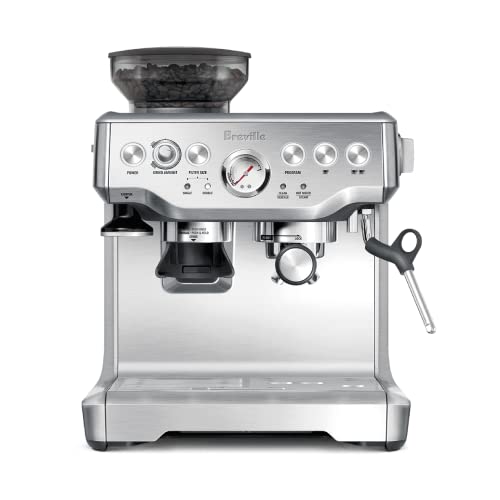
- The Breville Barista Express delivers third wave specialty coffee at…
- DOSE CONTROL GRINDING: Integrated precision conical burr grinder…
- OPTIMAL WATER PRESSURE: Low pressure pre-infusion gradually increases…
- Receive 2 free bags of specialty coffee when you purchase and register…

- 𝐎𝐩𝐭𝐢𝐦𝐚𝐥 𝐅𝐥𝐚𝐯𝐨𝐫…
- 𝐏𝐨𝐰𝐞𝐫𝐟𝐮𝐥 𝐒𝐭𝐞𝐚𝐦…
- 𝐂𝐨𝐦𝐩𝐚𝐜𝐭 & 𝐃𝐮𝐫𝐚𝐛𝐥𝐞 – This…
- 𝐄𝐚𝐬𝐞 𝐨𝐟 𝐔𝐬𝐞 – The intuitive controls and…
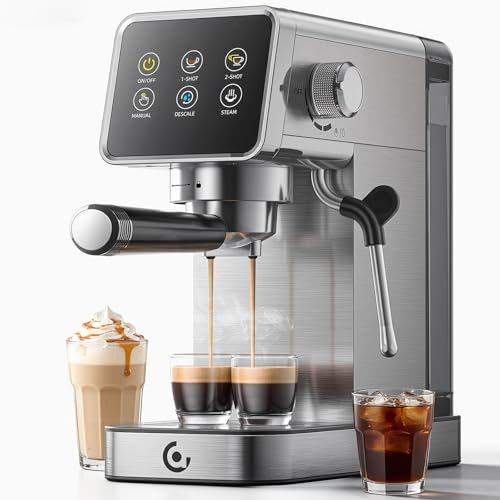
- INTUITIVE ESPRESSO MAKER WITH TOUCHSCREEN & SELF-CLEAN: This espresso…
- 20 BAR PRESSURE FOR PRO COFFEE: Equip your kitchen with a true…
- 1350W FAST HEATING: The powerful 1350W system preheats this espresso…
- MILK FROTHER FOR CAFÉ DRINKS: Create microfoam for lattes and…
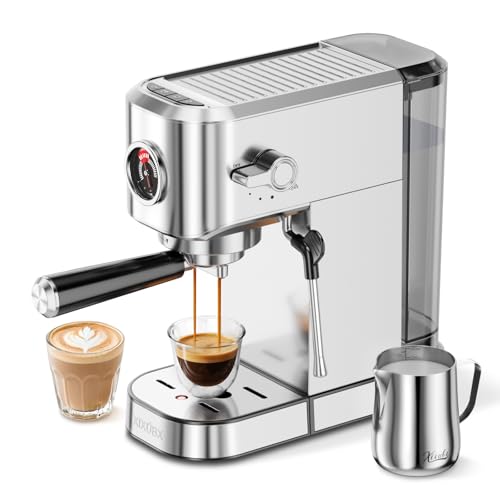
- Make Your Favorite Espresso Coffee: XIXUBX semi automatic espresso…
- Professional 20bar Pressure System: 20bar pressure allows the coffee…
- Instant Heating Technology: Unlike most boiler machines on the market,…
- Quiet Brewing & Custom Coffee Volume: With a low noise brewing system…

- Make Your Favorite Espresso Coffee At Home: The CASABREWS coffee…
- Professional 20 Bar Pressure System: Semi-Automatic 2-in-1 Espresso…
- Milk Frothing System: Our espresso machine with milk frother has a…
- Compact, Stylish & Practical: The beautiful and compact design makes…
Costly Components
Espresso machines demand high-quality parts to ensure perfect coffee every time. These costly components make machines reliable and long-lasting. Each element plays a key role in delivering the right pressure and temperature. This precision affects the flavor and texture of the espresso shot.
Precision Engineering
Espresso machines need exact control of water pressure and temperature. Small errors can ruin the coffee. Engineers design parts with tight tolerances to keep everything stable. This level of precision requires skilled labor and advanced tools. Such careful engineering raises production costs.
Durable Materials
Manufacturers use strong metals like stainless steel and brass. These materials resist corrosion and heat over time. Plastic parts wear out quickly and affect taste. Heavy-duty metals ensure the machine lasts years without breaking. Durable components cost more but save money in the long run.
Advanced Technology
Modern espresso machines include digital controls and sensors. These features help maintain ideal brewing conditions. Some machines have built-in grinders and steam wands. Technology improves consistency and ease of use. Developing and integrating these systems adds to the machine’s price.
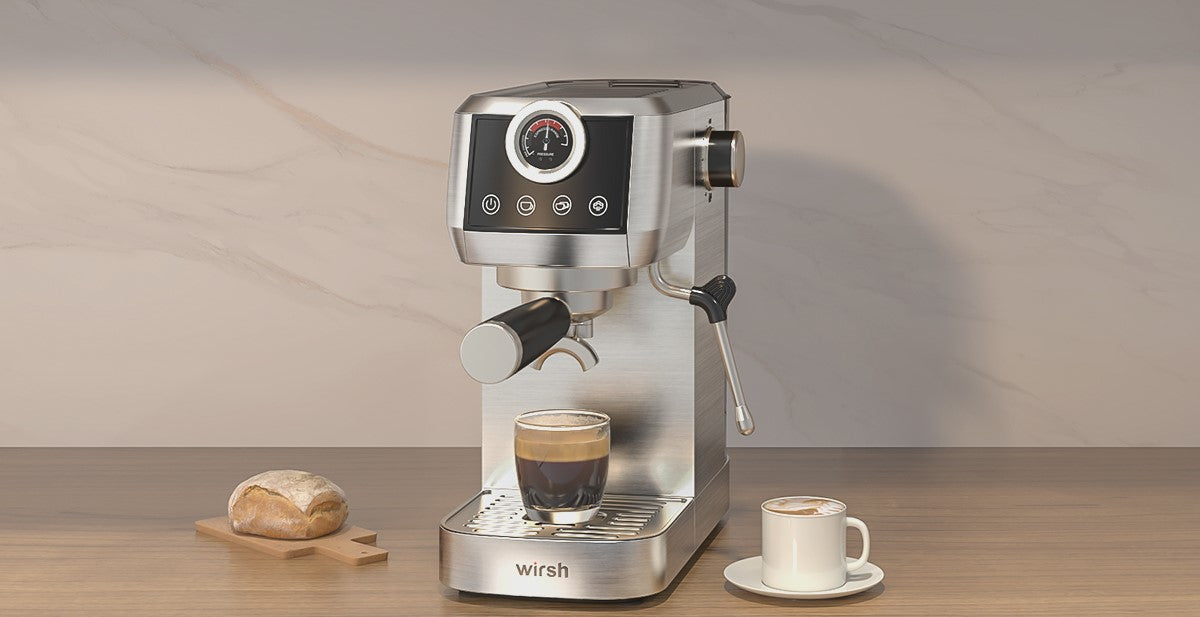
Credit: mywirsh.com
Research And Development
Research and development play a major role in the high cost of espresso machines. Manufacturers invest time and money to create machines that deliver consistent, high-quality espresso. This process involves testing, refining, and improving every part of the machine. The goal is to meet the needs of both home users and busy coffee shops.
Innovation In Features
Espresso machines often include advanced features that improve the brewing experience. Developers work on temperature control systems to keep water at the perfect heat. Pressure systems are designed to extract rich flavors from coffee grounds. Some machines have built-in grinders or touchscreen controls. These innovations require careful design and testing, which add to the cost.
Quality Control
Quality control ensures every machine works well before it reaches customers. Each part is checked for durability and performance. Machines undergo strict testing to avoid defects or malfunctions. This process reduces the chance of repairs and extends the machine’s life. High standards in quality control raise production costs but result in reliable machines that last longer.
Commercial Grade Build
Commercial grade espresso machines stand apart due to their robust construction. These machines are designed for intense daily use in busy cafes and restaurants. Their build quality ensures they meet professional demands without frequent breakdowns.
Heavy-duty Design
Commercial espresso machines feature heavy-duty parts made from stainless steel and brass. These materials resist corrosion and wear. The machines have strong frames that support high-pressure systems. This design withstands constant use and prevents damage over time. Heavy-duty components also help maintain consistent temperature and pressure, which are crucial for quality espresso.
Longevity And Reliability
These machines are built to last many years with proper care. Their reliable construction minimizes the need for repairs and replacements. This longevity justifies their higher price compared to home models. Businesses rely on their machines every day, so durability is essential. The commercial grade build ensures the machine performs well under stress, giving steady results shot after shot.

Credit: www.youtube.com
Skilled Labor
Skilled labor plays a big role in the cost of espresso machines. These machines are not simple devices. They need expert hands to operate and maintain them. The skill level required adds to their price. This section explains why skilled labor matters.
Barista Training
Learning to use an espresso machine takes time and effort. Baristas undergo special training. They learn how to adjust grind size, pressure, and temperature. This training is often long and detailed. Well-trained baristas make better espresso. Their expertise ensures the machine works at its best. This skill raises the overall cost of espresso machines.
Attention To Extraction Details
Making espresso is a precise process. Each shot needs careful control of temperature and pressure. Baristas watch these factors closely. They adjust the machine to get perfect extraction. Small changes affect taste greatly. This attention to detail requires skill and experience. It adds to the value and price of espresso machines.
Raw Material Usage
Raw material usage plays a big role in why espresso machines are costly. The amount and quality of coffee beans directly affect the brewing process. Espresso requires more coffee grounds than regular coffee. The machines are designed to handle this extra demand efficiently. This need for more raw materials impacts the overall expense of owning and running an espresso machine.
Higher Coffee Bean Consumption
Espresso machines use a larger amount of coffee beans per shot. Unlike drip coffee, espresso is made with finely ground beans packed tightly. This packing means more beans are needed to get a strong flavor. The higher consumption of coffee beans adds to the cost of making espresso. Using premium beans for better taste increases the expense further.
Concentrated Espresso Shots
Espresso shots are highly concentrated coffee servings. They require precision in the amount of coffee used to produce rich flavor and crema. This concentration means each shot uses a dense coffee amount, not watered down like other coffee types. The focus on quality and strength demands more raw materials per serving. The concentrated nature of espresso raises the cost of ingredients and the machine’s design to support this.
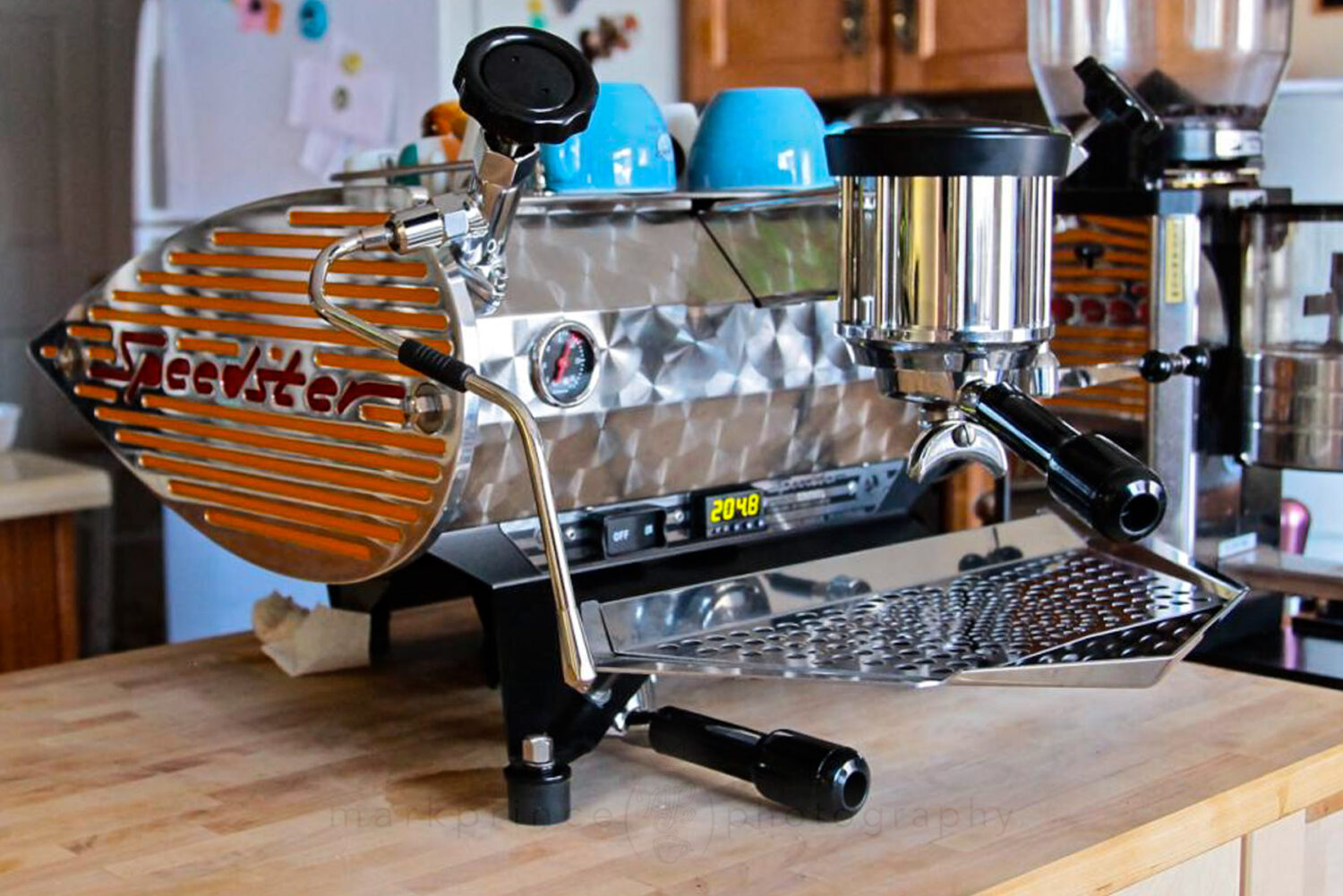
Credit: coffeegeek.com
Market Influences
The price of espresso machines is shaped by various market factors. These factors influence how brands set costs and how customers perceive value. Understanding these market influences helps explain why espresso machines often come with a high price tag.
Perceived Premium Value
Consumers often see espresso machines as high-end products. This perception raises their market value. People expect quality and durability in these machines. Brands use this expectation to justify higher prices. The idea of owning a “premium” machine appeals to many buyers. It creates a sense of exclusivity and satisfaction.
Luxury Product Positioning
Many espresso machines are marketed as luxury items. This positioning targets buyers who want more than just a coffee maker. The design, materials, and brand reputation add to their luxury feel. Luxury positioning allows companies to charge more. It also sets these machines apart from regular coffee makers.
Hidden Operational Costs
Espresso machines often come with hidden costs beyond the initial price tag. These ongoing expenses add up over time. They can make owning an espresso machine more expensive than expected. Understanding these costs helps explain why espresso machines are costly overall.
Maintenance And Repairs
Espresso machines need regular maintenance to work well. Cleaning parts, replacing seals, and descaling prevent damage. Skipping maintenance leads to costly repairs later. Repairing high-end machines requires expert technicians. Their work can be expensive due to complex parts. Maintenance keeps the machine running smoothly and extends its life.
Energy Consumption
Espresso machines use a lot of electricity. They heat water to very high temperatures quickly. This process requires energy every time you make coffee. Machines with advanced features often consume more power. High energy use adds to monthly utility bills. Energy-efficient models can reduce costs but usually cost more upfront.
Frequently Asked Questions
Why Are Expensive Espresso Machines Better?
Expensive espresso machines use high-quality materials and precise engineering for consistent pressure and temperature. They last longer and deliver superior coffee flavor and durability.
Why Is Espresso So Expensive Now?
Espresso costs more due to pricey, precise machines, skilled baristas, higher coffee bean use, and careful brewing techniques.
What Is So Special About An Espresso Machine?
An espresso machine delivers high-pressure water through finely ground coffee for rich, concentrated flavor and crema. It ensures precise temperature and pressure control, enhancing taste and texture. Durable materials and advanced technology provide consistent, café-quality espresso shots quickly and efficiently.
What Is The 30 Second Rule For Espresso?
The 30-second rule for espresso means brewing a shot within 25-30 seconds. This ensures balanced flavor and optimal extraction. Brewing too fast or slow can cause sour or bitter taste, affecting quality. Consistent timing helps achieve the perfect espresso shot every time.
Conclusion
Espresso machines cost more because they use quality parts and precise engineering. Skilled baristas spend years learning to make perfect espresso. The process needs exact temperature and pressure control. More coffee grounds go into each shot compared to drip coffee.
These machines also last longer under heavy use. People expect a great taste and are willing to pay for it. Buying an espresso machine is an investment in flavor and durability. This explains why prices are higher than regular coffee makers.

Hi, this is Cynthia A. Rose. Welcome to my Grinder related blog. Usually, I am busy with my kitchen and cooking all day. My main desire is to create a new recipe every day. But I have to use new tools every day to create new recipes. In this blog, I will share you how to use kitchen tools properly. I will not just share cooking related equipment, I will try to review all kinds of grinders like angle grinder among you. I hope my 12 years of experience will come in handy. Thanks!
Related posts:
 What to Know About the Grinder Plate When Making Hamburger?


