When it comes to your daily cup of coffee, you want more than just great taste—you want peace of mind about what goes into your brew. Did you know that some coffee makers contain BPA, a chemical that could affect your health?
If you’re wondering which coffee makers are truly BPA free, you’re in the right place. This guide will help you find safe, reliable coffee machines that protect your health without sacrificing flavor. Keep reading to discover top BPA-free options and what to watch for when choosing your next coffee maker.
Your perfect, worry-free cup of coffee is closer than you think!
You May Like

- ADJUSTABLE CARAFE TEMP: Our Cuisinart 14-Cup* Coffee Maker with…
- BREW STRENGTH CONTROL: This coffee maker customizes your brew to…
- FULLY AUTOMATIC COFFEE MAKER: The coffee machine offers convenience…
- 14-CUP* CAPACITY: *Cup equals approx. 5 oz. (varies by brewing…

- 12-CUP DURALIFE GLASS CARAFE: The sturdy 12-cup* carafe has…
- SNEAK-A-CUP FEATURE TO PREVENT DRIPS: This feature temporarily stops…
- EASY-VIEW WATER WINDOW: The front-facing window shows you the exact…
- DIGITAL CONTROLS WITH RUBBERIZED FEEL: Large, rubberized buttons give…
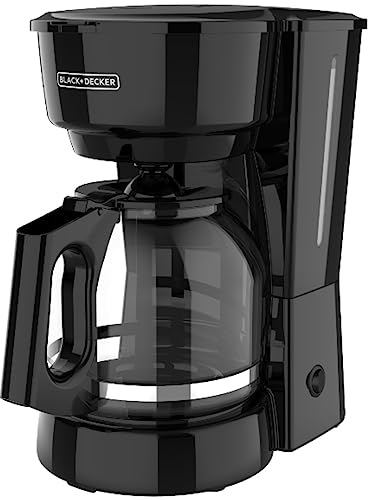
- VORTEX TECHNOLOGY: The exclusive showerhead design evenly saturates…
- SNEAK-A-CUP: This feature temporarily stops the flow of coffee,…
- NO-DRIP PERFECT POUR SPOUT: Don’t put up with annoying spills. The…
- REMOVABLE FILTER BASKET: Cleanup is easy with the dishwasher-safe brew…
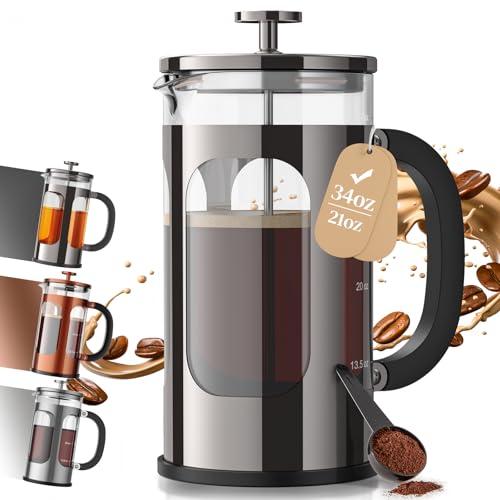
- No Plastic Touching Food: Made with 304 stainless steel and food-grade…
- Thickened Glass and Versatile Brewing: Made of high borosilicate glass…
- 4-Level Filtration for Pure Coffee: This French press has a 4-layer…
- Easy to Clean: Designed for hassle-free cleanup, the glass carafe…
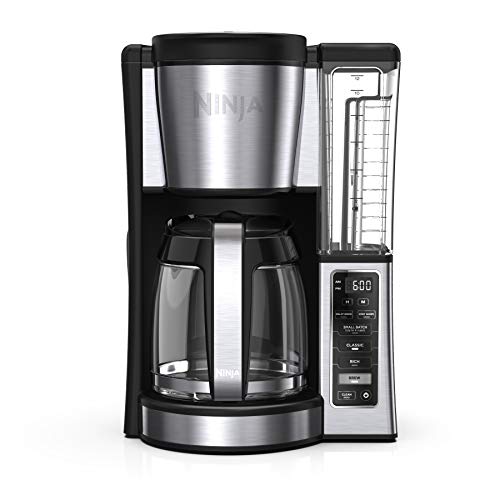
- 2 BREW STYLES: Classic or Rich, each brew is flavorful and never…
- 12-CUP GLASS CARAFE: Brew small or large batches of coffee – perfect…
- HOTTER BREWING TECHNOLOGY: Delivers even saturation and temperature…
- SMALL BATCH FUNCTION: Ensure your coffee is never diluted when brewing…
Bpa And Coffee Makers
Coffee makers are common in many homes. People want fresh coffee daily. Safety is important when choosing a coffee maker. One concern is the presence of BPA in these machines. BPA can affect health. Knowing about BPA and coffee makers helps buyers make smart choices.
What Is Bpa?
BPA stands for Bisphenol A. It is a chemical used in making plastics. Many containers and products contain BPA. It helps make plastics hard and clear. Some plastics with BPA can release the chemical into food or drinks. BPA can act like hormones in the body. This may cause health problems over time.
Why Bpa Matters In Coffee Makers
Coffee makers have plastic parts that touch water and coffee. If these parts contain BPA, the chemical may leach into the coffee. Drinking BPA can increase health risks. People worry about BPA causing hormone disruption. BPA exposure may affect the brain, heart, and other organs. Choosing BPA-free coffee makers helps avoid these risks. It keeps your daily coffee safer and healthier.
Materials Used In Safe Coffee Makers
Choosing a coffee maker made from safe materials is important for health and taste. Many coffee makers contain plastics that may have BPA, a chemical that can leach into coffee. To avoid this, look for coffee makers with materials that do not release harmful chemicals. Safe coffee makers use glass, stainless steel, and certified BPA-free plastics. Some models also offer manual brewing methods that reduce plastic use.
Glass And Stainless Steel Components
Glass and stainless steel are popular in safe coffee makers. Both materials do not contain BPA or other harmful chemicals. Glass offers a pure taste and does not alter coffee flavor. Stainless steel is durable and easy to clean. Many high-quality coffee makers use these materials for the water reservoir and carafe. This ensures the coffee stays fresh and free from plastic taste.
Certified Bpa-free Plastics
Some coffee makers use plastic parts but only if they are certified BPA-free. These plastics do not release bisphenol A, making them safer for brewing coffee. Look for coffee makers that clearly state BPA-free certification. These plastics are often used in water tanks and lids. Choosing certified BPA-free plastics reduces health risks without sacrificing convenience.
Manual Brewing Options
Manual coffee makers are another safe choice. They often use fewer plastic parts or none at all. Examples include pour-over brewers, French presses, and AeroPress. These devices mainly use glass, stainless steel, or BPA-free materials. Manual brewing lets you control the process and avoid chemical exposure. They are simple, affordable, and popular among health-conscious coffee lovers.
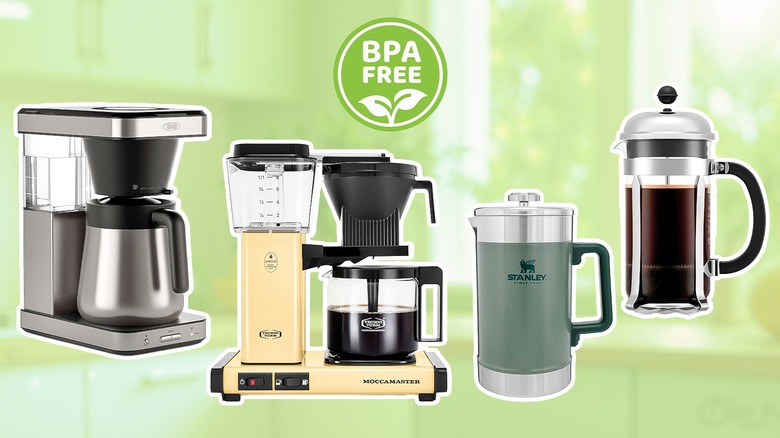
Top Bpa-free Coffee Maker Brands
Choosing a BPA-free coffee maker ensures your daily brew stays safe and healthy. Many brands now offer models that avoid harmful plastics in contact with water and coffee. Here are some top coffee maker brands known for being BPA free.
These brands focus on quality materials and safe designs. They use glass, stainless steel, or BPA-free plastics to protect your health. Each offers unique brewing styles to suit different tastes.
Moccamaster
Moccamaster coffee makers use BPA-free plastics in all parts touching water. Their durable build includes metal and glass components. The brand is famous for consistent brewing temperature and excellent coffee taste. It combines safety with professional-level performance.
Oxo
OXO designs its coffee makers with BPA-free materials. The water reservoirs and coffee baskets avoid harmful plastics. Their machines are user-friendly and easy to clean. OXO offers a reliable brewing experience without compromising health.
Chemex
Chemex coffee makers are made from glass and wood, with no plastic parts touching your coffee. This classic pour-over style ensures pure flavor and safety. Chemex is perfect for those who prefer manual brewing without BPA risks.
Aeropress
AeroPress uses BPA-free plastic in its compact coffee maker. It brews quickly and produces smooth coffee. The simple design makes it popular for travel and home use. AeroPress offers a safe and fast way to enjoy coffee.
Bodum
Bodum offers several BPA-free coffee makers, including French presses and pour-over models. They use glass and stainless steel components to avoid plastic contact. Bodum’s designs are stylish and focus on pure coffee taste.
Credit: www.tastingtable.com
Popular Bpa-free Coffee Maker Models
Choosing a BPA-free coffee maker is important for health and taste. Many popular models now avoid BPA in parts that touch your coffee. These coffee makers offer safe brewing without harmful chemicals. They come in various styles and prices to fit different needs.
Aarke Drip Coffee Maker
The Aarke Drip Coffee Maker uses stainless steel and glass. No plastic parts touch the coffee or water. It brews rich coffee with a clean taste. The design is sleek and modern, perfect for any kitchen.
Melitta Porcelain Pour-over
Melitta’s porcelain pour-over coffee maker is simple and safe. Porcelain is naturally BPA-free and does not affect flavor. You control the brewing speed and strength by pouring water slowly. It is easy to clean and very durable.
Aeropress Premium
The Aeropress Premium is made with BPA-free materials. It uses air pressure to brew smooth coffee fast. This coffee maker is lightweight and portable. Ideal for travel or small kitchens, it is also easy to use.
Bialetti Venus Moka Pot
Bialetti Venus is a stainless steel moka pot without BPA. It brews strong, espresso-like coffee on the stovetop. Its classic design is sturdy and long-lasting. This pot is perfect for those who like bold coffee flavors.
Zojirushi Zutto Coffee Maker
Zojirushi Zutto uses BPA-free materials in all coffee contact parts. It offers simple drip brewing with consistent results. The compact size fits well in small spaces. This coffee maker is easy to use and clean.
Bpa-free Features In Major Brands
Many top coffee maker brands now focus on BPA-free features. This ensures safer brewing and healthier coffee. Consumers prefer machines with no harmful chemicals in their parts. BPA-free materials prevent toxins from leaching into coffee. Major brands like Cuisinart, Keurig, and Breville highlight their BPA safety to attract health-conscious buyers.
Cuisinart’s Bpa-free Parts
Cuisinart uses BPA-free plastics in all water-contact parts. This includes water reservoirs and coffee baskets. Their coffee makers meet strict safety standards for food contact. Cuisinart clearly labels models with BPA-free features. This helps buyers choose safer products. The brand’s focus on BPA-free parts reduces health risks. Many models also use stainless steel to avoid plastics.
Keurig’s Bpa-free Materials
Keurig coffee makers feature BPA-free water reservoirs and lids. This change came after customer demand for safer machines. Keurig uses high-quality plastics that resist heat and leaching. Their K-Cup holders and drip trays also avoid BPA. Keurig regularly tests its products for chemical safety. The company shares information about BPA-free parts openly. This builds trust with users who want safe coffee.
Breville And Bpa Safety
Breville designs coffee makers with BPA-free plastic parts in contact with water. Their machines often combine BPA-free plastics and stainless steel. Breville ensures no BPA leaches during brewing or heating. The brand emphasizes product durability and safety. Breville’s BPA-free features align with their premium coffee maker image. Many users appreciate knowing their coffee comes from safer materials.
Health Considerations Beyond Bpa
Choosing a BPA-free coffee maker is just one part of keeping your coffee safe and healthy. Other health factors matter too. Chemicals from plastics and pods, and water temperature all affect your daily brew. Knowing these can help you enjoy coffee without worry.
Potential Chemical Leaching
Some plastics release chemicals when heated. This process is called leaching. These chemicals can mix with your coffee. Long-term exposure may harm your health. Look for coffee makers made with safe materials like glass or stainless steel. Avoid plastics that are not labeled BPA-free.
Microplastics In Single-serve Pods
Single-serve pods often contain plastic layers. Tiny plastic particles can break off during brewing. These microplastics enter your coffee cup. The health effects of microplastics are still studied. Using reusable or biodegradable pods can reduce this risk. Choose coffee makers that support these options.
Safe Water Temperature Practices
Water temperature affects flavor and safety. Too hot water can increase chemical leaching from plastics. Ideal brewing temperature is between 195°F and 205°F. Many coffee makers have built-in temperature control. Use these settings to avoid overheating. Proper temperature also ensures the best coffee taste.
Budget-friendly Bpa-free Coffee Makers
Choosing a budget-friendly BPA-free coffee maker helps protect your health without breaking the bank. Many affordable models now come without harmful plastics. These options make safe brewing easy for every coffee lover. From simple manual brewers to basic electric machines, you can enjoy fresh coffee safely.
Affordable Manual Options
Manual coffee makers often use glass or stainless steel parts. These materials do not contain BPA. Pour-over brewers and French presses are popular choices. They offer control over brewing and easy cleaning. Manual options cost less and last long. They also do not need electricity, saving energy and money.
Entry-level Electric Models
Entry-level electric coffee makers can be BPA free too. Brands offer models with BPA-free water tanks and coffee baskets. These machines are simple to use and affordable. They provide quick brewing for busy mornings. Many come with removable parts for easy washing. This keeps your coffee safe and fresh every time.
Sustainable And Non-toxic Brewing Choices
Choosing a coffee maker that is both sustainable and non-toxic benefits your health and the planet. BPA-free coffee makers avoid harmful chemicals that can leach into your drink. Sustainability means using materials and designs that reduce waste and environmental impact. This section explores eco-friendly materials and reusable filters for safer, greener coffee brewing.
Eco-friendly Materials
Coffee makers made with glass, stainless steel, or ceramic offer safe brewing options. These materials do not contain BPA or other toxic chemicals. Glass carafes avoid plastic contact with hot coffee, keeping flavors pure. Stainless steel parts last longer and resist rust. Ceramic components provide natural heat retention without chemicals. Choosing these materials supports both health and the environment.
Reusable Filters And Pods
Reusable filters reduce single-use waste and cut costs. Metal or cloth filters fit many coffee machines and avoid plastic exposure. Refillable pods work with popular single-serve brewers, allowing you to use your own coffee grounds. These options prevent plastic waste and eliminate BPA risks from disposable pods. Reusable filters and pods create less trash and safer coffee every day.
Frequently Asked Questions
What Is The Safest Non-toxic Coffee Maker?
The safest non-toxic coffee makers use BPA-free, food-grade materials like glass or stainless steel. Popular options include the Aarke Drip Coffee Maker and Melitta Porcelain Pour-Over. These models avoid harmful chemicals, ensuring pure, safe coffee brewing.
Is All Cuisinart Bpa Free?
Yes, all Cuisinart coffee makers have BPA-free parts that contact water and coffee, ensuring safe brewing.
Is Keurig Bpa Free?
Yes, Keurig K-Cup pods and internal water paths are BPA-free. They use FDA-approved, food-grade materials to ensure safety.
Do Keurig Machines Leach Plastic?
Keurig machines use BPA-free, FDA-approved plastics designed to prevent leaching. Some studies suggest minimal microplastic release, but risks remain low.
Conclusion
Choosing a BPA-free coffee maker helps protect your health. Many trusted brands now offer safe, BPA-free options. Look for coffee makers made with glass or stainless steel parts. These materials do not release harmful chemicals. Always check product details before buying to ensure safety.
Enjoy your coffee with peace of mind and great taste. Drinking coffee should be safe and simple for everyone. Keep these tips in mind for a healthier coffee routine.

Hi, this is Cynthia A. Rose. Welcome to my Grinder related blog. Usually, I am busy with my kitchen and cooking all day. My main desire is to create a new recipe every day. But I have to use new tools every day to create new recipes. In this blog, I will share you how to use kitchen tools properly. I will not just share cooking related equipment, I will try to review all kinds of grinders like angle grinder among you. I hope my 12 years of experience will come in handy. Thanks!