
Have you ever wondered why some coffee tastes so different—so much richer and more vibrant—than the usual cup you grab on the go? That’s where third wave specialty coffee comes in.
It’s not just about drinking coffee; it’s about truly experiencing it. Imagine savoring each sip, knowing exactly where the beans came from, how they were grown, and roasted just enough to bring out unique flavors. If you care about quality, craftsmanship, and the story behind your brew, understanding third wave coffee will change the way you enjoy your daily cup.
Keep reading, and you’ll discover how this movement is transforming coffee from a simple routine into a flavorful adventure you won’t want to miss.
You May Like

- PRODUCES 12 GALLONS- Each package is packed with value offering the…
- MINERALLY ENHANCED- After research and much trial and error we’ve…
- SCIENTIFIC FLAVOR- Our blend of minerals has allowed us to enhance the…
- AS SEEN ON SHARK TANK – Find out why 5 out of 5 Sharks prefered Third…
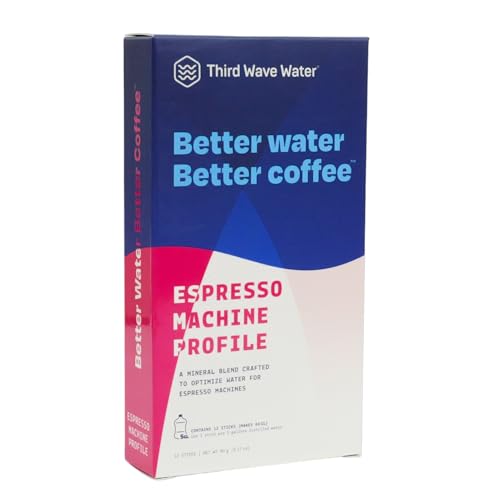
- Five(5) Gallon Sticks, Makes 60 Gallons
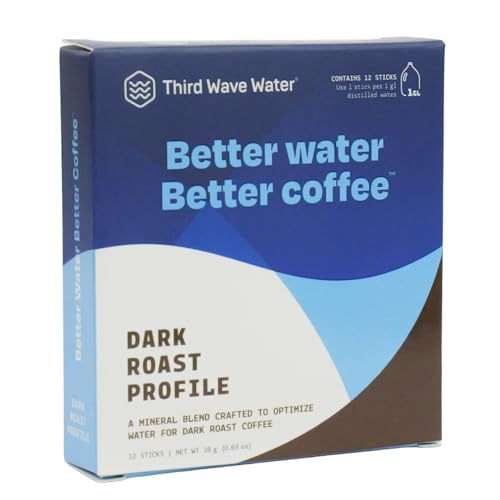
- LOWER THE ACIDITY – Dark Roast Low Acid Profile will lower the acidity…
- PROTECT YOUR EQUIPMENT – With no termorary hardness, Third Wave Water…
- HIGHLIGHT FLAVORS – Bring out the best flavors of your dark roast…
- Dark Roast Coffee Profile – The minerals in our patented blend are…
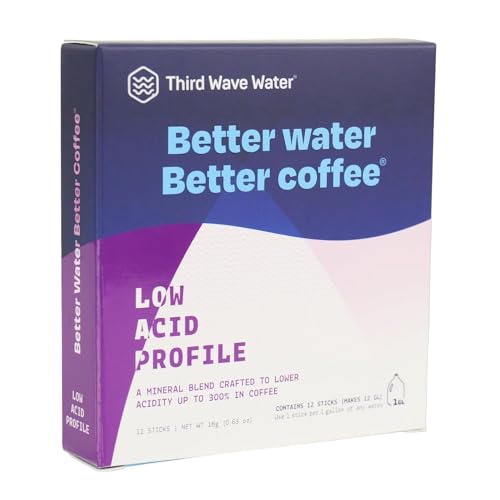
- Low Acid Coffee – Enjoy your favorite coffee and reduce the discomfort…
- K-Cups Compatible – You can use our product with your favorite low…
- Versatile – You can also use our sticks with low acid coffee beans and…
- Easy to Use – Each stick is pre-measured for a 1-gallon jug of water….
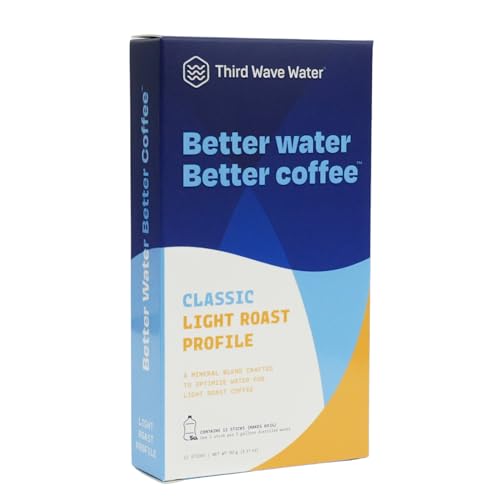
- PRODUCES 60 GALLONS- Each package is packed with value offering the…
- MINERALLY ENHANCED- After research and much trial and error we’ve…
- Our blend of minerals has allowed us to enhance the flavor profile of…
- AS SEEN ON SHARK TANK – Find out why 5 out of 5 Sharks prefered Third…
Credit: methodicalcoffee.com
Coffee Waves Timeline
The story of coffee can be told in waves. Each wave marks a change in how people make and enjoy coffee. These waves show how coffee culture has grown over time. From simple brewing to celebrating unique flavors, the timeline reveals a rich history. Understanding this timeline helps explain the rise of third wave specialty coffee.
First Wave Coffee Basics
The first wave began in the early 1900s. Coffee became a household staple. Companies focused on mass production and convenience. The goal was to make coffee easy and quick. Brands like Folgers and Maxwell House dominated. Flavor was not the main concern. Coffee was seen as a daily, simple drink. It was mostly dark roasted and ground for instant or drip brewing.
Rise Of Second Wave Cafes
The second wave started in the 1960s and 70s. This wave introduced coffee shops and espresso drinks. Starbucks is a key example. Coffee became a social experience. People enjoyed lattes, cappuccinos, and flavored drinks. The focus shifted to the coffee shop atmosphere. However, the beans were often roasted dark to hide defects. Coffee quality improved but was still not the main focus.
Emergence Of Third Wave
The third wave began in the early 2000s. It treats coffee as an artisanal product. Every step, from farm to cup, matters. Light roasts highlight the bean’s unique flavors. Single-origin beans are common. Direct trade with farmers supports ethics and quality. Brewing methods like pour-over and siphon are popular. Coffee lovers seek transparency and craft. This wave values taste, story, and connection to coffee origins.
Artisan Coffee Approach
The artisan coffee approach is at the heart of third wave specialty coffee. It treats coffee as a handcrafted product, not just a quick drink. Every step, from bean selection to brewing, is done with care and skill. This approach values the unique qualities of each coffee bean and highlights its natural flavors. It creates a deeper connection between the coffee maker and the drinker.
Coffee As Craft
Coffee is more than a beverage. It is a craft that requires knowledge and passion. Farmers, roasters, and baristas work closely to bring out the best in each bean. The process involves selecting high-quality beans, roasting them precisely, and brewing carefully. Each cup tells a story about its origin and the people behind it. This craft focuses on skill and attention to detail.
Focus On Quality And Flavor
Quality matters most in the artisan coffee approach. Beans come from specific farms or regions known for their unique flavors. Roasting is light to keep these flavors fresh and clear. The goal is to highlight natural tastes, like fruit, floral, or nutty notes. Brewing methods like pour-over or siphon bring out subtle flavor layers. Every sip is a chance to experience coffee’s full complexity.
Single Origin Beans
Single origin beans form the heart of third wave specialty coffee. These beans come from one specific place, farm, or region. This focus allows drinkers to taste unique qualities tied to the beans’ exact origin. The coffee’s story becomes clearer, linking flavor directly to its source. Single origin highlights the distinctiveness in every cup.
Importance Of Terroir
Terroir means the environment where coffee grows. It includes soil, climate, altitude, and weather. These factors shape the coffee’s flavor and aroma. Each farm or region offers a different terroir. This variety creates unique taste profiles. Third wave coffee values terroir to honor nature’s role in coffee’s character.
Highlighting Regional Flavors
Single origin beans reveal special tastes from specific areas. For example, beans from Ethiopia often have fruity and floral notes. Beans from Colombia might taste nutty and sweet. These flavors tell the story of the region’s soil and climate. Third wave coffee encourages exploring these differences. Each cup becomes a journey through the world’s coffee regions.
Light Roasting Technique
The light roasting technique is a key part of third wave specialty coffee. It involves roasting coffee beans for a shorter time at lower temperatures. This method keeps the beans’ natural flavors intact. The goal is to bring out unique tastes from each coffee variety. Light roasting allows drinkers to enjoy delicate fruity, floral, and bright notes. It highlights the coffee’s origin and character rather than the roast itself.
Preserving Natural Tastes
Light roasting preserves the original flavors of the coffee bean. It stops the beans from developing strong roasted or burnt notes. This way, the subtle hints of fruit, flowers, or nuts stay clear. The acidity and sweetness come forward, making the coffee more vibrant. Each bean’s story shines through, reflecting where it was grown. This technique respects the bean’s natural qualities and the farmer’s work.
Difference From Dark Roasts
Dark roasts are roasted longer and at higher temperatures. This process creates bold, smoky, and bitter flavors. It often masks the bean’s natural taste. Dark roasts have a heavier body and less acidity. In contrast, light roasts keep the coffee lighter in body and brighter in taste. They offer complex flavor layers and a cleaner finish. Third wave coffee prefers light roasts to showcase bean diversity.
Direct Trade And Ethics
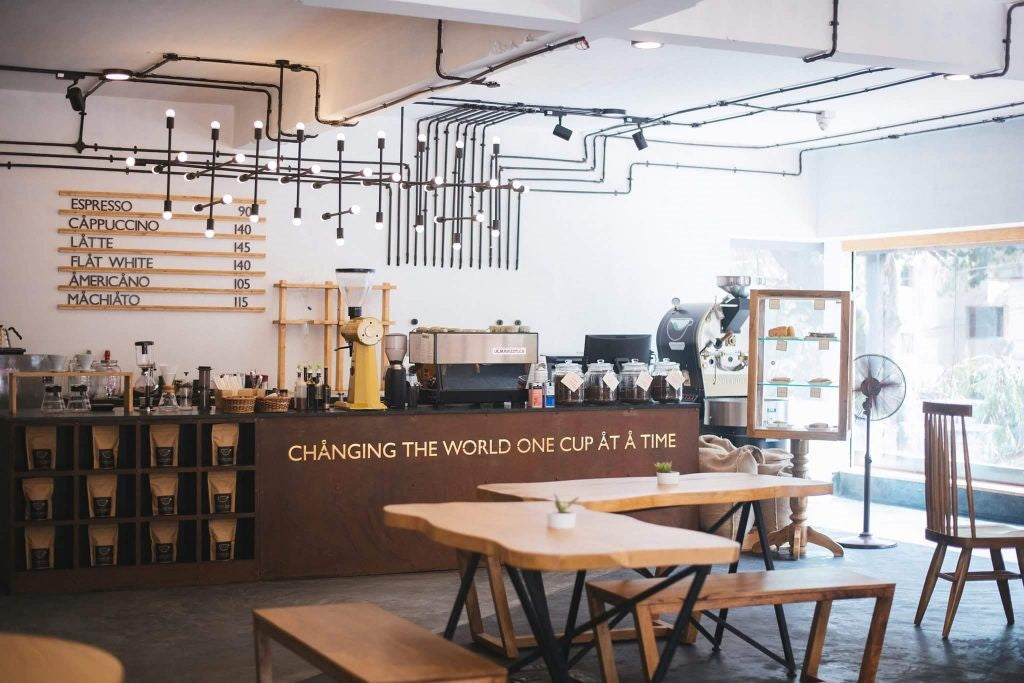
Direct trade and ethics form the heart of third wave specialty coffee. This approach changes how coffee buyers connect with farmers. It aims to create fairness and respect in the coffee supply chain. Direct trade removes middlemen, allowing buyers to work closely with coffee growers. This helps farmers earn more and improves transparency. Ethical practices ensure farmers work under good conditions and receive fair pay. These values raise the standard for the entire coffee industry.
Building Farmer Relationships
Direct trade focuses on strong, personal relationships between buyers and farmers. Buyers visit farms to see the work and conditions first-hand. They learn about farmers’ challenges and needs. This connection builds trust and loyalty. Buyers often pay higher prices for high-quality beans directly to the farmers. It encourages farmers to improve their crops and farming methods. Long-term partnerships replace quick transactions. Both sides benefit from sharing knowledge and respect.
Impact On Coffee Quality
Direct trade improves coffee quality by rewarding excellence. Farmers receive feedback and support to grow better beans. They can invest in better equipment and farming techniques. The focus on quality starts at the farm and continues through roasting and brewing. Buyers and roasters value unique flavors from specific regions or farms. This care and attention lead to a richer, more complex cup of coffee. Consumers enjoy fresher and more distinct coffee experiences.
Credit: www.haymancoffee.com
Precise Brewing Methods
Precise brewing methods define the Third Wave specialty coffee movement. Every step in brewing is controlled carefully to bring out the coffee’s true character. These methods focus on clean, balanced flavors and clarity in the cup. Brewing becomes a ritual, not just a routine. The goal is to highlight the unique traits of each coffee bean. This attention to detail makes each cup special and enjoyable.
Pour-over And Alternatives
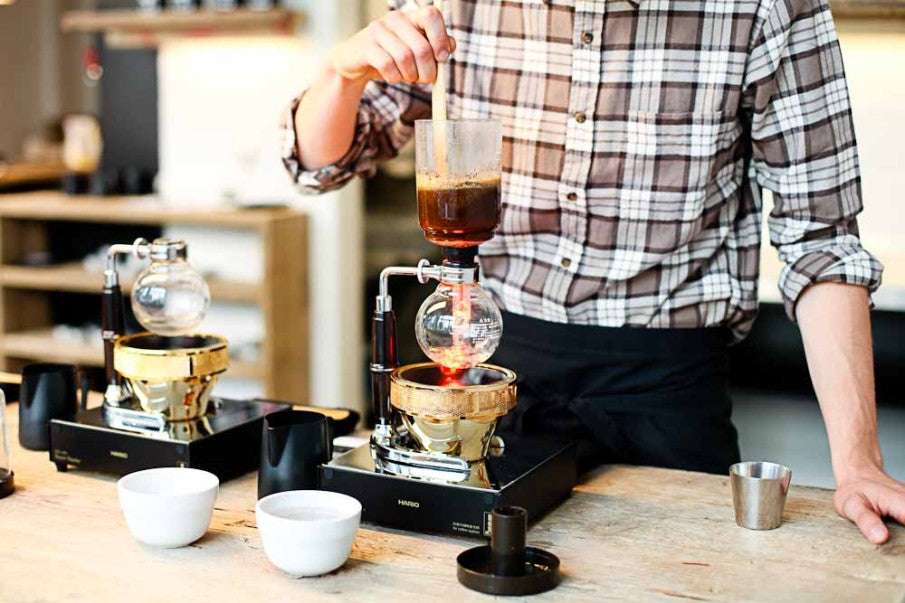
Pour-over is a popular brewing method in Third Wave coffee. It uses a cone-shaped filter and slow, steady pouring of hot water. This technique allows control over brewing time and temperature. Alternatives like Chemex, Kalita Wave, and Aeropress also emphasize precision. Each method offers a slightly different flavor profile and clarity. They all focus on extracting the coffee’s subtle notes without bitterness or over-extraction. Baristas often choose the method to match the coffee’s origin and roast.
Enhancing Flavor Nuances
Precise brewing enhances the natural flavors in specialty coffee. It highlights fruity, floral, and sweet notes unique to each bean. This careful process avoids masking delicate aromas with harsh bitterness. Temperature, grind size, and water flow rate all impact flavor extraction. Small changes in these factors reveal different layers of taste. The result is a complex, balanced cup that tells the story of its origin. This method invites drinkers to savor every sip and appreciate coffee’s diversity.
Flavor Revolution
The Flavor Revolution marks a shift in how people experience coffee. It focuses on taste, quality, and origin. Coffee is no longer just a daily habit. It has become a craft and an exploration of flavors. This change invites drinkers to appreciate coffee’s unique notes and stories.
From Mass Production To Artisanal
In the past, coffee was mass-produced for convenience. Large companies prioritized quantity over quality. The taste was often bitter and uniform. The Flavor Revolution changes this. Coffee is now treated like art. Farmers grow beans with care. Roasters highlight each bean’s unique flavor. The goal is a fresh, vibrant cup every time.
Changing Consumer Expectations
People want more than just caffeine. They seek rich, complex flavors. They ask about where coffee comes from. They want to know how it was grown and processed. This demand pushes producers to be more transparent. Direct trade with farmers is common. Consumers enjoy brewing methods that bring out unique tastes. The Flavor Revolution creates a deeper connection between drinkers and their coffee.
Credit: www.haymancoffee.com
Notable Third Wave Cafes
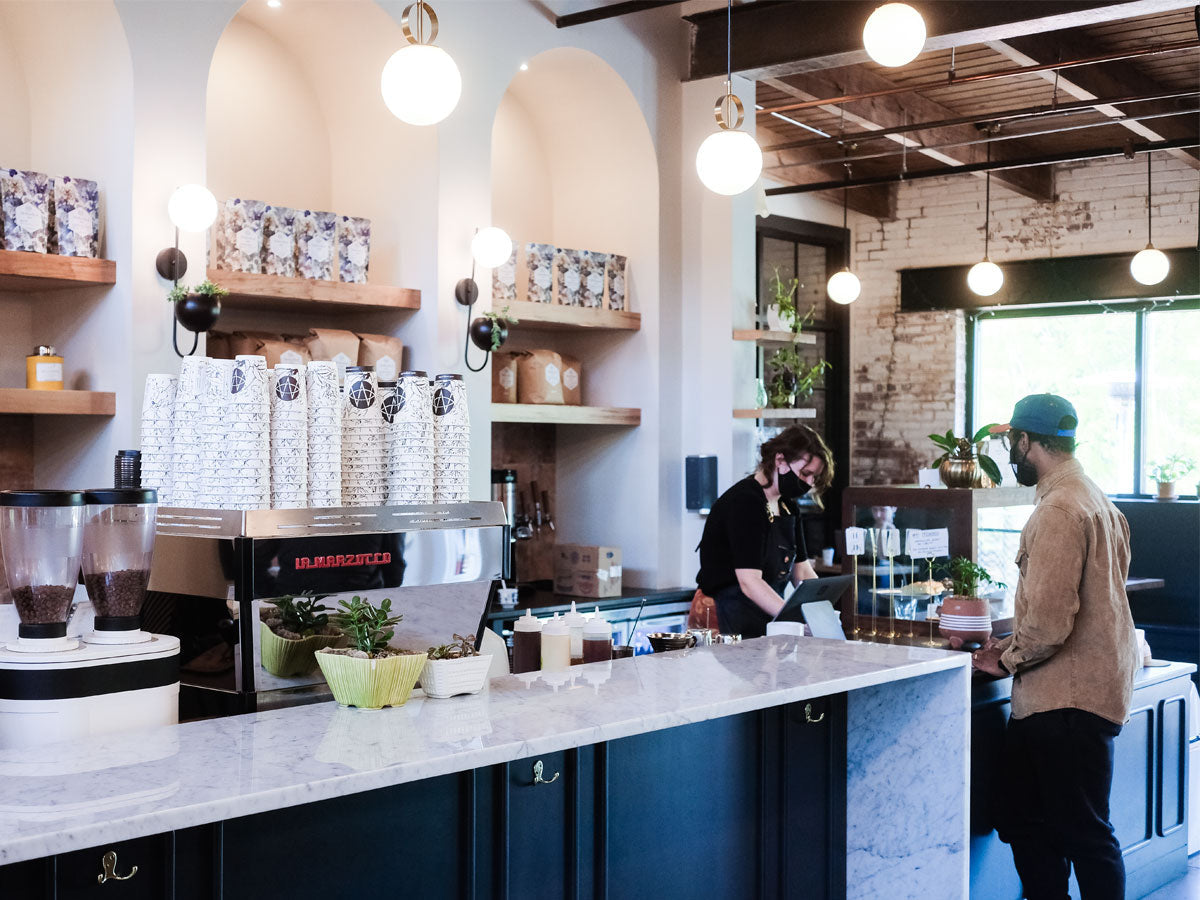
Notable third wave cafes have shaped the way people enjoy coffee today. They focus on quality, origin, and brewing techniques. These cafes treat coffee like an art form. Their influence spreads across the globe. Each cafe offers unique experiences and flavors. They bring transparency and care to every cup served.
Pioneers And Influencers
Some cafes started the third wave movement. Stumptown Coffee Roasters in Portland, Oregon is one. It introduced direct trade practices and high-quality beans. Blue Bottle Coffee from Oakland, California also helped. They emphasize freshness by serving coffee within days of roasting. Intelligentsia Coffee, based in Chicago, pushed the focus on single-origin beans and precise brewing. These pioneers changed how people view coffee. They showed respect for farmers and the craft of roasting.
Global Spread Of The Movement
The third wave movement is no longer just in the U.S. Cafes in Tokyo, Japan, like % Arabica, bring the same care to their coffee. In Melbourne, Australia, cafes such as Proud Mary highlight local and imported single origins. London’s Workshop Coffee combines education with great coffee to share knowledge. This movement grows in cities worldwide. It connects coffee lovers with farmers and roasters globally. The passion for quality and transparency travels far beyond its origins.
Frequently Asked Questions
What Is The Difference Between 1st, 2nd, And 3rd Wave Coffee?
First wave coffee is mass-produced and convenient. Second wave introduces cafe culture and espresso drinks. Third wave focuses on artisanal quality, single-origin beans, light roasting, and ethical sourcing.
Is 3rd Wave Coffee Worth The Hype?
Third wave coffee values quality, origin, and craftsmanship. It offers unique flavors through light roasting and ethical sourcing. Many find its artisanal approach worth the hype.
Is The Third Wave The Strongest?
The third wave of coffee emphasizes artisanal quality, single-origin beans, and precise brewing. It is often considered the strongest in flavor and craft.
Why Is Third Wave Coffee Named So?
Third Wave Coffee is named for the movement treating coffee as an artisanal product, focusing on quality, origin, and craft. It highlights single-origin beans, light roasting, and ethical sourcing to enhance unique flavors and transparency from farm to cup.
Conclusion
Third wave specialty coffee focuses on quality from bean to cup. It values clear origin and careful roasting. Coffee lovers enjoy unique flavors and ethical sourcing. This approach helps people connect with farmers and traditions. Each cup tells a story of craft and care.
Exploring third wave coffee deepens appreciation for this simple drink. It invites everyone to taste coffee in a new way.

Hi, this is Cynthia A. Rose. Welcome to my Grinder related blog. Usually, I am busy with my kitchen and cooking all day. My main desire is to create a new recipe every day. But I have to use new tools every day to create new recipes. In this blog, I will share you how to use kitchen tools properly. I will not just share cooking related equipment, I will try to review all kinds of grinders like angle grinder among you. I hope my 12 years of experience will come in handy. Thanks!
Related posts:
 What to Know About the Grinder Plate When Making Hamburger?


