Skip to content
Have you ever wondered why some coffee tastes so different—more vibrant, more complex—than the usual cup you grab on the go? That’s the magic of third wave coffee.
It’s not just about caffeine; it’s about experiencing coffee as a craft, where every detail matters—from the farm where the beans grow to the way your barista brews your cup. If you want to discover what makes third wave coffee special and how it can transform your daily coffee ritual, keep reading.
Your next favorite cup might just be waiting here.
You May Like

- PRODUCES 12 GALLONS- Each package is packed with value offering the…
- MINERALLY ENHANCED- After research and much trial and error we’ve…
- SCIENTIFIC FLAVOR- Our blend of minerals has allowed us to enhance the…
- AS SEEN ON SHARK TANK – Find out why 5 out of 5 Sharks prefered Third…
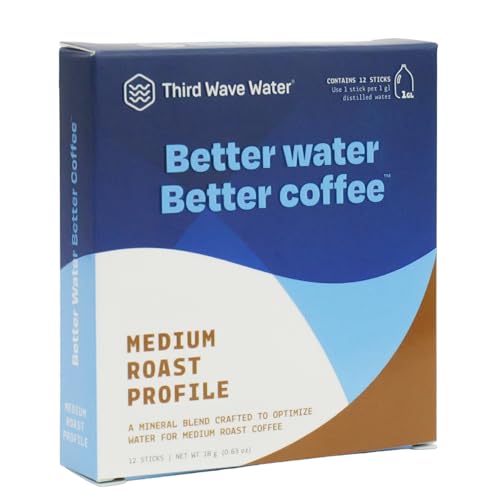
- MADE IN THE USA – Makes 12 gallons of optimal coffee brewing water for…
- MINERALLY ENHANCED- Magnesium for added sweetness and Calcium for a…
- AS SEEN ON SHARK TANK – 5 out of 5 Sharks preferred Third Wave Water…
- WORKS WITH ALL MACHINES- The perfect addition to any type of coffee…
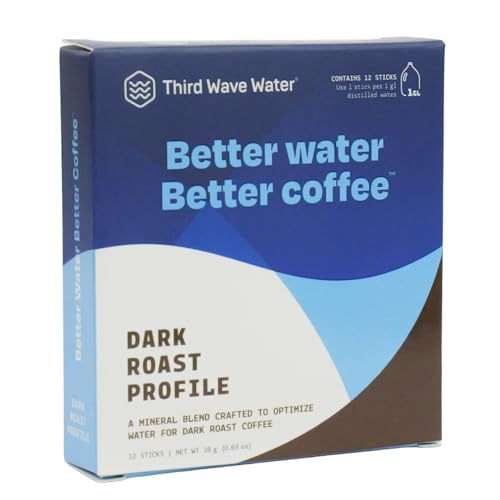
- LOWER THE ACIDITY – Dark Roast Low Acid Profile will lower the acidity…
- PROTECT YOUR EQUIPMENT – With no termorary hardness, Third Wave Water…
- HIGHLIGHT FLAVORS – Bring out the best flavors of your dark roast…
- Dark Roast Coffee Profile – The minerals in our patented blend are…
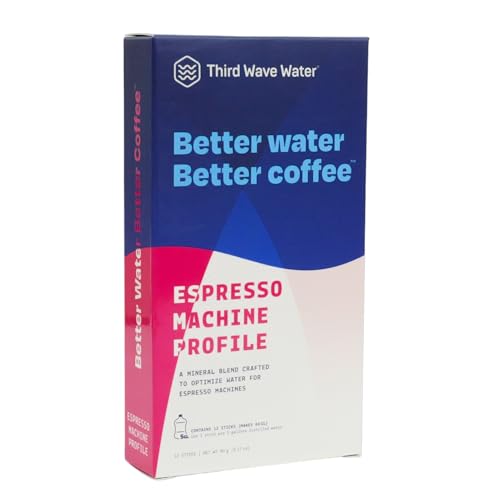
- Five(5) Gallon Sticks, Makes 60 Gallons
- Low Acid Coffee – Enjoy your favorite coffee and reduce the discomfort…
- K-Cups Compatible – You can use our product with your favorite low…
- Versatile – You can also use our sticks with low acid coffee beans and…
- Easy to Use – Each stick is pre-measured for a 1-gallon jug of water….
Coffee Waves History
The story of coffee waves shows how coffee culture changed over time. Each wave marks a new way people enjoy coffee. These waves shaped how we drink and think about coffee today.
Understanding the history helps us see why third wave coffee feels different. It grew from past ideas but focuses more on quality and craft. Below, we explore the origins of each wave.
First Wave Origins
The first wave started in the early 1900s. Coffee became a household staple. Brands like Folgers and Maxwell House made coffee easy and cheap. The focus was on mass production and convenience. People drank coffee to wake up, not for taste. The beans were often low quality and pre-ground. This wave made coffee popular but lacked flavor focus.
Second Wave Impact
The second wave began in the 1960s and 70s. Coffee shops like Starbucks appeared. They offered fresh-roasted beans and espresso drinks. Coffee became a social experience. This wave introduced better flavors and more variety. People started caring about where coffee came from. Still, many drinks were sweetened and flavored. The focus was on the cafe culture and brand identity.
Emergence Of Third Wave
The third wave started in the early 2000s. It treats coffee as an artisanal craft. Emphasis is on single-origin beans and lighter roasts. Brewing methods like pour-over highlight unique flavors. Traceability and fair trade are important. This wave values ethics, sustainability, and farmer relationships. Coffee lovers seek a pure and fresh taste. It moves beyond convenience and branding to quality and story.
Third Wave Focus
The Third Wave of coffee focuses on treating coffee as a unique craft. It values quality, origin, and the story behind each cup. This approach highlights the natural flavors of coffee beans. Enthusiasts seek transparency about how beans are grown and processed. The experience goes beyond just drinking coffee. It becomes about appreciating the art and science involved.
Artisanal Craft Approach
Third Wave coffee makers treat their work like artisans. They pay close attention to every step of production. From selecting beans to brewing, care is key. Baristas use precise methods to bring out the best flavors. Each cup is made to highlight complexity and balance. The goal is to create a memorable taste experience.
Single-origin Beans
Single-origin beans come from one specific place or farm. This allows drinkers to taste unique regional flavors. Third Wave coffee values this transparency and traceability. Knowing the origin helps support fair trade and sustainable farming. It also connects coffee lovers with the farmers’ stories. This focus enhances appreciation for the craft behind coffee.
Lighter Roast Profiles
Third Wave coffee usually uses lighter roasts. Lighter roasting preserves more of the bean’s original flavors. This reveals fruity, floral, and bright notes often lost in darker roasts. Roasters carefully control time and temperature during roasting. The result is a cleaner, more nuanced cup. These flavors invite drinkers to explore coffee’s diversity.
Quality And Transparency
Quality and transparency stand at the heart of third wave coffee. This coffee movement treats each cup as a unique experience. It values the origin, the people, and the process behind every bean. Coffee is no longer just a quick caffeine fix but a story told through flavor and care.
Specialty-grade Beans
Third wave coffee uses only specialty-grade beans. These beans score high on quality tests. They come from specific farms and regions known for excellent coffee. The beans are carefully harvested and processed to keep their natural flavors. This focus on quality makes the coffee taste richer and more complex.
Traceability And Ethics
Traceability means knowing exactly where coffee beans come from. Third wave coffee roasters share this information openly. They show the farm, the farmers, and the processing methods. This transparency builds trust with consumers. It also encourages ethical practices. Fair pay and sustainable farming are key parts of this approach.
Direct Farmer Relationships
Direct relationships between roasters and farmers are common in third wave coffee. Roasters often visit farms to select the best beans themselves. This connection helps farmers get better prices and support. It also allows roasters to learn about the beans’ journey. These strong ties ensure quality and fairness throughout the process.
Credit: www.haymancoffee.com
Brewing Techniques
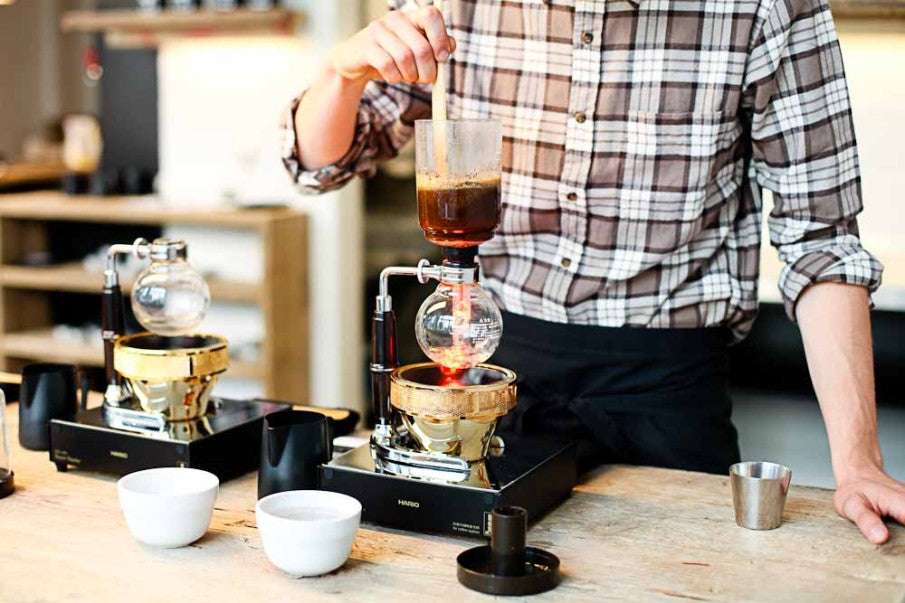
Brewing techniques define the Third Wave Coffee experience. They focus on careful preparation to bring out coffee’s true character. Each method aims to highlight the unique qualities of the beans. Precision and attention to detail are essential. Brewing becomes an art form, not just a routine.
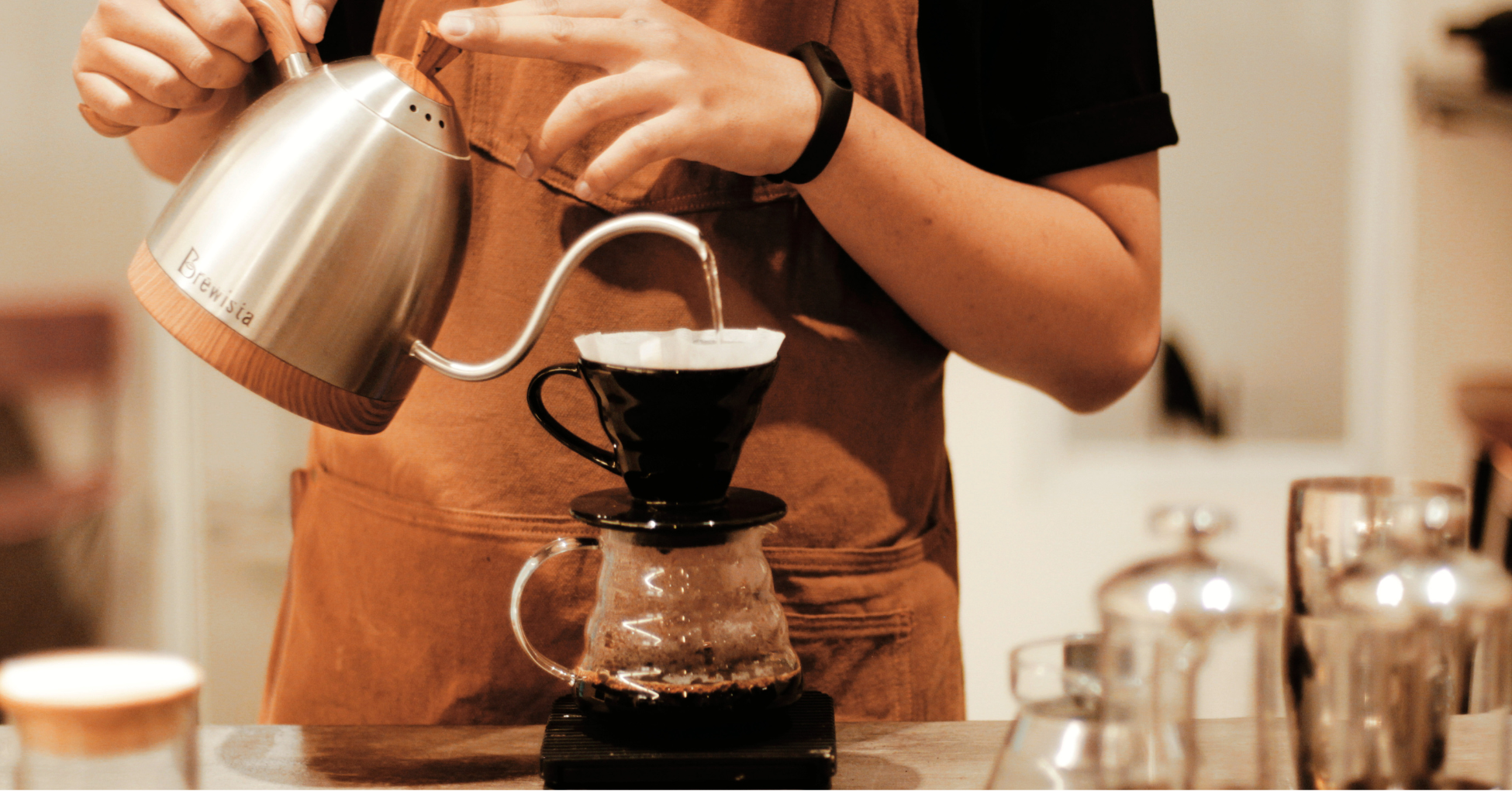
Pour-over Methods
Pour-over is a popular brewing method in Third Wave Coffee. It uses a filter, a cone, and hot water poured slowly over grounds. This process controls extraction time and temperature. Baristas can adjust the pour rate and water flow to enhance flavors. The result is a clean, bright cup with distinct notes.
Precision And Consistency
Precision matters in every step of brewing. Weighing coffee and water ensures the right ratio. Temperature control keeps the water hot enough without burning the grounds. Timers help maintain consistent brew times. This consistency guarantees a balanced and repeatable taste every time.
Highlighting Natural Flavors
Third Wave Coffee focuses on showcasing natural bean flavors. Light roasts preserve original fruity, floral, and acidic notes. Brewing methods aim to avoid bitterness or over-extraction. The goal is a cup that reflects the coffee’s origin and processing. Each sip reveals the story behind the beans.
Flavor Profiles
Flavor profiles are the heart of third wave coffee. This movement highlights distinct tastes in every cup. It reveals the complexity hidden in coffee beans. Each sip tells a unique story of origin and care.
Unique Taste Notes
Third wave coffee showcases bright, vibrant flavors. Expect fruity, floral, or even chocolate hints. These notes come from careful roasting to preserve natural flavors. The coffee feels lively and fresh, unlike darker roasts.
Emphasis On Terroir
Terroir means the environment where coffee grows. Soil, climate, and altitude shape the bean’s taste. Third wave coffee celebrates these differences. It lets drinkers experience the specific place behind their cup.
Comparison To Wine And Craft Beer
Like wine or craft beer, third wave coffee focuses on origin and flavor. It values small-batch production and careful tasting. Each coffee variety offers a different profile. This approach makes coffee drinking a richer, more detailed experience.

Credit: www.thirdwavecoffeeroasters.com
Sustainability Practices
Third wave coffee champions sustainability at every step. It focuses on ethical sourcing and eco-friendly methods. This ensures coffee benefits farmers, communities, and the planet alike. Sustainability practices form the backbone of its philosophy.
Fair Trade Initiatives
Fair trade supports small farmers by guaranteeing fair prices. It improves their living standards and working conditions. Third wave coffee brands often choose fair trade certified beans. This choice promotes equity and transparency in the coffee supply chain.
Environmental Impact
Reducing environmental harm is key in third wave coffee. Farmers use organic farming to avoid harmful chemicals. Shade-grown coffee preserves biodiversity and natural habitats. Water-saving techniques and waste reduction also lower the carbon footprint.
Long-term Partnerships
Building lasting relationships with farmers is essential. Direct trade models connect roasters and growers closely. Long-term partnerships encourage quality improvement and trust. They provide stable income and support community development projects.
Third Wave Influence
The third wave of coffee has deeply changed how people enjoy and think about coffee. It goes beyond just drinking coffee. It brings a new respect for the whole process, from growing beans to brewing the perfect cup. This wave has made coffee culture richer and more focused on quality and ethics.
People now see coffee as a craft. Each step matters. The flavor, the farm, and the method all tell a story. This influence spreads through cafes, roasters, and consumers worldwide.
Coffee Culture Shift
Coffee culture has moved from quick drinks to slow enjoyment. People want to know where their coffee comes from. They care about how it is grown and roasted. Cafes offer more than just espresso. They serve pour-overs and other careful brewing styles. This change makes coffee time special and meaningful.
Role Of Independent Roasters
Independent roasters play a big role in this new wave. They choose high-quality beans and roast them lightly. Their goal is to bring out unique flavors. These roasters often work directly with farmers. They support fair prices and good farming practices. Their work helps coffee lovers discover new tastes and stories.
Consumer Awareness
Consumers today know more about coffee than before. They ask about the origin and processing of beans. Many prefer single-origin coffee with clear labels. People also care about sustainability and ethical farming. This awareness drives demand for better coffee and fair trade. It makes coffee drinking a thoughtful and enjoyable experience.
Credit: kbcbakery.com
Frequently Asked Questions
What Is Special About Third Wave Coffee?
Third Wave Coffee treats coffee as an artisanal craft. It focuses on single-origin beans, transparent sourcing, lighter roasts, and precise brewing. This movement highlights unique flavors, ethical practices, and sustainability, offering a superior, nuanced coffee experience beyond mass-market options.
What Is The Difference Between 1st, 2nd, And 3rd Wave Coffee?
First wave coffee focuses on convenience with mass-produced, pre-ground beans. Second wave introduced fresh roasts and café culture, like Starbucks. Third wave treats coffee as craft, emphasizing single-origin beans, precise brewing, lighter roasts, and ethical sourcing for unique flavors.
What Is 5th Wave Coffee?
5th wave coffee blends technology and innovation with artisanal methods. It focuses on sustainability, personalization, and advanced brewing techniques for unique flavors. This wave enhances coffee experience using smart devices, precision, and often integrates specialty coffee culture with modern trends.
What Wave Of Coffee Is Starbucks?
Starbucks represents the Second Wave of coffee, focusing on fresh-roasted beans and espresso drinks with a café culture experience.
Conclusion
Third wave coffee changes how we see and enjoy coffee. It highlights quality beans and careful brewing. You taste unique flavors from specific farms. This wave cares about fairness and the environment. Coffee becomes more than a drink—it tells a story.
Choosing third wave coffee means valuing craft and connection. It invites you to explore coffee’s rich world. Enjoy a cup that respects farmers and nature. This approach brings fresh, exciting coffee experiences every time.

Hi, this is Cynthia A. Rose. Welcome to my Grinder related blog. Usually, I am busy with my kitchen and cooking all day. My main desire is to create a new recipe every day. But I have to use new tools every day to create new recipes. In this blog, I will share you how to use kitchen tools properly. I will not just share cooking related equipment, I will try to review all kinds of grinders like angle grinder among you. I hope my 12 years of experience will come in handy. Thanks!
Related posts:
 What to Know About the Grinder Plate When Making Hamburger?
 What is Third Wave Specialty Coffee? Discover Its Unique Flavor Revolution