
If you’re serious about espresso, you know that the right grinder can make or break your shot. But with so many options out there, how do you choose the perfect one for your needs?
Whether you want razor-sharp clarity or a rich, full-bodied flavor, understanding the differences between flat burr and conical burr grinders is key. In this Espresso Grinder Comparison, you’ll discover what features truly matter—like grind consistency, adjustment precision, and retention—and how they impact your daily brew.
Keep reading to find the grinder that fits your budget and brewing style, so every shot you pull tastes just the way you want.
You May Like
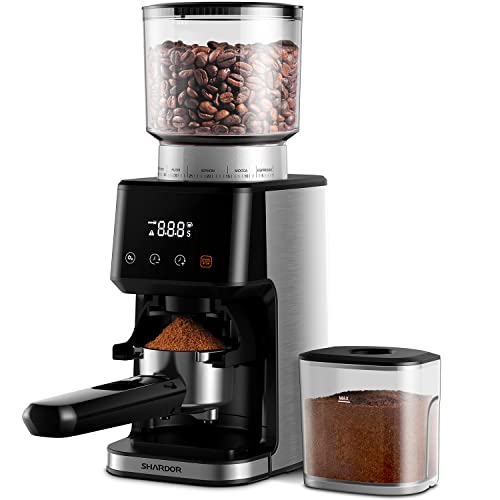
- Premium 40 Millimeter Stainless Steel Conical Burr: Designed to…
- 51 Precise Grind Settings: Adjustable from the finest for Espresso to…
- Precision Cup Quantification and Electronic Timer: The cup number can…
- Easy to Use: Grind the coffee beans directly into portafilter by using…
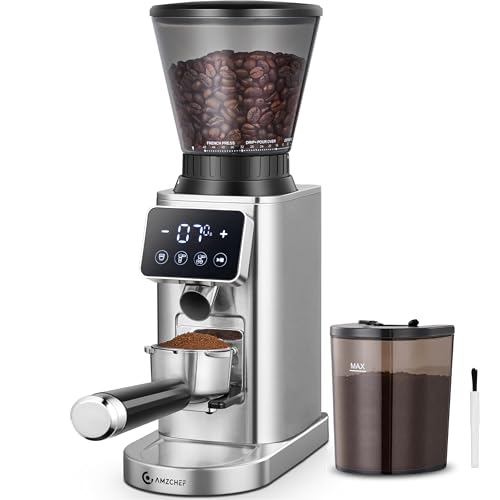
- DESIGN FOR ESPRESSO:We provide portafilter holder ,Portafilter holder…
- PRECISE GRINDING SYSTEM: Our coffee grinder patented coffee grinding…
- 48 GRINDING SETTINGS: Our coffee grinder offers 48 different grinding…
- DIGITAL & TOUCH DISPLAY: The LED control panel not only displays the…

- [48 Percision Grinding Settings] – This electric coffee grinder offers…
- [Patented Anti-Static 40mm Conical Burr] – This grinder’s patented…
- [Compact Size With Large Hopper] – The Tuni G1 espresso grinder…
- [Detachable Portafilter Holder] – The included portafilter holder is…
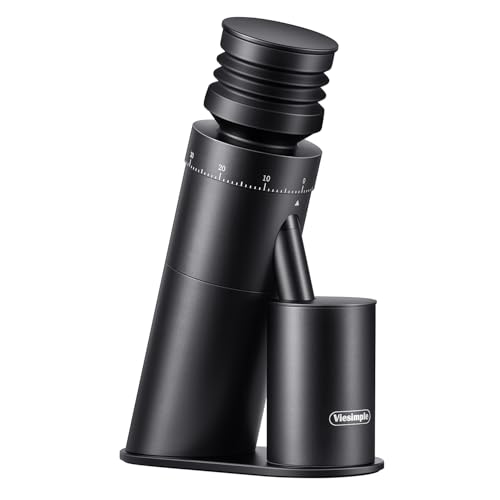
- THE DO-IT-ALL GRINDER:The electric coffee grinder is a powerful…
- ANTI-FLYING DESIGN: The powder catching cup of this espresso grinder…
- PREMIUN PERFORMANCE MOTOR: The Gen4 electric coffee grinder’s motor…
- ANTI-CLOGGING PATENT:Our burr coffee grinder has an anti-clogging…
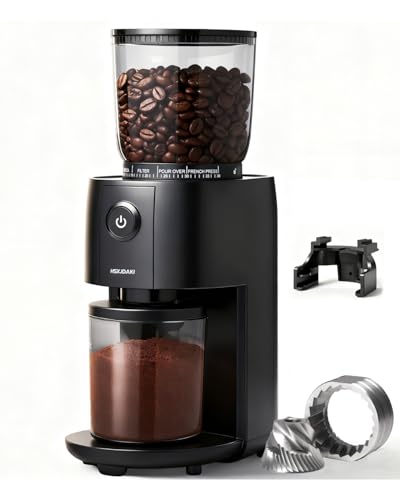
- 【Coffee Grinder with 38 Grind Settings】Conical burr coffee grinder…
- 【Faster Burr Grinding, Better Flavor】Electric burr coffee grinder…
- 【Lightweight Coffee Bean Grinder Electric】This electric coffee…
- 【One-Touch & Easy-Clean Coffee Grinder】Electric coffee grinder…
Burr Grinder Types
Burr grinders are essential for making great espresso. They crush coffee beans between two abrasive surfaces. This method creates uniform coffee grounds. Burr grinders come mainly in two types: flat burrs and conical burrs. Each type affects the flavor and texture of the espresso in different ways.
Choosing the right burr grinder type helps control the taste and quality of your espresso. Understanding the differences can guide you to better shots and a more enjoyable coffee experience.
Flat Burrs For Clarity
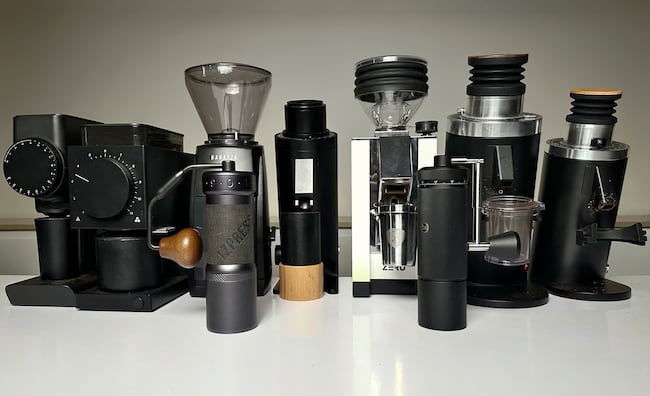
Flat burrs use two parallel discs to grind coffee. They produce very consistent, uniform grounds. This consistency leads to clearer, cleaner espresso flavors. Flat burrs highlight bright, distinct notes in your coffee. They often suit those who prefer a sharp, crisp espresso profile.
Conical Burrs For Body
Conical burrs have a cone-shaped center burr inside a ring burr. They create a blend of fine and coarse grounds. This mix adds body and richness to espresso. Conical burr grinders tend to preserve more coffee oils. This results in a fuller, deeper flavor and a classic espresso taste.
Heat And Noise Differences
Flat burr grinders usually run faster and generate more heat. This heat can affect the coffee’s flavor by causing slight burning. They also tend to be louder during grinding. Conical burr grinders operate slower and produce less heat. They are generally quieter and gentler on the beans. Lower heat helps preserve delicate coffee aromas and flavors.
Credit: coffeechronicler.com
Grind Adjustment Options
Grind adjustment options are vital for espresso grinders. They let you control the size of coffee particles. Proper grind size affects flavor, extraction time, and espresso quality. Different grinders offer different ways to adjust the grind. Understanding these options helps you pick the right grinder for your needs.
Stepless Adjustment Benefits
Stepless adjustment lets you change the grind size smoothly. It offers infinite settings without fixed stops. This allows fine-tuning to match your espresso machine perfectly. Small changes improve flavor and shot consistency. Baristas value stepless grinders for precise control. They help find the exact grind for any bean or roast. Stepless grinders suit those who like to experiment with taste.
Stepped Adjustment Features
Stepped adjustment uses fixed clicks or steps to set grind size. Each step represents a specific grind size setting. It is easier to use and repeat settings later. This system is common in many home grinders. High-end stepped grinders have very small step sizes. This offers good precision without the complexity of stepless. Stepped grinders work well for users who prefer quick, reliable settings.
Essential Grinder Features
Choosing the right espresso grinder means knowing the essential features. These features affect grind quality, consistency, and overall espresso taste. Understanding them helps you make a smarter choice for your coffee setup.
Low Retention Importance
Low retention means less coffee grounds stay inside the grinder. This keeps your beans fresh and avoids mixing old grounds with new ones. It helps maintain flavor purity and consistency in every shot. A grinder with low retention saves time and reduces waste.
Single Dosing Workflow
Single dosing means grinding only the amount needed for one shot. It keeps beans fresh and reduces oxidation. This method suits home baristas who want control and precision. Single dosing also cuts down on leftover coffee in the grinder, improving taste with each use.
Motor Torque And Speed
Motor torque affects how well the grinder handles dense espresso beans. A strong motor grinds smoothly without slowing down. Speed matters too; too fast can heat beans and damage flavor. The best grinders balance torque and speed to produce consistent, cool grounds every time.
Top Grinder Picks
Choosing the right espresso grinder is key to making great coffee at home. The grinder affects taste, texture, and consistency. Different grinders fit different budgets and needs. Here are the top grinder picks across various price ranges. Each option offers good value for its cost and performance.
These picks focus on burr type, grind adjustment, and ease of use. They suit beginners and experienced home baristas alike. Read on to find a grinder that matches your espresso goals and budget.
Budget-friendly Choices
Affordable grinders can still produce excellent espresso grounds. Look for models with conical burrs to keep costs low and noise minimal. Many budget grinders offer stepped grind settings, allowing decent control. These grinders suit beginners or those who want a simple machine without a big price tag.
Expect some limits in build quality or grind consistency compared to pricier models. Still, these grinders give a solid introduction to espresso brewing. Examples include compact electric grinders with easy dosing and basic grind settings.
Mid-range Options
Mid-range grinders often feature flat burrs for better grind consistency and flavor clarity. They include stepless adjustments for fine-tuning espresso shots. These grinders balance performance and price well. Many offer low retention to keep grounds fresh and reduce waste.
They suit home baristas who want more control over grind size and shot quality. Build quality and motor power improve in this range. Some models include timed dosing and quiet operation for a smoother experience.
High-end Models
Top-tier grinders deliver exceptional grind uniformity and precision. Flat or premium conical burrs pair with powerful motors to grind fast and cool. Stepless grind adjustment allows infinite settings to dial in espresso perfectly. These grinders often have low retention and anti-static features.
High-end models suit serious espresso lovers and professionals. They offer durable construction, refined workflow, and consistent results. Expect premium materials, intuitive controls, and quiet operation. These grinders help extract the full flavor potential of your beans.
Choosing By Brew Style
Choosing the right espresso grinder depends a lot on how you brew your coffee. Different brewing methods need different grind sizes and consistency. Picking a grinder that matches your brew style helps you get the best flavor and texture from your beans.
Consider whether you focus only on espresso or enjoy multiple brewing methods. Each option requires different features in a grinder. Understanding this helps you make a choice that fits your coffee routine perfectly.
Espresso Focused Grinders
Espresso grinders need to deliver very fine and consistent grounds. Flat burr grinders are popular for their precision and clarity in flavor. They produce a uniform grind that helps espresso shots taste clean and bright.
Conical burr grinders are quieter and create a slightly coarser grind with more body. They often preserve the coffee’s natural oils, resulting in a richer taste. Look for grinders with stepless adjustment for precise control over grind size.
Features like low retention reduce stale grounds inside the grinder. Single dosing options keep your beans fresh by grinding only what you need. These grinders are designed to handle fine espresso grind without overheating the beans.
Versatile Grinders For Multiple Methods
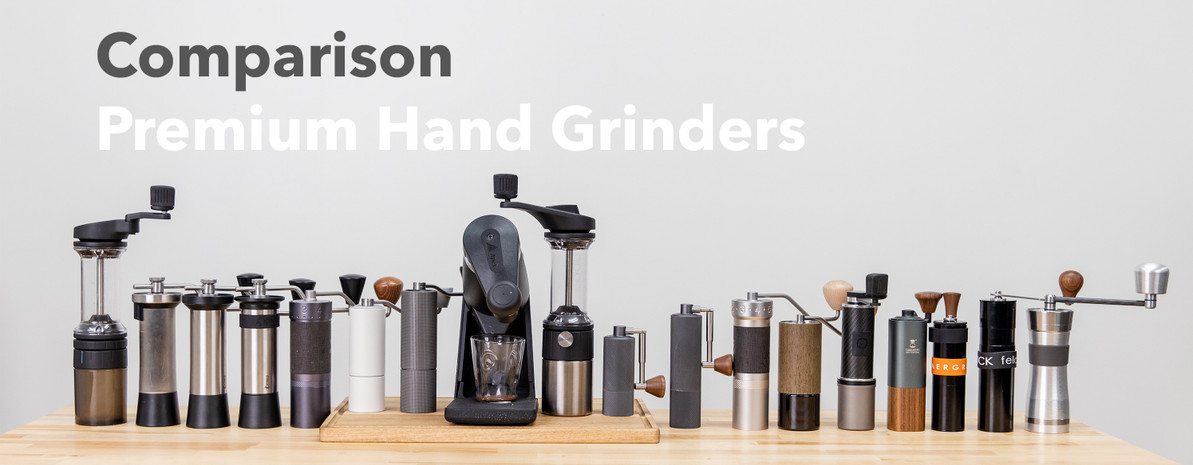
Grinders that work for various brew styles offer flexibility. They can grind coarse for French press or medium for drip coffee, besides fine for espresso. This makes them ideal for people who enjoy different types of coffee.
Look for grinders with stepped or stepless adjustments that cover a wide range of grind sizes. Burr type matters too; conical burrs often handle multiple grind sizes well. These grinders balance consistency and versatility.
Keep in mind that versatile grinders might not be as precise for espresso as dedicated machines. But they provide good performance for most home brewing needs. They save space and cost by replacing multiple grinders with one.
Credit: prima-coffee.com
Maintenance And Longevity
Proper maintenance ensures your espresso grinder works well for years. Regular care keeps the parts running smoothly. It also preserves the grinder’s performance and taste quality. Simple habits can prevent common issues and costly repairs. A well-maintained grinder saves money over time.
Cleaning Tips
Clean your grinder after every use. Remove leftover coffee grounds to avoid stale flavors. Use a soft brush to clean burrs and the grinding chamber. Avoid water on the burrs unless the manufacturer says it is safe. Wipe the exterior with a dry cloth. Deep clean monthly by disassembling removable parts carefully. This stops oil buildup and clogs. Use grinder cleaning pellets for thorough cleaning. Always follow the user manual for specific instructions.
Parts Replacement
Grinder parts wear out over time. Burrs dull and need replacing for consistent grind size. Check burrs every six months if used daily. Replace burrs with the exact model recommended by the maker. Other parts like the hopper or doser may also need changes. Keep spare parts handy for quick fixes. Regular replacement extends grinder life and maintains coffee quality. Never use worn parts as they affect grind and flavor.
Credit: www.youtube.com
Frequently Asked Questions
Which Type Of Grinder Is Best For Espresso?
The best grinder for espresso is a high-quality burr grinder. Flat burrs provide precise, consistent grinds for clarity. Conical burrs yield richer, blended flavors. Choose stepless adjustment for fine-tuning and low retention to keep grounds fresh. This ensures excellent, repeatable espresso shots.
What Is The 2:1 Rule For Espresso?
The 2:1 rule for espresso means extracting twice the weight of brewed espresso compared to the dry coffee dose. For example, 18g grounds yield 36g espresso. This ratio balances flavor, producing a rich and well-extracted shot. Adjusting it helps customize strength and taste.
Is 15 Or 20 Bar Espresso Better?
A 15-bar espresso machine provides sufficient pressure for quality shots. Twenty-bar pressure often exceeds what espresso needs and may not improve taste. Focus on consistent grind, fresh beans, and proper technique for better espresso than pressure alone.
Is Conical Or Flat Burr Better?
Flat burrs deliver consistent, clean espresso with clarity, while conical burrs produce richer, traditional flavors and operate quieter. Choose based on taste preference and noise tolerance.
Conclusion
Choosing the right espresso grinder makes a big difference. Focus on burr type, grind adjustment, and retention. Flat burrs give clean flavors; conical burrs add body. Stepless adjustment helps fine-tune your espresso shots. Low retention keeps your grounds fresh for each brew.
Remember, balancing budget and features leads to the best choice. A good grinder helps you enjoy better espresso every day. Keep these points in mind when selecting your grinder. Your perfect espresso awaits with the right grinder.

Hi, this is Cynthia A. Rose. Welcome to my Grinder related blog. Usually, I am busy with my kitchen and cooking all day. My main desire is to create a new recipe every day. But I have to use new tools every day to create new recipes. In this blog, I will share you how to use kitchen tools properly. I will not just share cooking related equipment, I will try to review all kinds of grinders like angle grinder among you. I hope my 12 years of experience will come in handy. Thanks!
Related posts:
 What to Know About the Grinder Plate When Making Hamburger?


