
If you’ve ever ground coffee beans only to find your kitchen covered in clingy coffee dust, you’re not alone. Static electricity in coffee grinders can turn a simple morning routine into a messy hassle.
But why does this happen, and more importantly, how can you stop it? Understanding the root of the static problem and learning easy tricks can save you time, reduce waste, and keep your coffee experience clean and enjoyable. Keep reading, and you’ll discover simple, effective ways to tackle static electricity in your coffee grinder—no fancy tools or expensive gadgets needed.
Your perfect cup of coffee starts here, without the static mess.
You May Like
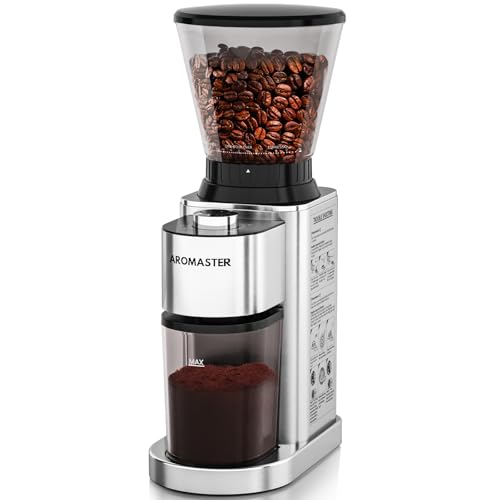
- 48 Grind Settings and Large Capacity : The Aromaster electric coffee…
- High Quality Stainless Steel : Aromaster’s stainless steel burrs are…
- Upgraded Anti-static Technology : Prevents coffee grounds from flying…
- Blockage Prevention and Easy Cleaning : The coffee bean grinder comes…
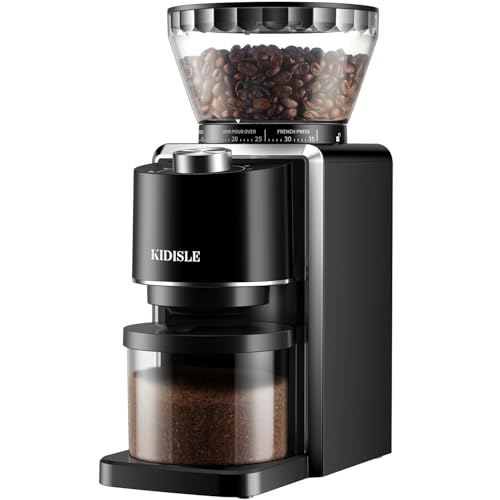
- 35 Precision Grinding: Adjustable burr grinder with multiple grind…
- Capacity & Design: Large transparent bean hopper and ground coffee…
- Easy Operation: Simple dial control system allows you to select your…
- Consistent Results: Premium burr grinding mechanism ensures uniform…
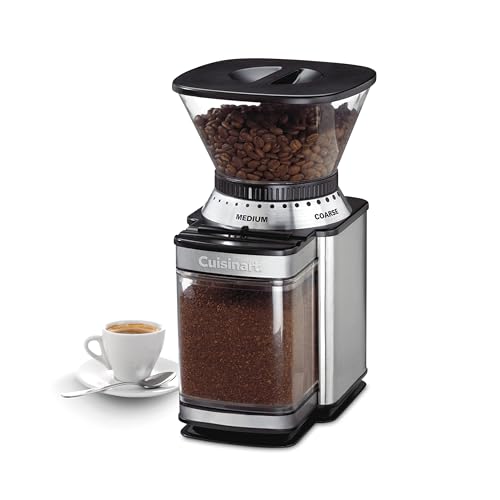
- ENJOY OPTIMUM FLAVOR: The Cuisinart Coffee Grinder with 18-position…
- REMOVABLE FEATURES: The 8 oz. bean hopper and bean chamber of the flat…
- GRIND CHAMBER: The burr grinder features a removable grind chamber…
- ONE-TOUCH GRIND: The one-touch power bar is separate from the coffee…

- [25 Grind Setting and 2-12 Cups Timer]: The coffee grinder offers a…
- [51-53mm Portafilter Holder] : Using the holder, you can grind coffee…
- [Stainless Conical Burr & Easy to Clean] : High-quality conical burr…
- [Upgraded DC Motor] : The burr coffee grinders adopt a new generation…
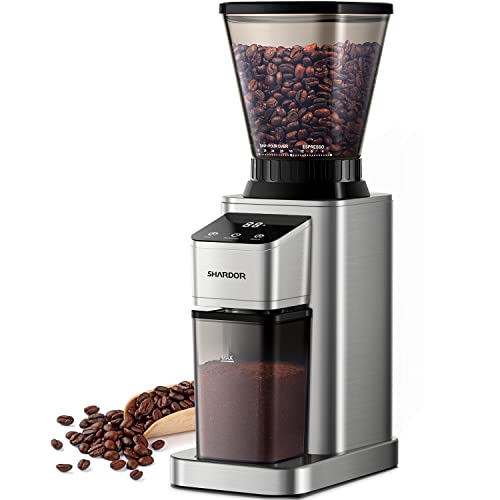
- [ PRECISION ELECTRONIC TIMER & TOUCHSCREEN PANEL ] – Precision…
- [ CHOOSE FROM 48 GRIND SETTINGS ] – This coffee bean grinder is…
- [ UPGRADE ANTI-STATIC CONICAL BURR COFFEE GRINDER ] – The anti-static…
- [ LARGE BEAN HOPPER ] – Our espresso grinder comes with a 9.7 oz…
Static Electricity In Coffee Grinders
Static electricity in coffee grinders can cause frustration for home brewers and baristas. Tiny coffee particles cling to the grinder or container walls due to static charges. This leads to uneven dosing and messy countertops. Understanding why static builds up and its effects on coffee grounds helps manage this common issue.
Why Static Builds Up
Static electricity forms when coffee beans rub against grinder parts. This friction moves electrons from one surface to another. Plastic parts tend to hold static more than metal. Dry air increases static because moisture helps dissipate charges. Grinding at high speed also raises static buildup. The finer the grind, the more static can occur.
Effects On Coffee Grounds
Static causes coffee grounds to scatter and stick to surfaces. This makes it hard to measure the correct amount of coffee. Grounds may fly out of the grinder, creating a mess. Static can also cause uneven distribution in the portafilter. This affects coffee extraction and flavor consistency. Reducing static improves the brewing experience and coffee quality.

Credit: www.lowkeycoffeesnobs.com
Ross Droplet Technique
The Ross Droplet Technique (RDT) helps reduce static electricity in coffee grinders. It works by adding a tiny amount of water to the beans before grinding. This small moisture drop stops the static charges from building up. The technique is simple and effective. It makes grinding smoother and less messy.
Measuring And Moistening Beans
Start by weighing your coffee beans carefully. Use the amount you need for your brew. Then, slightly wet your finger or a spoon. Add just a few drops of water to the beans. Avoid soaking them, as too much water can affect flavor. The goal is to lightly moisten the surface of the beans.
Distributing Moisture Evenly
Next, stir the beans gently to spread the moisture. Toss them lightly to coat every bean. Even moisture helps stop static from forming. It also keeps the beans from clumping during grinding. Make sure the water is spread well but not dripping.
Grinding Right Away
After moistening and mixing, grind the beans immediately. Delaying grinding may cause the water to evaporate. This reduces the effect of the Ross Droplet Technique. Freshly moistened beans produce less static and mess. Quick grinding keeps the coffee fresh and clean.
Increasing Ambient Humidity
Increasing ambient humidity helps reduce static electricity in coffee grinders. Static builds up easily in dry air. Moist air lowers static charge by allowing electric charges to dissipate. This creates a smoother grinding experience. It also prevents coffee grounds from sticking to the grinder and container. Adding moisture to the air is a simple way to fight static problems.
Using Humidifiers
Humidifiers add moisture to the air around your coffee grinder. They keep humidity levels steady and reduce dryness. This helps prevent static electricity from forming. Small portable humidifiers work well in kitchens or coffee corners. Set the humidifier near the grinder for best results. Run it during grinding to keep the air moist and static low.
Water Trays Near Grinder
Placing a tray of water near your coffee grinder increases air moisture naturally. Water evaporates slowly, raising humidity around the grinder. This method is easy and cost-free. Use a shallow dish or bowl filled with clean water. Position it close to the grinder but not in the way. Check water levels regularly and refill as needed to keep humidity steady.

Credit: www.lowkeycoffeesnobs.com
Choosing The Right Grinder Components
Choosing the right components for your coffee grinder plays a key role in reducing static electricity. Static causes coffee grounds to stick to the grinder or scatter, making a mess. Selecting materials that limit static build-up helps keep your grinding process smooth and clean.
Benefits Of Metal Catch Bins
Metal catch bins conduct electricity well, allowing static charges to flow away. This property reduces static build-up inside the grinder. Metal bins also resist stains and odors better than plastic. They are durable and easy to clean. Using a metal bin helps coffee grounds fall freely without clinging.
Avoiding Plastic Parts
Plastic parts tend to generate and hold static electricity. This causes coffee grounds to cling to surfaces. Plastic is also prone to scratching, which increases static build-up over time. Choosing grinders with fewer plastic components cuts down on static problems. Opt for materials like metal or glass for better static control.
Simple Grinder Maintenance Tips
Simple grinder maintenance helps reduce static electricity problems effectively. Keeping your grinder clean and well-handled cuts down static buildup. These easy tips improve your grinding experience and coffee quality. Follow these steps regularly for best results.
Cleaning Regularly
Clean your grinder after every few uses. Remove leftover coffee grounds inside the burrs and catch bin. Use a soft brush or cloth to wipe parts carefully. Avoid water on electrical components. Regular cleaning stops static by removing fine particles that cling and build up.
Tapping To Release Grounds
After grinding, gently tap the grinder or catch bin. This helps dislodge coffee grounds stuck due to static electricity. Use light taps to avoid damage. Tapping releases clinging particles so they fall into the container easily. This small action reduces mess and static buildup.
Letting Grounds Settle
Let your ground coffee sit for a few minutes before use. Static charge fades as grounds rest. This simple pause helps reduce clinginess when transferring coffee to your brewer. Give static time to dissipate naturally. It makes handling grounds smoother and cleaner.

Credit: sca.coffee
Additional Tips To Reduce Static
Static electricity in coffee grinders can be frustrating. Grounds stick to the container and scatter everywhere. Reducing static improves your coffee experience and keeps your kitchen clean. Here are some simple tips to help lower static in your grinder.
Using Freshly Roasted Beans
Fresh beans have more moisture inside. This moisture reduces static build-up during grinding. Beans older than two weeks tend to be drier and create more static. Buy small amounts of freshly roasted beans. Use them quickly for the best results.
Storing Beans Properly
Store your beans in an airtight container. Keep the container in a cool, dark place away from heat and sunlight. Proper storage keeps beans fresh and preserves their natural moisture. Avoid the fridge or freezer, which can cause condensation and damage beans. Dry beans create more static when ground.
Common Mistakes To Avoid
Static electricity in coffee grinders often frustrates many users. It causes grounds to stick everywhere, making cleanup hard. Avoiding certain mistakes can reduce static buildup significantly. Here are common errors to watch out for.
Over-wetting Beans
Adding too much water to beans can cause problems. The Ross Droplet Technique suggests only a few drops of water. Over-wetting makes beans clump and grind unevenly. This can damage the grinder or affect coffee taste. Use a light mist or damp finger to control moisture carefully.
Grinding Non-coffee Items
Grinding anything other than coffee beans can increase static electricity. Some materials create more static or leave residues in the grinder. Avoid spices, grains, or other substances in your coffee grinder. This keeps the grinder clean and reduces static buildup. Only grind fresh coffee beans for best results.
Frequently Asked Questions
How To Stop Static Cling In Coffee Grinder?
Add a few drops of water to coffee beans before grinding (Ross Droplet Technique). Use metal catch bins, maintain humidity, and keep the grinder clean to reduce static cling effectively.
Why Is Costco Getting Rid Of Coffee Grinders?
Costco removed coffee grinders due to frequent damage from misuse, including double-grinding and grinding non-coffee items. This caused costly repairs and replacements.
What Is An Anti-static Coffee Grinder?
An anti-static coffee grinder reduces static electricity during grinding. It prevents coffee grounds from sticking and flying, ensuring cleaner, smoother grinding.
How To Eliminate Static Electricity?
Eliminate static electricity by adding a few water drops to beans before grinding (Ross Droplet Technique). Increase humidity, use metal catch bins, keep the grinder clean, and tap or wait for grounds to settle. These steps reduce static buildup effectively.
Conclusion
Static electricity in coffee grinders can be frustrating but manageable. Simple steps like the Ross Droplet Technique help reduce static easily. Adding a few drops of water to beans before grinding makes a big difference. Using a metal catch bin also lowers static buildup.
Keeping your grinder clean and increasing room humidity helps too. Small actions prevent grounds from sticking and wasting coffee. Try these tips to enjoy smoother grinding and less mess. Static problems don’t have to ruin your coffee routine.

Hi, this is Cynthia A. Rose. Welcome to my Grinder related blog. Usually, I am busy with my kitchen and cooking all day. My main desire is to create a new recipe every day. But I have to use new tools every day to create new recipes. In this blog, I will share you how to use kitchen tools properly. I will not just share cooking related equipment, I will try to review all kinds of grinders like angle grinder among you. I hope my 12 years of experience will come in handy. Thanks!
Related posts:
 What to Know About the Grinder Plate When Making Hamburger?


