
If you’ve ever ground coffee only to find your kitchen counter sprinkled with stray grounds stuck everywhere, you’re dealing with coffee grinder static cling. It’s a frustrating problem that turns your smooth coffee-making routine into a messy hassle.
But what if you could stop those clingy grounds from jumping ship? By understanding why static happens and using simple tricks like the Ross Droplet Technique, you can keep your coffee grounds exactly where they belong — in your filter or French press, not scattered around.
Ready to learn easy, effective ways to say goodbye to static cling and enjoy a cleaner grind every time? Keep reading, because your perfect cup starts here.
You May Like
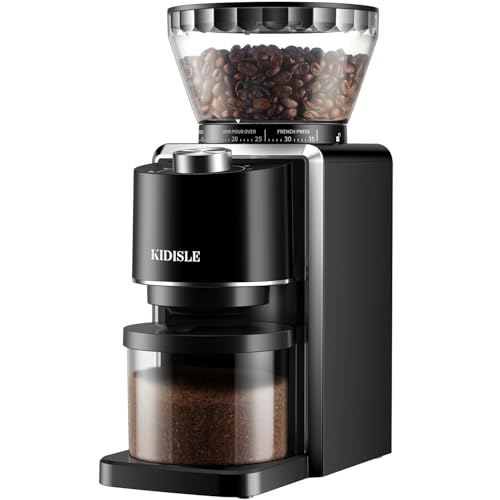
- 35 Precision Grinding: Adjustable burr grinder with multiple grind…
- Capacity & Design: Large transparent bean hopper and ground coffee…
- Easy Operation: Simple dial control system allows you to select your…
- Consistent Results: Premium burr grinding mechanism ensures uniform…
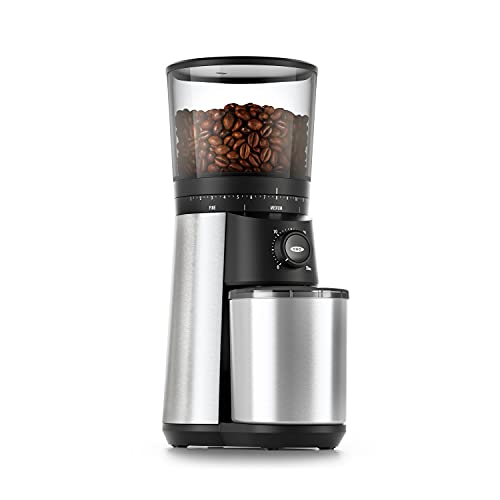
- Stainless steel conical burrs: Precision grinding system produces…
- 15 grind settings (plus micro-adjustments): Easily customize your…
- One-touch start: The Conical Burr Coffee Grinder remembers your last…
- Brew bigger: Large removable hopper holds up to 12 ounces of coffee…

- [25 Grind Setting and 2-12 Cups Timer]: The coffee grinder offers a…
- [51-53mm Portafilter Holder] : Using the holder, you can grind coffee…
- [Stainless Conical Burr & Easy to Clean] : High-quality conical burr…
- [Upgraded DC Motor] : The burr coffee grinders adopt a new generation…
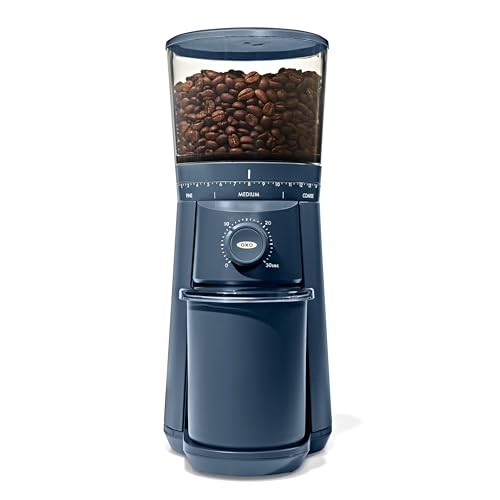
- Stainless steel conical burrs: Precision grinding system produces…
- 15 grind settings (plus micro-adjustments): Easily customize your…
- One-touch start: The Conical Burr Coffee Grinder remembers your last…
- Brew bigger: Large removable hopper holds up to 12 ounces of coffee…

- REDUCE STATIC – Just a light misting of your beans before grinding…
- LESS RETENTION – By alleviating static buildup from the grinder’s…
- REFINED ACCURACY – Create consistent cups every time. Static can…
- EASY TO USE – Careful calibration means just one spritz (or two) is…

Credit: www.lowkeycoffeesnobs.com
Static Cling Causes
Static cling in coffee grinders happens due to electric charges. These charges make coffee grounds stick to the grinder and container. Understanding the causes helps reduce this annoying problem. Three main factors affect static cling in coffee grinding.
How Static Builds Up
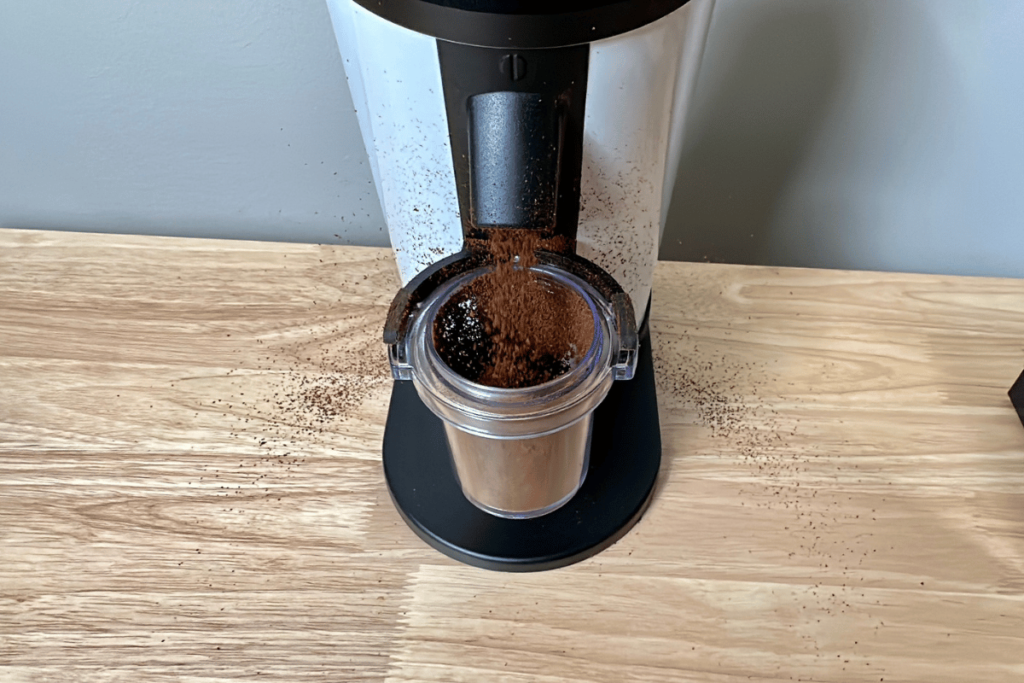
Static forms when coffee beans rub against grinder parts. This friction creates an electric charge. The charge causes grounds to stick to surfaces. Grinding fast or with dry beans increases this effect. The charge stays until it finds a way to release.
Role Of Humidity
Humidity affects static cling a lot. Dry air makes static stronger. Water molecules in humid air help reduce static charge. When humidity is low, static builds up easily. Adding moisture to beans or room air lowers static cling.
Material Impact On Static
The grinder’s material matters for static cling. Plastic parts hold static more than metal ones. Metal allows charges to move and escape quickly. Using metal containers or catch bins reduces static buildup. Material choice can control how much static sticks.
Credit: craftcoffeespot.com
Ross Droplet Technique
The Ross Droplet Technique (RDT) helps reduce static cling in coffee grinders. It adds a tiny amount of moisture to coffee beans before grinding. This simple step stops static electricity that makes grounds stick to the grinder. The process keeps your coffee grind clean and easy to manage. Below are the key steps to use the Ross Droplet Technique correctly.
Measuring Beans
Start by weighing the coffee beans you want to grind. Use a digital scale for accuracy. Measuring ensures consistent coffee strength and flavor. Avoid guessing amounts to keep each brew balanced.
Adding Moisture Properly
Lightly wet a finger or a spoon handle with water. Add just a few drops to the beans. Do not soak the beans; a small amount is enough. This moisture reduces static by neutralizing electric charges.
Even Distribution
Stir or gently toss the beans to spread the moisture evenly. Make sure all beans get a slight coating. This step prevents clumping and helps the grinder work smoothly.
Grinding Right After
Grind the beans immediately after adding moisture. Delaying can affect the coffee flavor and texture. Freshly ground beans deliver the best aroma and taste. Quick grinding keeps static problems at bay.
Humidity Adjustments
Controlling humidity is a simple yet effective way to reduce static cling in coffee grinders. Dry air increases static electricity, which causes coffee grounds to stick and scatter. Adjusting humidity levels helps balance static charges, making grinding cleaner and easier.
Using Humidifiers
Humidifiers add moisture to the air around your grinder. They raise the humidity level, reducing static buildup on coffee grounds. A small humidifier works well in kitchens or coffee stations. Keep it running during grinding sessions for best results.
Water Trays Near Grinder
Placing a tray of water near your coffee grinder adds moisture naturally. As water evaporates, it increases local humidity. This simple trick helps reduce static without extra tools. Refill the tray regularly to maintain steady moisture levels.
Benefits Of Higher Moisture
Higher moisture reduces static cling and prevents coffee dust from flying. It helps coffee grounds stick less to grinder parts. Moisture also improves grind consistency and flavor extraction. Overall, it makes your coffee routine cleaner and more enjoyable.
Credit: www.americastestkitchen.com
Metal Vs Plastic Bins
Choosing between metal and plastic bins for your coffee grinder affects static cling. Static causes coffee grounds to stick to surfaces, making cleanup hard. The material of the bin plays a key role in reducing static. Metal bins help lower static better than plastic ones. Understanding why metal bins reduce static can improve your grinding experience.
Why Metal Bins Reduce Static
Metal bins conduct electricity and allow static charges to dissipate. Plastic bins are insulators and hold static charges. Static builds up when coffee grounds rub against plastic surfaces. Metal bins prevent this by grounding the static electricity. This stops coffee grounds from sticking to the bin walls. Using metal bins means fewer messes and less wasted coffee. Metal’s ability to reduce static improves grind consistency too.
Choosing Grinders With Metal Parts
Select grinders that feature metal bins or catch containers. Metal parts reduce static build-up during the grinding process. Some grinders offer metal burrs and metal catch bins together. This combination helps control static better than plastic-only models. Metal parts last longer and handle heat better than plastic. Investing in grinders with metal components leads to cleaner, more efficient grinding. Check product descriptions to confirm the bin and burr materials before buying.
Quick Physical Fixes
Static cling in coffee grinders can be annoying and messy. Quick physical fixes help reduce static build-up fast. These simple actions improve your grinding experience. They keep coffee grounds from sticking to the grinder parts and flying everywhere.
Tapping The Grinder
Tap the grinder gently on a hard surface. This shakes loose stuck coffee grounds. It also helps release static electricity. Use a light but firm tap. Avoid hitting too hard to protect the grinder. Tapping breaks the bond between grounds and grinder walls.
Waiting For Static To Dissipate
Pause and let static electricity fade naturally. Static builds up during grinding but drops over time. Give the grinder a minute or two to rest. This reduces static cling without extra effort. Waiting helps settle coffee grounds inside the container. It creates a cleaner, less messy grind.
Maintaining Your Grinder
Maintaining your coffee grinder is key to enjoying fresh and flavorful coffee every day. Regular care prevents static cling and keeps your grinder working smoothly. Clean grinders produce consistent grinds and avoid old coffee flavors mixing in.
Simple maintenance routines save time and improve your coffee experience. Focus on removing coffee dust and oils that cause static and clumping. Proper care extends your grinder’s life and enhances taste quality.
Cleaning Tips
Unplug the grinder before cleaning. Use a soft brush to remove coffee particles from the burrs and chute. Wipe the hopper and catch bin with a dry cloth. Avoid water on electrical parts to prevent damage. Clean weekly for best results. Deep clean monthly by removing burrs if your model allows. Use grinder cleaning pellets to clear oils and residue. Keep all parts dry to reduce static buildup.
Avoiding Old Coffee Grounds Buildup
Empty the grinder fully after each use. Old grounds cause stale flavors and attract moisture. Store beans in an airtight container to prevent dust entering the grinder. Use the right grind size for your brewing method to avoid clogs. Regularly check and clean the chute and catch bin. Avoid grinding oily beans that leave residue. This habit reduces static and keeps coffee tasting fresh.
Bean Selection Tips
Selecting the right coffee beans plays a key role in reducing static cling in your grinder. The type and condition of beans affect how much static builds up during grinding. Choosing beans with proper freshness and moisture helps control static. Understanding these factors improves your grinding experience and coffee quality.
Freshness And Static Levels
Fresh coffee beans contain oils that reduce static buildup. Older beans tend to be drier and create more static. Grinding fresh beans lowers static cling and keeps grounds from sticking to surfaces. Aim to buy beans roasted within the last two weeks. Store beans in airtight containers to maintain freshness and reduce static during grinding.
Moisture Content In Beans
Beans with balanced moisture produce less static in grinders. Too dry beans generate static electricity easily. Beans that are slightly moist help reduce static cling. The Ross Droplet Technique adds a few drops of water to dry beans before grinding. This slight moisture neutralizes static charges and improves grind consistency. Avoid soaking beans; just enough moisture controls static without affecting taste.
Common Mistakes To Avoid
Static cling in coffee grinders can be frustrating. It causes coffee grounds to stick everywhere. Avoiding common mistakes helps reduce this problem. Simple actions improve your grinding experience and keep your kitchen cleaner.
Learn about frequent errors that increase static cling. Fixing these prevents mess and wasted coffee grounds.
Double Grinding Issues
Grinding coffee twice causes more static buildup. The coffee becomes finer and lighter. This increases static electricity and cling. Avoid regrinding coffee unless necessary. Grind the right amount for each brew. This keeps static levels lower and grounds cleaner.
Also, double grinding can change the flavor. Over-extracted coffee tastes bitter or sour. Freshly ground beans give the best taste and less static.
Grinding Non-coffee Items
Do not grind spices or other items in your coffee grinder. These can create extra static and damage the grinder. Residue from other materials sticks to the burrs and container. This increases static cling and cross-contaminates flavors.
Use separate grinders for non-coffee items. Clean your coffee grinder regularly to remove old grounds. This reduces static buildup and keeps coffee fresh.
Frequently Asked Questions
How To Stop Static Cling In Coffee Grinder?
Add a few drops of water to beans before grinding (Ross Droplet Technique). Use metal catch bins, keep grinder clean, and increase room humidity to reduce static cling.
Why Is Costco Getting Rid Of Coffee Grinders?
Costco is removing coffee grinders due to low demand and supply chain challenges. They focus on high-selling, efficient products instead.
How To Prevent Coffee Beans From Sticking To The Grinder?
Add a few drops of water to coffee beans before grinding (Ross Droplet Technique). Use metal catch bins, keep grinder clean, and maintain humidity. Tap the grinder to release stuck grounds. These steps reduce static cling and prevent beans from sticking inside the grinder.
Why Does My Coffee Grinder Keep Jamming?
Your coffee grinder jams due to static cling causing grounds to stick and block the mechanism. Add a few drops of water to beans before grinding or increase ambient humidity. Use a metal catch bin and clean the grinder regularly to reduce static and prevent jamming.
Conclusion
Static cling in coffee grinders can be frustrating but manageable. Using the Ross Droplet Technique helps reduce static with just a few drops of water. Keeping your grinder clean and choosing metal catch bins also lowers static buildup. Adding humidity to your space works well too.
Simple actions like tapping the grinder after use can free stuck grounds. These easy steps make grinding smoother and less messy. Enjoy better coffee prep with less hassle every time.

Hi, this is Cynthia A. Rose. Welcome to my Grinder related blog. Usually, I am busy with my kitchen and cooking all day. My main desire is to create a new recipe every day. But I have to use new tools every day to create new recipes. In this blog, I will share you how to use kitchen tools properly. I will not just share cooking related equipment, I will try to review all kinds of grinders like angle grinder among you. I hope my 12 years of experience will come in handy. Thanks!
Related posts:
 What to Know About the Grinder Plate When Making Hamburger?


