
Are you concerned about what’s really in your morning cup of coffee? If you use a plastic coffee maker, it’s natural to wonder: Are plastic coffee makers safe?
The truth might surprise you. Hot water passing through plastic parts can release tiny particles called microplastics into your brew, and over time, this could affect your health. But don’t worry—there are easy ways to enjoy your coffee without these risks.
Keep reading to discover how plastic impacts your coffee, what the latest research says, and how you can make safer choices for your daily caffeine fix. Your health—and your coffee—deserve it.
You May Like

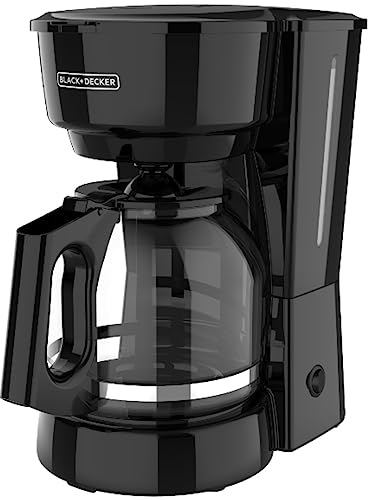
- 12-CUP DURALIFE GLASS CARAFE: The sturdy 12-cup* carafe has…
- SNEAK-A-CUP FEATURE TO PREVENT DRIPS: This feature temporarily stops…
- EASY-VIEW WATER WINDOW: The front-facing window shows you the exact…
- DIGITAL CONTROLS WITH RUBBERIZED FEEL: Large, rubberized buttons give…

- STRONG BREW: Increases the strength and bold taste of your coffee’s…
- 3 CUP SIZES: Brew an 8, 10, or 12 oz. cup at the push of a button.
- MULTIPLE CUP WATER RESERVOIR: 42oz. removable reservoir lets you brew…
- FAST & FRESH BREWED: Delicious coffee made in minutes.
- VORTEX TECHNOLOGY: The exclusive showerhead design evenly saturates…
- SNEAK-A-CUP: This feature temporarily stops the flow of coffee,…
- NO-DRIP PERFECT POUR SPOUT: Don’t put up with annoying spills. The…
- REMOVABLE FILTER BASKET: Cleanup is easy with the dishwasher-safe brew…

- ADJUSTABLE CARAFE TEMP: Our Cuisinart 14-Cup* Coffee Maker with…
- BREW STRENGTH CONTROL: This coffee maker customizes your brew to…
- FULLY AUTOMATIC COFFEE MAKER: The coffee machine offers convenience…
- 14-CUP* CAPACITY: *Cup equals approx. 5 oz. (varies by brewing…

- BREW BY THE CUP OR CARAFE: Brews both K-Cup pods and coffee grounds.
- MULTISTREAM TECHNOLOGY: Saturates the grounds evenly to extract full…
- BREW OVER ICE: Adjusts temperature for maximum flavor and less ice…
- STRONG BREW & EXTRA HOT FUNCTIONALITY: Brews a stronger, more…
Plastic Leaching In Coffee Makers
Plastic leaching in coffee makers happens when tiny plastic particles break off into your coffee. This process raises health concerns because these microplastics enter your daily drink. Understanding how heat, pressure, and certain coffee maker parts contribute helps you make safer choices.
Heat And Pressure Effects
Hot water used in coffee brewing can cause plastic parts to degrade. Heat softens plastic, making it easier for particles to break free. Pressure inside the machine adds stress to plastic components. Over time, this causes microplastics to release into the coffee.
Single-serve Pods And Reservoirs
Single-serve pods, like K-Cups, contain plastic layers that face direct heat. This exposure increases the chance of plastic leaching. Plastic reservoirs in drip coffee makers also contact hot water constantly. Both parts are common sources of microplastics in brewed coffee.
Microplastics Release Mechanism
Plastic breaks down through physical and chemical processes during brewing. Hot water and pressure cause tiny plastic pieces to detach. These microplastics mix with the coffee liquid you drink. Repeated use of plastic parts raises the amount of microplastics released.
Health Risks From Microplastics
Microplastics are tiny plastic particles less than 5 millimeters in size. They can come from many sources, including plastic coffee makers. These small particles may enter your coffee during brewing. The concern is that consuming microplastics could affect your health over time. Understanding the risks from microplastics in plastic coffee makers is important for your safety.
Research On Microplastic Contamination
Studies show plastic coffee makers release microplastics into brewed coffee. Hot water breaks down plastic parts, creating tiny particles. Single-serve pods and plastic reservoirs in drip machines are main sources. Researchers found measurable microplastic levels in coffee from these machines. The amount varies with machine age and usage frequency.
Long-term Health Concerns
Microplastics can accumulate in the body after repeated exposure. Scientists worry about inflammation and cellular damage from these particles. Some studies link microplastics to changes in gut health and immune response. The full effects on humans remain unclear, but caution is advised. Reducing microplastic intake may protect your health over time.
Reports From Scientific Studies
Scientific reports highlight potential health risks from microplastic ingestion. Time Magazine covered research showing microplastic presence in coffee and food. Experts suggest microplastics could carry harmful chemicals inside the body. Ongoing studies aim to clarify long-term impacts. For now, these findings encourage safer brewing choices.
Reducing Exposure To Plastic Contaminants
Reducing exposure to plastic contaminants in coffee is important for health. Hot water in plastic coffee makers can release tiny plastic particles. These microplastics may enter your coffee during brewing. Taking simple steps helps lower this risk and keeps your coffee cleaner.
Choosing Plastic-free Coffee Makers
Select coffee makers made from glass, stainless steel, or ceramic. These materials do not leach microplastics into your drink. French presses and pour-over brewers often use no plastic parts. Avoid machines with plastic reservoirs or baskets. This choice reduces contact between hot water and plastic.
Using Paper And Alternative Filters
Use paper filters instead of reusable plastic ones. Paper filters trap coffee grounds without adding plastic particles. Some alternatives include cloth or metal filters made from safe materials. These options lower the chance of plastic contaminating your coffee. Regularly change filters to maintain purity.
Avoiding Single-use Plastic Pods
Single-use plastic pods, like K-Cups, release microplastics when heated. Avoid these pods to reduce plastic intake. Consider refillable pods made from stainless steel or reusable filters. Making coffee from fresh grounds is safer and more environmentally friendly. This switch limits plastic exposure and waste.
Healthiest Coffee Maker Materials
Choosing the right material for your coffee maker affects your health. Some materials keep your coffee pure and free from harmful substances. Others might release tiny particles into your brew. Knowing the healthiest coffee maker materials helps you make safer choices.
Glass And Ceramic Options
Glass and ceramic coffee makers do not leach chemicals. They keep the flavor pure and fresh. These materials resist heat without breaking down. Many pour-over brewers and carafes use glass or ceramic. Cleaning is simple, and they do not absorb odors or stains.
Stainless Steel Models
Stainless steel is strong and safe for hot liquids. It does not release harmful substances into coffee. Many French presses and thermal carafes use stainless steel. This material keeps coffee hot longer without affecting taste. Stainless steel models are durable and easy to clean.
Avoiding Aluminum And Plastic
Aluminum coffee makers may react with acidic coffee. This can change the flavor and release metals. Plastic parts in coffee makers can break down when heated. Hot water may cause microplastics to enter your coffee. Avoid plastic reservoirs and pods to reduce risks. Choose plastic-free options to protect your health.
Top Coffee Maker Recommendations
Choosing the right coffee maker matters for your health and taste. Some coffee machines use plastic parts that might release microplastics during brewing. Selecting models with safe materials helps reduce this risk. Here are top coffee maker recommendations that combine safety and great coffee.
Manual Pour-over And Drip Brewers
Manual pour-over and drip brewers often use glass or stainless steel. These materials do not leach harmful chemicals or microplastics. They give you full control over brewing time and temperature. Simple designs make them easy to clean and maintain. Using paper filters further reduces contact with plastics. These brewers suit people who enjoy hands-on coffee making.
Automatic Drip Machines With Safe Materials
Some automatic drip machines use BPA-free plastic or stainless steel parts. Look for models with glass carafes instead of plastic ones. Machines with removable water reservoirs made of safe materials lower plastic exposure. These coffee makers offer convenience without compromising safety. Check product details to ensure plastic components are non-toxic and heat resistant.
Espresso Makers With Non-toxic Components
Espresso machines often contain metal or ceramic parts in contact with coffee. Choose models that avoid plastic in the water path and brew head. Some brands use food-grade stainless steel or silicone seals. These materials prevent chemical leaching during high-pressure brewing. Espresso lovers can enjoy rich coffee with less worry about microplastics.
Consumer Tips For Safe Brewing
Brewing coffee safely means more than just choosing the right machine. Your habits and choices impact the quality and safety of your coffee. Following simple consumer tips helps reduce risks related to plastic coffee makers. Focus on cleanliness, product quality, and making smart trade-offs. These steps protect your health while enjoying your daily brew.
Maintaining Coffee Maker Hygiene
Clean your coffee maker regularly to stop bacteria and mold growth. Remove old coffee grounds and rinse all parts with warm, soapy water. Dry components fully before reassembling. Avoid letting water sit in the machine for long periods. Regular cleaning reduces chemical build-up from plastic parts. It also keeps your coffee tasting fresh and pure.
Recognizing Quality Certifications
Look for coffee makers with safety and quality certifications. Check labels for BPA-free plastics to avoid harmful chemicals. Certifications from trusted agencies ensure the product meets health standards. These marks prove the manufacturer tested the materials for safety. Choosing certified products lowers the chance of chemical leaching into coffee.
Balancing Convenience And Safety
Plastic coffee makers offer ease but may pose risks over time. Consider using glass or stainless steel parts when possible. Use reusable filters instead of plastic pods to reduce exposure. Weigh the convenience of quick brewing against potential health concerns. Small changes can improve safety without losing comfort or taste.
Frequently Asked Questions
Do Plastic Coffee Makers Leach Microplastics?
Yes, plastic coffee makers can leach microplastics due to heat breaking down plastic parts during brewing. Choose glass or stainless steel brewers to reduce exposure. Avoid single-use plastic pods and filters to minimize microplastic contamination in your coffee.
Is It Safe To Drink Coffee From A Plastic Coffee Maker?
Drinking coffee from plastic makers may expose you to microplastics. Heat causes plastics to leach particles. Choose glass or stainless steel brewers for safer coffee.
What Is The Healthiest Type Of Coffee Maker?
The healthiest coffee makers use glass, stainless steel, or ceramic. French presses, pour-overs, and stainless steel drip machines avoid plastic chemicals and microplastics, ensuring pure, safe brewing without harmful residues or off-gassing.
What Is The Best Coffee Maker To Avoid Microplastics?
The best coffee makers to avoid microplastics use glass, stainless steel, or ceramic materials. French presses and pour-over brewers like Chemex are ideal. Avoid plastic pods and reservoirs to reduce microplastic exposure. Choose metal or ceramic grinders for a safer brew.
Conclusion
Plastic coffee makers can release tiny plastic particles into coffee. Heat and pressure cause this plastic breakdown during brewing. Single-serve pods and plastic parts in drip machines are common sources. Studies show microplastics in coffee from these machines. Long-term effects of microplastic consumption remain unclear but raise concern.
Choosing glass or stainless steel brewers can reduce exposure. Avoiding plastic pods and filters also helps. Making small changes leads to safer coffee habits. Your health matters when selecting coffee makers. Consider safer options for peace of mind and better taste.

Hi, this is Cynthia A. Rose. Welcome to my Grinder related blog. Usually, I am busy with my kitchen and cooking all day. My main desire is to create a new recipe every day. But I have to use new tools every day to create new recipes. In this blog, I will share you how to use kitchen tools properly. I will not just share cooking related equipment, I will try to review all kinds of grinders like angle grinder among you. I hope my 12 years of experience will come in handy. Thanks!