When it comes to making the perfect cup of coffee, how you grind your beans matters more than you might think. You might be wondering: should you go for a burr grinder or a regular coffee grinder?
Choosing the right grinder can change the flavor, aroma, and overall quality of your brew. You’ll discover the real differences between burr grinders and other coffee grinders, what makes one better for your needs, and how to avoid common mistakes that can ruin your coffee experience.
Keep reading to find out which grinder will unlock the full potential of your coffee and make every sip truly satisfying.
You May Like
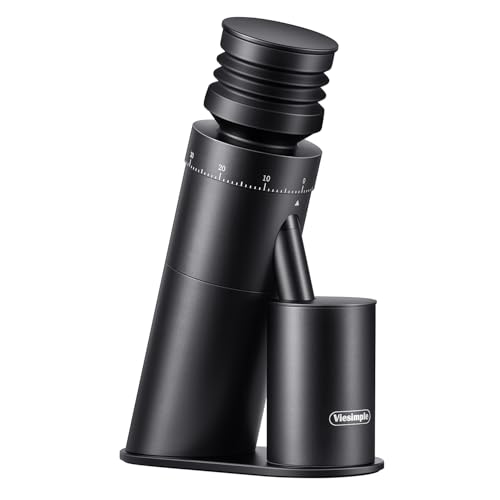
- THE DO-IT-ALL GRINDER:The electric coffee grinder is a powerful…
- ANTI-FLYING DESIGN: The powder catching cup of this espresso grinder…
- PREMIUN PERFORMANCE MOTOR: The Gen4 electric coffee grinder’s motor…
- ANTI-CLOGGING PATENT:Our burr coffee grinder has an anti-clogging…

- CONSISTENT GRIND SIZE – 50 Grind Settings dual ball bearings design…
- TRAVEL COFFEE GRINDER – The Java G45 is a high-performance manual…
- PUSH-BUTTON QUICK RELEASE – Stand out from standard manual coffee…
- COMPACT EXTENDABLE HANDLE – Weighing under 1 lb, the handle easily…

- ALL-PURPOSE COFFEE GRINDER: This coffee bean grinder features 5-blade…
- ANTI-CLOGGING PATENT: Our burr coffee grinder features an innovative…
- PREMIUM PERFORMANCE MOTOR: Equipped with an advanced motor, this…
- ANTI-FLYING POWDER DESIGN: This coffee grinder espresso features a…
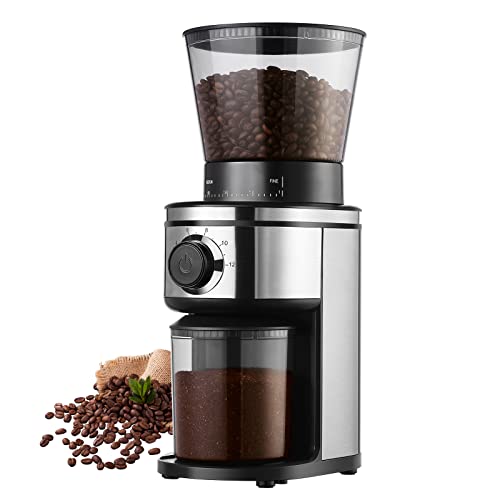
- 【Durable Conical Burr】With 40-millimeter stainless steel conical…
- 【Precise Grinding Settings】The OLLYGRIN burr coffee grinder offers…
- 【Keep the Optimal Flavor of Coffee】 OLLYGRIN burr coffee grinder…
- 【Large Capacity & Auto-locking System】 OLLYGRIN burr coffee…

- Tired of small batches? Meet the world’s first manual grinder with a…
- 40 EXTERNAL SETTINGS – DIAL IN PERFECT BREWS INSTANTLY. Our external…
- MASTER-LEVEL PRECISION – LAB-ACCURATE GRINDS, BARISTA-APPROVED FLAVOR…
- DURABLE STAINLESS STEEL BURR – GRIND FASTER, TASTE BETTER, ENJOY…
Burr Grinder Basics
Burr grinders are a popular choice for coffee lovers who want fresh, consistent grounds. They work by crushing beans between two burrs. This process creates uniform coffee particles. Burr grinders give more control over grind size than blade grinders. Understanding the basics helps in choosing the right grinder.
How Burr Grinders Work
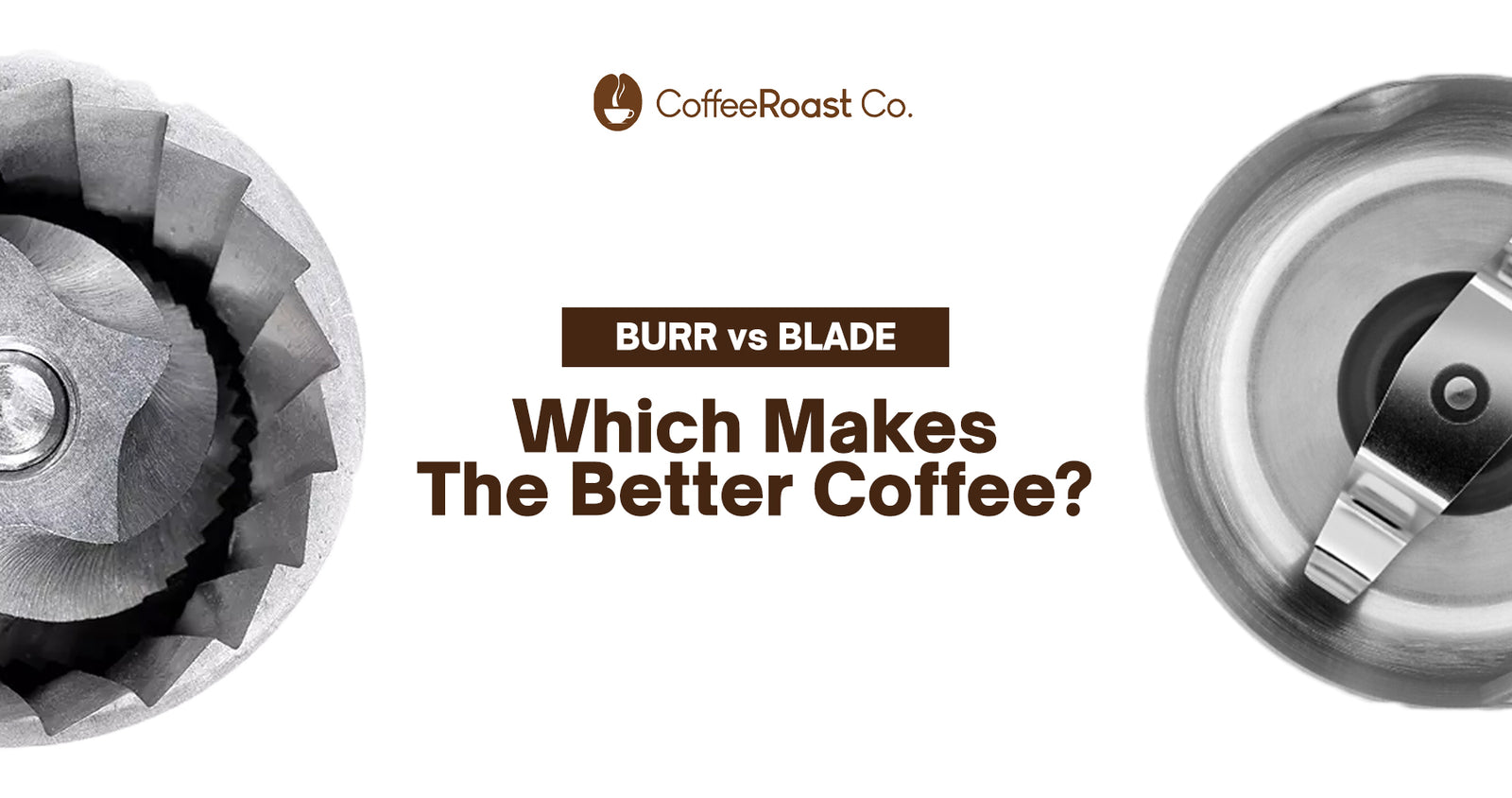
Burr grinders use two abrasive surfaces called burrs. One burr remains stationary while the other rotates. Coffee beans pass through the space between the burrs. This crushes the beans into small, even pieces. The distance between burrs controls the grind size. Smaller distance means finer grounds. Larger distance produces coarser grounds.
Types Of Burr Grinders
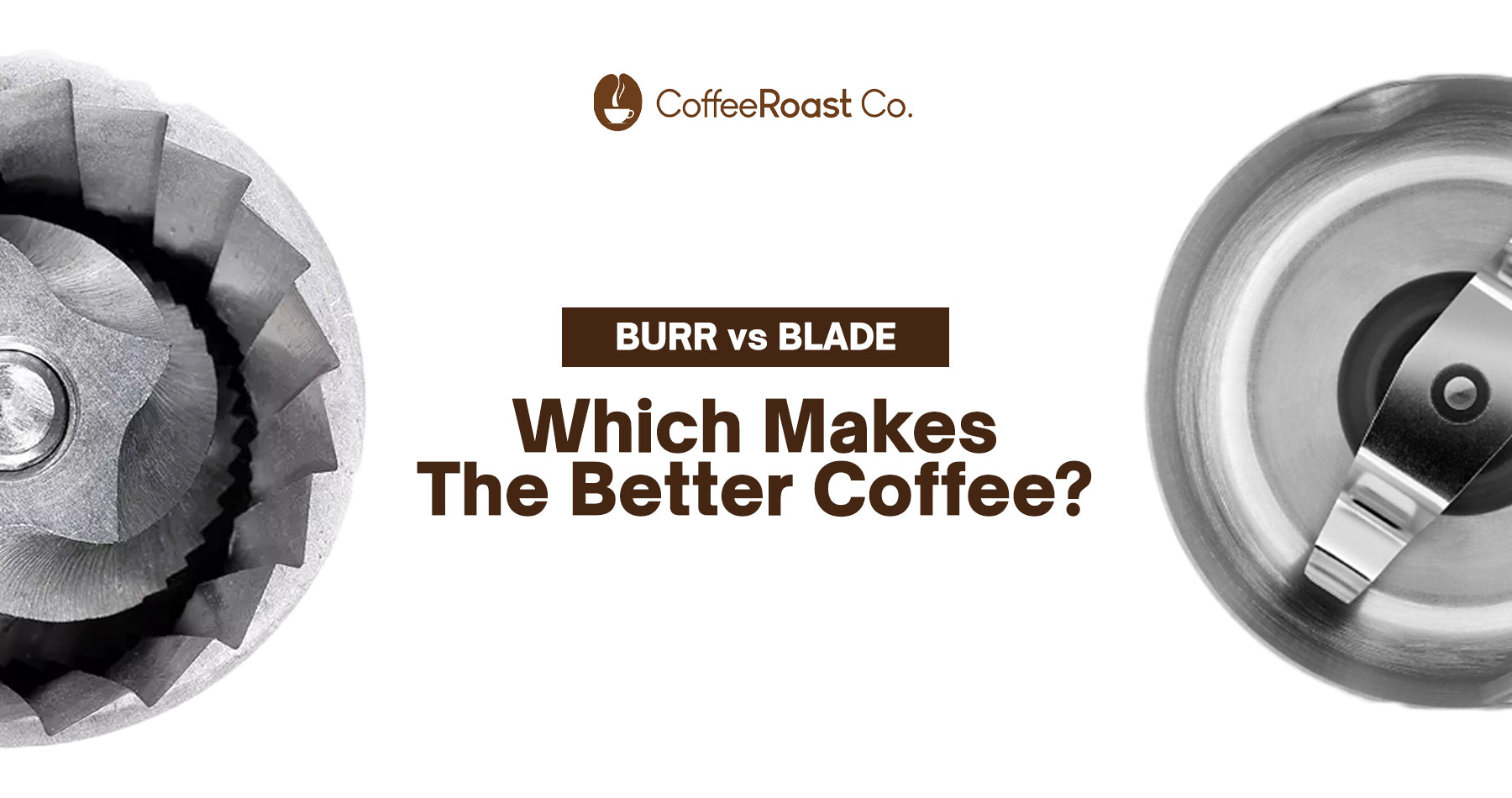
There are two main types of burr grinders: flat burr and conical burr. Flat burrs are two parallel discs. They create consistent grind size but can be noisy. Conical burrs have a cone-shaped burr inside a ring burr. They operate quietly and produce less heat. Both types offer good grind quality. Choice depends on personal preference and budget.
Grinding Consistency
Burr grinders deliver much better consistency than blade grinders. They grind beans evenly, which helps with flavor extraction. Uneven grounds cause over-extraction or under-extraction. That leads to bitter or weak coffee. Burr grinders allow precise grind size settings. This control is important for different brewing methods. Consistent grind size makes coffee taste better every time.
Credit: coffeeroastco.com
Coffee Grinder Types
Coffee grinders come in different types. Each type changes how coffee beans turn into grounds. Knowing the types helps choose the best grinder for your needs.
Two main types are blade grinders and burr grinders. They work in different ways and affect coffee flavor and texture.
Blade Grinder Mechanism
Blade grinders use a spinning blade to chop coffee beans. The blade looks like a small fan inside the grinder. Beans get cut unevenly because the blade moves fast and randomly. This causes inconsistent grind sizes.
Blade grinders are simple and usually cheaper. They suit casual drinkers who do not need precise grinding.
Common Features
Both blade and burr grinders share some features. They have a container for whole beans and a chamber for ground coffee. Most grinders run on electricity, but some are manual. Cleaning parts is necessary to keep flavor pure and machines working well.
Safety features like automatic shut-off or locking lids are common. These prevent accidents during grinding.
Grinding Variability
Grinding variability means how uniform the coffee grounds are. Burr grinders produce steady and even grounds. This helps make better coffee with balanced flavor.
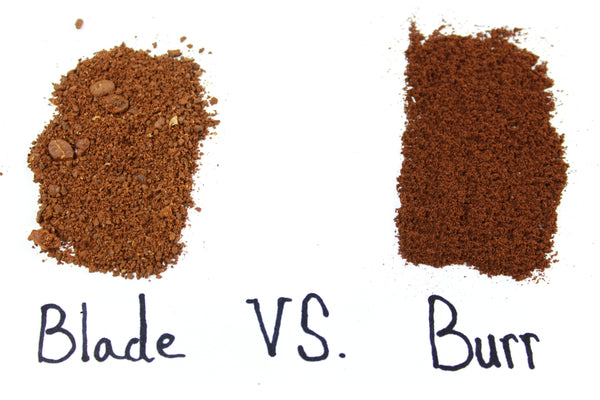
Blade grinders give mixed sizes of grounds. Some particles are fine, others are large. This inconsistency can make coffee taste bitter or weak.
Adjusting grind size is easier with burr grinders. Blade grinders offer little control over grind size.
Burr Vs Blade Comparison
Choosing the right coffee grinder affects your coffee’s taste and enjoyment. Burr and blade grinders offer different benefits and challenges. This comparison helps you decide which suits your needs better. Understanding how each grinder works clarifies their differences.
Grinding Quality
Burr grinders crush beans evenly with two revolving burrs. This produces uniform grounds and consistent flavor. Blade grinders chop beans with a spinning blade. This creates uneven grounds and can cause bitter or weak coffee. Burr grinders allow precise grind size adjustments. Blade grinders offer no control over grind size.
Ease Of Use
Blade grinders are simple with one button operation. Just add beans and press start. Burr grinders have settings for grind size. This requires learning but offers more control. Burr grinders take longer to grind coffee. Blade grinders work faster but less precisely.
Cleaning And Maintenance
Burr grinders have parts that need regular cleaning to avoid oil buildup. Cleaning can be more time-consuming. Blade grinders have fewer parts and are easier to clean. Both need to be cleaned often to keep coffee fresh and flavors pure.
Durability And Lifespan
Burr grinders are built to last with strong materials. They often last many years if maintained well. Blade grinders usually have a shorter lifespan. Their blades can dull or motors can burn out faster. Burr grinders handle frequent use better.
Price Differences
Burr grinders tend to be more expensive due to their design and quality. Blade grinders are budget-friendly and widely available. The higher cost of burr grinders reflects better performance and durability. Blade grinders suit casual coffee drinkers on a tight budget.
Choosing The Right Grinder
Choosing the right coffee grinder is key to enjoying a great cup every day. Your choice affects grind consistency, flavor, and brewing ease. Both burr grinders and blade grinders have unique strengths. Knowing your needs helps you pick the best fit for your routine.
Brewing Preferences
Your brewing method impacts the grinder choice. Burr grinders offer uniform grind size. This suits espresso, French press, and pour-over brewing. Blade grinders produce uneven grounds. They work well for drip coffee and simple brewing. Consistent grind size improves flavor extraction. Choose a grinder that matches your brewing style.
Budget Considerations
Burr grinders usually cost more than blade grinders. They provide better control and durability. Blade grinders are budget-friendly and simple to use. If you want quality and are ready to invest, choose a burr grinder. For casual coffee drinkers or tight budgets, blade grinders serve well. Balance cost with your coffee goals.
Space And Portability
Think about where you will use your grinder. Burr grinders tend to be larger and heavier. They fit well in a fixed kitchen space. Blade grinders are compact and light. They are easy to carry for travel or small kitchens. Choose a grinder that fits your space and lifestyle needs.
Skill Level
Burr grinders have more settings to learn. They require a bit of practice for best results. Blade grinders are simple with one-button operation. Beginners find blade grinders easier to use. Experienced users enjoy the control burr grinders provide. Match the grinder with your comfort and skill level.
Impact Of Grinder Choice On Brew
Choosing the right grinder affects the taste and quality of your coffee. The grinder impacts how flavors come out during brewing. Each type, burr or blade, changes the coffee’s final taste. Understanding these effects helps you enjoy better coffee every day.
Flavor Extraction
Grinders influence how much flavor the coffee releases. Burr grinders crush beans evenly, releasing balanced flavors. Blade grinders chop beans unevenly, which can cause bitter or weak coffee. A consistent grind allows full extraction of coffee oils and aromas. This leads to a richer and smoother cup.
Grind Size Importance
The size of the coffee grind matters a lot. Burr grinders offer precise control over grind size. This control helps match the grind to your brewing method. Blade grinders produce mixed sizes, making it hard to get the right grind. Proper grind size ensures proper brewing time and water flow. It prevents under-extraction or over-extraction of coffee.
Consistency And Taste
Consistency in grind size creates reliable taste every time. Burr grinders provide uniform particles for steady brewing results. Blade grinders create uneven particles, causing unpredictable flavors. Consistent grind size improves the balance of acidity, sweetness, and bitterness. This consistency makes your coffee taste fresh and enjoyable with every cup.
Credit: beanfruit.com
Common Grinder Issues
Grinders play a key role in making great coffee. Both burr and blade grinders have common problems. Understanding these issues helps you choose and maintain your grinder better. This section covers frequent troubles like overheating beans, clogging, and cross-contamination risks.
Overheating Beans
Grinding beans generates heat, but too much can damage flavor. Burr grinders usually produce less heat than blade grinders. Overheated beans lose oils, which lowers coffee quality. Short grinding sessions and cleaning the grinder reduce overheating risks. Avoid running your grinder for too long at once.
Clogging Problems
Clogs happen when coffee grounds build up inside the grinder. Burr grinders can clog if beans are oily or too moist. Blade grinders may clog from uneven particle sizes. Regular cleaning prevents blockages and keeps your grinder working well. Use dry, fresh beans to minimize clogging issues.
Cross-contamination Risks
Using one grinder for different beans can mix flavors. This is a problem when switching between strong and mild coffees. Burr grinders are easier to clean and reduce flavor transfer. Blade grinders are harder to clean inside. Clean your grinder thoroughly between uses to avoid cross-contamination.
Costco Grinder Removal Case
Costco’s decision to remove coffee grinders from its stores sparked many questions among coffee lovers. This move affects both burr grinder and traditional coffee grinder users. The removal case highlights key challenges Costco faced with these machines. Understanding these reasons helps explain why customers now grind coffee at home or purchase pre-ground beans.
Reasons Behind Removal
Costco removed coffee grinders mainly due to damage caused by improper use. Members often ground items other than coffee beans. This misuse damaged the machines and raised safety concerns. The cost of repairing high-end grinders was too high for the store. Frequent breakdowns disrupted the shopping experience and increased expenses.
Member Misuse Challenges
Many members misunderstood how to use the grinders. Some ground nuts or other food items, causing clogs and damage. Others double-ground beans, which broke parts of the grinder. This misuse made the machines unreliable and required frequent maintenance. Staff had to spend extra time fixing or cleaning the grinders.
Hygiene And Liability Concerns
Grinding non-coffee items raised allergy risks for some members. Nuts and other allergens left traces inside the grinders. Hygiene became a big concern for Costco. The store faced possible liability if members got sick. Regular cleaning was difficult with heavy use and misuse by customers.
Current Store Policies
Costco now encourages members to grind coffee at home. Stores focus on selling pre-ground coffee or whole beans. Some locations still offer grinders for purchase but not for public use. The policy reduces damage, maintenance costs, and hygiene risks. Members can still enjoy fresh coffee by grinding beans themselves after purchase.
Maintaining Your Grinder
Maintaining your coffee grinder is key for fresh, tasty coffee every time. A clean grinder works better and lasts longer. Both burr grinders and blade grinders need care, but burr grinders often require more attention. Regular upkeep keeps your grinder in good shape and prevents common problems.
Cleaning Tips
Always unplug your grinder before cleaning. Remove any leftover coffee beans or grounds. Use a soft brush to clear out the burrs or blades. Avoid water on electric parts. For burr grinders, take out the burrs for a deeper clean. Wipe all parts with a dry cloth. Clean your grinder every one to two weeks to avoid buildup. This keeps flavors pure and your grinder running smoothly.
Regular Maintenance
Check for wear and tear on burrs or blades regularly. Burrs may need replacing after grinding several pounds of coffee. Keep the grinder dry to prevent rust or damage. Tighten any loose screws or parts. Store your grinder in a cool, dry place. Regular care helps your grinder perform better and last longer.
Troubleshooting Common Problems
If your grinder jams, stop and unplug it immediately. Remove any stuck beans or debris carefully. If the grinder is not grinding evenly, check the burr alignment or blade sharpness. Strange noises may mean loose parts or damaged burrs. For electrical issues, inspect the power cord and switches. Fix small issues early to avoid costly repairs or replacements.
Upgrading Your Coffee Setup
Upgrading your coffee setup can change how you enjoy coffee every day. Choosing the right grinder is a key step. It affects the taste, aroma, and freshness of your brew. A good grinder helps you get the best from your beans.
Deciding between a burr grinder and a blade grinder matters. Each type offers different benefits. Knowing when to switch grinders and what equipment complements your choice can improve your coffee experience.
When To Switch Grinders
Switch grinders if your current one does not give consistent grind size. Burr grinders offer uniformity. Blade grinders can produce uneven grounds. If you want richer flavor and better control, consider upgrading to a burr grinder. Also, switch if you want to grind beans for different brewing styles. Burr grinders have adjustable settings for fine or coarse grinds.
Complementary Brewing Equipment
Pair your grinder with the right brewing tools. A burr grinder works well with pour-over, French press, and espresso machines. Use a scale for accurate coffee-to-water ratio. A quality kettle with temperature control enhances extraction. Clean your equipment regularly to keep flavors pure. Proper tools make every cup better.
Enhancing Coffee Experience
Freshly ground coffee has more aroma and flavor. A burr grinder preserves these qualities better than a blade grinder. Grinding just before brewing keeps coffee fresh. Experiment with grind size to find your perfect taste. Upgrading your grinder and equipment creates a richer, smoother coffee experience every day.
Credit: coffeeroastco.com
Frequently Asked Questions
Which Is Better, A Burr Or Blade Coffee Grinder?
Burr grinders provide consistent, uniform coffee grounds and better flavor. Blade grinders are cheaper but less precise and uneven. Burr grinders suit coffee enthusiasts; blade grinders fit casual drinkers on a budget.
Why Is Costco Getting Rid Of Coffee Grinders?
Costco removed coffee grinders due to frequent damage from misuse, hygiene concerns, costly repairs, and allergy risks from grinding non-coffee items. These issues made maintenance expensive and unsafe, prompting many stores to discontinue in-store grinders and encourage members to grind beans at home instead.
Which Is Not An Advantage Of Using A Burr Grinder?
A burr grinder does not offer simple one-button operation like blade grinders. It requires more cleaning and has a learning curve.
What Are The Benefits Of A Burr Grinder?
Burr grinders provide consistent, uniform coffee grounds for better flavor extraction. They offer adjustable grind sizes and preserve bean aroma. Their durability and precision outperform blade grinders, enhancing brewing quality.
Conclusion
Choosing between a burr grinder and a blade grinder depends on your coffee needs. Burr grinders offer more control and consistent grind size. Blade grinders are simpler and usually cost less. For those who enjoy rich coffee flavors, burr grinders suit best.
Casual drinkers might prefer the easy use of blade grinders. Understanding these differences helps you pick the right grinder. Good coffee starts with the right grind. Decide what fits your taste and budget today.

Hi, this is Cynthia A. Rose. Welcome to my Grinder related blog. Usually, I am busy with my kitchen and cooking all day. My main desire is to create a new recipe every day. But I have to use new tools every day to create new recipes. In this blog, I will share you how to use kitchen tools properly. I will not just share cooking related equipment, I will try to review all kinds of grinders like angle grinder among you. I hope my 12 years of experience will come in handy. Thanks!
Related posts:
 What to Know About the Grinder Plate When Making Hamburger?