If you’re serious about making great coffee at home, you’ve probably wondered: what’s the real difference between an espresso grinder and a regular coffee grinder? You might think any grinder will do, but when it comes to espresso, the details matter—a lot.
Using the wrong grinder can lead to uneven grounds, bitter flavors, or weak shots that ruin your perfect cup. You’ll discover exactly why espresso grinders are unique, how they affect your brew, and what you should look for to get that rich, smooth espresso you crave.
Keep reading to find out how the right grinder can transform your coffee experience completely.
You May Like
- THE DO-IT-ALL GRINDER:The electric coffee grinder is a powerful…
- ANTI-FLYING DESIGN: The powder catching cup of this espresso grinder…
- PREMIUN PERFORMANCE MOTOR: The Gen4 electric coffee grinder’s motor…
- ANTI-CLOGGING PATENT:Our burr coffee grinder has an anti-clogging…

- CONSISTENT GRIND SIZE – 50 Grind Settings dual ball bearings design…
- TRAVEL COFFEE GRINDER – The Java G45 is a high-performance manual…
- PUSH-BUTTON QUICK RELEASE – Stand out from standard manual coffee…
- COMPACT EXTENDABLE HANDLE – Weighing under 1 lb, the handle easily…

- ALL-PURPOSE COFFEE GRINDER: This coffee bean grinder features 5-blade…
- ANTI-CLOGGING PATENT: Our burr coffee grinder features an innovative…
- PREMIUM PERFORMANCE MOTOR: Equipped with an advanced motor, this…
- ANTI-FLYING POWDER DESIGN: This coffee grinder espresso features a…

- 40 EXTERNAL ADJUSTABLE GRIND SETTINGS – Unlike traditional grinders…
- MINI & PORTABLE DESIGN – Weighing only 325g and measuring…
- CONICAL CERAMIC BURR – Ceramic burrs provide a more uniform grind and…
- 30G BEAN CAPACITY – With a 30g capacity, this grinder allows you to…
- 【Durable Conical Burr】With 40-millimeter stainless steel conical…
- 【Precise Grinding Settings】The OLLYGRIN burr coffee grinder offers…
- 【Keep the Optimal Flavor of Coffee】 OLLYGRIN burr coffee grinder…
- 【Large Capacity & Auto-locking System】 OLLYGRIN burr coffee…
:max_bytes(150000):strip_icc()/__opt__aboutcom__coeus__resources__content_migration__serious_eats__seriouseats.com__2019__02__20190206-coffee-grinder-vicky-wasik-grinds-comparison-1500x1125-b2d47dd44c0d408cabae9d91b262a533-72acbe342c714d41aa3febf61b65ad69.jpg)
Credit: www.seriouseats.com
Espresso Grinder Features
An espresso grinder has special features that make it different from a regular coffee grinder. These features help create the perfect grind size and texture needed for espresso. The grinder must produce very fine and even coffee grounds. The right adjustments and burr type also matter a lot. Heat control is important to keep the coffee flavor fresh and rich.
Fine And Uniform Grind
Espresso needs a very fine grind to extract flavors properly. The grounds must be uniform in size. This helps water pass evenly through the coffee. A regular grinder often creates uneven grounds. This causes bad taste and weak espresso shots. A good espresso grinder gives consistent powder-like coffee.
Stepless Adjustments
Stepless adjustments let you change the grind size in very small steps. This is key for dialing in the perfect espresso shot. It helps find the best flow rate and taste. Many coffee grinders have stepped adjustments. These limit your control and make it hard to get the right grind.
Flat Vs Conical Burrs
Espresso grinders use flat or conical burrs to crush coffee beans. Flat burrs provide more consistent grind size. Conical burrs are quieter and produce less heat. Both types can make great espresso grounds. Choosing depends on grinder quality and your taste preferences.
Heat Management
Grinding coffee creates heat. Too much heat can burn the beans and ruin flavor. Espresso grinders use special designs to reduce heat buildup. This keeps the coffee fresh and aromatic. Good heat management means better tasting espresso every time.
Regular Coffee Grinder Traits
Regular coffee grinders are designed to handle a broad range of coffee brewing styles. They aim to provide flexibility for different methods such as drip, French press, or pour-over. These grinders are common in many homes because of their versatility and ease of use.
Despite their popularity, regular coffee grinders have traits that affect the grind quality. These traits influence the taste and consistency of your coffee. Understanding these characteristics helps to choose the right grinder for your needs.
Wide Grind Range
Regular coffee grinders can produce coarse to medium-fine grounds. They cover many brewing styles but usually do not reach the fine grind needed for espresso. This wide range makes them useful for everyday coffee brewing.
Limited Precision
These grinders often lack fine adjustment settings. Their grind size changes in larger steps, not small increments. This limitation makes it hard to dial in the perfect grind for delicate brewing methods like espresso.
Inconsistent Particle Size
Regular grinders may produce uneven coffee particles. Some particles can be too large, while others are very fine. This inconsistency affects how evenly the coffee extracts during brewing.
Impact On Flavor
Uneven grind size can cause over-extraction or under-extraction. Over-extraction creates bitter flavors, while under-extraction results in sour notes. The limited precision of regular grinders can make it difficult to achieve balanced flavor.
Why Regular Grinders Struggle With Espresso
Regular coffee grinders face many challenges when used for espresso. Espresso demands a very fine and consistent grind. Most regular grinders cannot achieve this precision. This leads to uneven extraction and weak flavor. Understanding these struggles helps explain why espresso grinders exist.
Grind Uniformity Issues
Espresso needs uniform coffee particles for even water flow. Regular grinders often produce uneven grounds. Some particles are too coarse, others too fine. This inconsistency causes over-extraction or under-extraction. The espresso shot can taste bitter or sour because of this.
Lack Of Micro-adjustments
Espresso requires very small changes in grind size to get the perfect shot. Regular grinders usually offer only broad settings. This limits the ability to fine-tune the grind. Without precise adjustments, dialing in espresso becomes difficult and frustrating.
Heat And Retention Problems
Regular grinders can heat up the coffee beans during grinding. Excess heat changes the flavor of the coffee negatively. They may also hold leftover grounds inside the burrs or chamber. This old coffee mixes with fresh grounds, affecting taste. Espresso grinders minimize heat and retention for better flavor.
Choosing The Right Grinder For Espresso
Choosing the right grinder for espresso makes a big difference in taste. Espresso demands a fine, even grind to extract rich flavors. Not all coffee grinders meet this need. Knowing what to look for helps you pick the best tool for your espresso machine.
Burr Grinder Importance
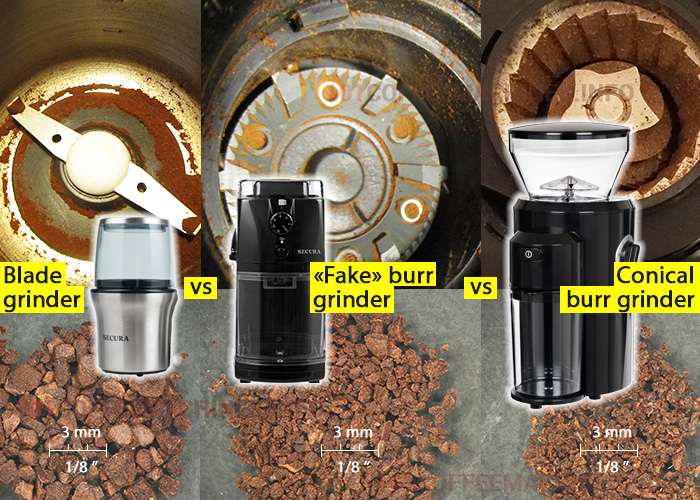
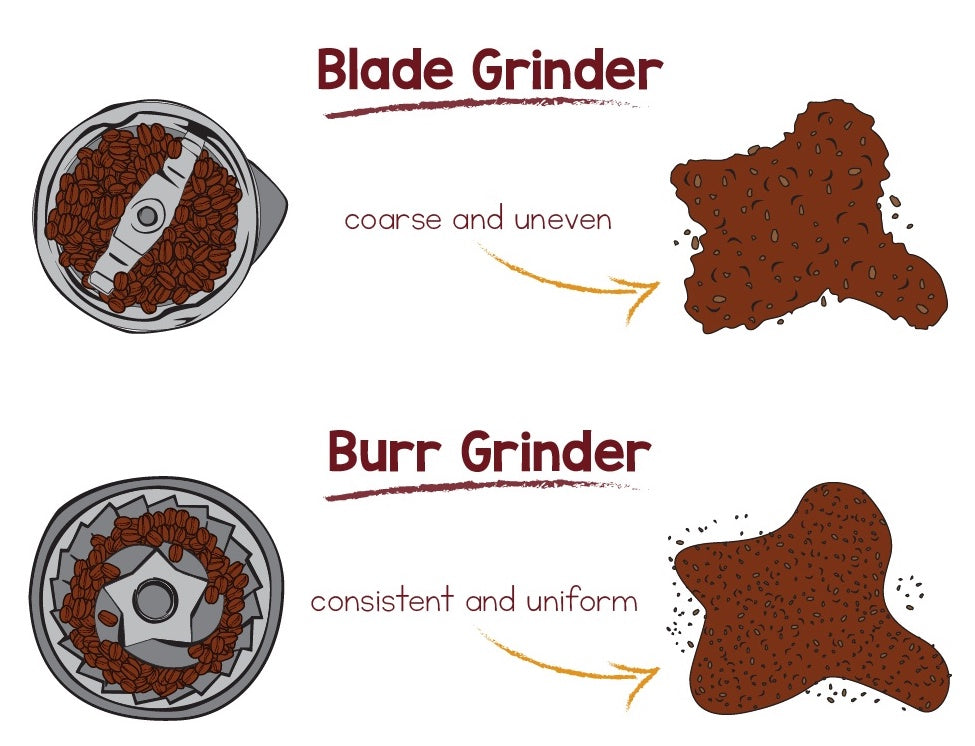
Burr grinders crush beans between two surfaces. This method creates uniform particles. Blade grinders chop beans unevenly, causing inconsistent extraction. Burr grinders keep heat low, protecting the coffee’s flavor. They are the best choice for espresso.
Precision Grind Settings
Espresso requires very precise grind sizes. Even small changes affect the shot quality. Look for grinders with fine, stepless adjustments. These let you dial in the exact grind size needed. This control improves the taste and balance of your espresso.
Consistent Particle Size
Consistent particle size ensures even water flow during brewing. Uneven grounds cause over or under-extraction. This leads to bitter or sour flavors. A good espresso grinder produces particles that are all the same size. This consistency creates smooth, rich espresso shots.
Using Coffee Grinders For Espresso
Espresso demands a very fine and even grind. Coffee grinders made for drip or French press often cannot achieve this. Many people try using regular coffee grinders for espresso to save money or space.
This can work but with some trade-offs. The grind size may not be as consistent. This affects the extraction and taste of your espresso shot.
Potential Compromises
Regular coffee grinders usually lack the precision needed for espresso. Their settings may be too coarse or not fine enough. This causes uneven extraction and weak flavor.
Grind consistency is key for espresso. Inconsistent grounds create sour or bitter shots. These grinders may also heat up beans during grinding, which changes the taste.
Many coffee grinders do not have micro-adjustments. This makes it hard to fine-tune grind size for your espresso machine. You might spend extra time dialing in the perfect shot.
Pressurized Basket Benefits
Using a pressurized basket can help with less precise grinds. It creates pressure to force water through the coffee evenly. This can mask some grind inconsistencies.
Pressurized baskets are easier for beginners or those with basic grinders. They allow decent espresso with a wider grind range. Still, the taste may not match a quality espresso grinder.
These baskets work well for home use or casual espresso drinkers. They reduce the need for perfect grind size and tamp pressure. A good option before upgrading your grinder.
When To Upgrade
Upgrade your grinder if you want better espresso quality. Look for machines with fine, consistent grind settings. Stepless or micro-adjustable grinders offer more control.
Espresso lovers who want rich flavor and crema should invest in a true espresso grinder. It saves time and frustration in dialing in shots. Also improves the taste and texture.
Professional or daily users will see the biggest difference. A dedicated espresso grinder delivers uniform grounds and stable temperature. This results in a smoother, balanced espresso experience.
Manual Vs Electric Grinders
Choosing between manual and electric grinders affects your coffee experience deeply. Each type offers unique benefits that suit different needs and lifestyles. Understanding their differences helps you pick the right grinder for espresso or regular coffee brewing.
Consistency And Control
Manual grinders give you full control over grind size. You can adjust settings easily for espresso or drip coffee. Electric grinders work fast and provide consistent results with less effort. They often have precise adjustments for fine-tuning grind size. Manual grinding may vary slightly but allows personal touch. Electric models reduce guesswork and deliver uniform grounds every time.
Portability And Convenience
Manual grinders are lightweight and easy to carry. They need no electricity, perfect for travel or camping. Electric grinders require power and usually stay in the kitchen. They save time and effort by grinding beans quickly. Manual grinders need more physical work but offer freedom. Electric grinders suit busy mornings and large coffee volumes.
Maintenance Considerations
Manual grinders have fewer parts and are easier to clean. They often need occasional lubrication and simple care. Electric grinders have motors and more components. Cleaning can be more involved and require extra steps. Both types need regular cleaning to avoid stale grounds. Proper maintenance keeps your grinder working well and your coffee tasting fresh.
Top Grinders For Espresso Brewing
Choosing the right grinder is vital for perfect espresso brewing. The grinder affects the taste, texture, and quality of your espresso shot. Not all coffee grinders deliver the fine, consistent grind espresso needs. This section reviews top grinders made for espresso to help you find the best fit.
Popular Models And Brands
Many brands make grinders suited for espresso. Baratza is popular for its reliable and easy-to-use models. The Baratza Sette series offers precise grind settings for espresso lovers.
Rancilio is another trusted name, with the Rocky grinder known for its durability. Breville grinders combine style and function, with models like the Smart Grinder Pro.
For high-end options, Mazzer and Eureka deliver commercial-grade performance. These grinders provide consistent particle size and stepless adjustments favored by baristas.
Features To Compare
Grind consistency is the most important feature. Look for burr grinders, either flat or conical, as they produce uniform grounds.
Adjustability matters. Stepless or micro-adjustment dials allow fine tuning of grind size to suit your espresso machine.
Heat generation affects coffee flavor. Choose grinders with good heat management to avoid burning the beans.
Consider capacity and ease of cleaning. A hopper that fits your daily amount and removable burrs simplify maintenance.
Budget Vs Premium Options
Budget grinders suit beginners. They offer decent grind quality but may lack fine tuning and consistency.
Premium grinders cost more but provide excellent control and durability. They suit serious espresso enthusiasts and professionals.
Mid-range models strike a balance, offering some advanced features at a fair price. They often work well for home use.
Decide what features matter most. Your choice depends on your espresso habits and how much you want to spend.
Credit: 101coffeemachines.info
Common Grinding Mistakes
Grinding coffee beans correctly is key to a great cup. Many people make mistakes that affect flavor and texture. Understanding common grinding errors helps improve your coffee experience. This section highlights frequent grinding mistakes to avoid for both espresso and regular coffee.
Using Blade Grinders
Blade grinders chop beans unevenly. This creates inconsistent particle sizes. Some pieces become powder, others stay large. Uneven grounds lead to poor extraction and weak flavor. Blade grinders also cause heat buildup. This can burn beans and spoil taste. Burr grinders are better for uniform grinding.
Overheating Beans
Grinding too fast or too long heats beans. Heat changes bean oils and aromas. Overheated beans lose flavor and produce bitter coffee. High-quality burr grinders reduce heat buildup. Grinding in short bursts helps keep beans cool. Always let grinder rest if it gets hot.
Incorrect Grind Size
Different brewing methods need specific grind sizes. Espresso requires very fine grounds. Drip coffee needs medium grind. Using the wrong size affects extraction speed. Too coarse grinds make weak coffee. Too fine grinds cause bitter or burnt taste. Adjust your grinder to match your brew method.
Credit: torque.coffee
Frequently Asked Questions
Are Espresso Grinders Different Than Coffee Grinders?
Espresso grinders produce very fine, uniform grounds with precise adjustments for high-pressure extraction. Regular coffee grinders offer coarser, less consistent grinds, lacking espresso-specific precision.
Can I Use A Regular Coffee Grinder For Espresso?
You can use a regular coffee grinder for espresso, but it often lacks the fine, consistent grind needed. This results in uneven extraction and poor flavor. Burr grinders with precise adjustments work best for espresso, while blade or standard grinders usually fail to deliver quality shots.
Is Espresso Grind The Same As Coffee Grind?
Espresso grind differs from regular coffee grind by being much finer and more uniform. Espresso requires precise, consistent grounds for proper extraction, which most coffee grinders cannot achieve. Regular grinders offer coarser, less consistent particles, affecting espresso flavor and quality.
Is 1 Shot Of Espresso Equal To 1 Cup Of Coffee?
One shot of espresso is not equal to one cup of coffee. Espresso is more concentrated and smaller in volume than a regular coffee cup.
Conclusion
Choosing between an espresso grinder and a regular coffee grinder depends on your brewing style. Espresso grinders deliver fine, consistent grounds needed for pressure extraction. Regular coffee grinders handle a wider range but lack espresso precision. For rich, balanced espresso, a grinder with fine adjustments matters most.
Consistency and grind size directly affect flavor and shot quality. Understanding these differences helps you enjoy coffee the way you prefer. Select the grinder that matches your taste and brewing method for the best experience.

Hi, this is Cynthia A. Rose. Welcome to my Grinder related blog. Usually, I am busy with my kitchen and cooking all day. My main desire is to create a new recipe every day. But I have to use new tools every day to create new recipes. In this blog, I will share you how to use kitchen tools properly. I will not just share cooking related equipment, I will try to review all kinds of grinders like angle grinder among you. I hope my 12 years of experience will come in handy. Thanks!
Related posts:
 What to Know About the Grinder Plate When Making Hamburger?