
You want your coffee to taste just right every single morning, but how do you know how many scoops of coffee to use per cup of water? Getting this simple ratio wrong can leave you with a brew that’s either too weak or overwhelmingly strong.
Imagine starting your day with a perfect cup that hits all the right notes — smooth, rich, and full of flavor. You’ll discover the easy-to-follow guidelines that help you measure your coffee like a pro. No guesswork, no wasted beans — just the perfect balance tailored to your taste.
Keep reading, and soon you’ll master the secret to brewing coffee that feels made just for you.

Credit: coffeechronicler.com
Coffee To Water Ratios
Getting the coffee to water ratio right is key to a good cup. It controls the flavor, strength, and overall taste. Using too much coffee can make it bitter. Using too little makes it weak and dull. Understanding the right balance helps you enjoy every sip.
Standard Measurements
The common rule is one scoop of coffee per cup of water. A standard scoop usually holds about one tablespoon of coffee grounds. One cup here means 6 ounces of water, not a full 8-ounce cup. This ratio works well for most drip coffee makers.
Using level tablespoons is important. Heaping spoons add extra coffee and change the taste. Consistency in measuring keeps your brew predictable and balanced.
Golden Ratio For Brewing
The golden ratio for coffee brewing is about 1 to 2 tablespoons of coffee per 6 ounces of water. This means 1:15 to 1:17 coffee to water by weight. It is the sweet spot for flavor and strength.
This ratio can vary slightly depending on the coffee type and grind size. Weighing coffee and water gives the most accurate results. But using tablespoons is fine for everyday brewing.
Adjusting For Strength
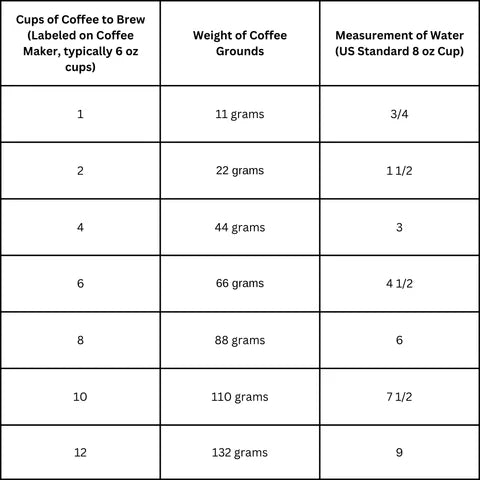
Adjust the amount of coffee to suit your taste. For stronger coffee, add more grounds per cup. For weaker coffee, use less coffee or more water. Small changes make a big difference in flavor.
Try brewing with a base ratio first. Then tweak it little by little until you find your perfect cup. Taste tests help you learn what you enjoy most.
Credit: www.drivencoffee.com
Choosing The Right Scoop
Choosing the right scoop is key for brewing a great cup of coffee. The amount of coffee you use changes the taste and strength. Using the correct scoop helps keep your coffee consistent every time. This section explains scoop sizes, how to measure scoops, and how grind size affects your coffee.
Scoop Sizes Explained
Coffee scoops come in different sizes. The most common scoop holds about two tablespoons of coffee. Some scoops are smaller, around one tablespoon, while others can be larger. Knowing your scoop size helps you measure coffee correctly. Always check your scoop size before brewing. This avoids making coffee too strong or too weak.
Using Level Vs Heaping Scoops
How you fill your scoop matters a lot. A level scoop means the coffee is even with the edge. A heaping scoop means the coffee piles above the edge. Level scoops provide consistent coffee strength. Heaping scoops add extra coffee and make the brew stronger. For best results, use level scoops unless you want a stronger taste.
Impact Of Grind Size
Grind size affects how much coffee fits in a scoop. Fine grounds pack tightly and fill the scoop more. Coarse grounds are lighter and take up more space. Using the same scoop size can give different amounts of coffee by weight. Adjust your coffee amount depending on the grind size. This helps keep the flavor balanced in every cup.
Measuring Techniques
Measuring coffee correctly helps make a perfect cup every time. Using the right technique ensures balance between coffee and water. It improves taste and avoids waste. Various tools and methods help achieve this consistency.
Simple methods suit beginners, while precise tools benefit coffee lovers. Knowing each technique’s pros and cons guides better coffee making.
Tablespoons Vs Coffee Scoops
Tablespoons are common and easy to find in kitchens. One level tablespoon usually equals one scoop. Coffee scoops often hold about two tablespoons of grounds. Scoops give a quick, rough measure but vary in size. Tablespoons need leveling to avoid too much coffee. Both tools work, but consistency depends on using the same method.
Using A Kitchen Scale
A kitchen scale offers the most accurate measurement. It measures coffee by weight, not volume. Coffee grounds can differ in density, so weight is better. Typical ratio: 15 grams coffee per 8 ounces water. Scales help adjust strength precisely. They reduce guesswork and improve repeatability in brewing.
Consistency Tips
Always use the same measuring method to keep taste steady. Level your scoops or tablespoons for accuracy. Store coffee properly to keep moisture and freshness. Grind size affects volume, so adjust coffee amount accordingly. Write down your measurements and results to track preferences. Consistency leads to better coffee and less waste.
Brewing Methods And Ratios
Brewing coffee requires the right balance between coffee grounds and water. Different brewing methods call for different ratios. This section explains how to measure coffee scoops per cup of water for various techniques. Proper ratios ensure a flavorful and satisfying cup every time.
Drip Coffee Guidelines
For drip coffee, use one level scoop of coffee per six ounces of water. A standard scoop is about one tablespoon. This ratio creates a balanced, smooth brew. Adjust slightly if you prefer stronger or lighter coffee. Use medium grind for best extraction in drip machines.
Pour-over Adjustments
Pour-over coffee needs a bit more precision. Start with one scoop per five to six ounces of water. The grind should be medium-fine to allow proper flow. Pour water slowly and evenly over the grounds. Adjust coffee amount to control strength and flavor clarity.
Machine-specific Tips
Different coffee machines may require unique scoop-to-water ratios. For single-serve machines, follow manufacturer instructions closely. Espresso machines use very fine coffee and less water, usually one scoop for one to two ounces. Experiment within these guidelines for the best taste.
Tailoring Your Brew
Tailoring your brew means adjusting coffee and water amounts to match your taste. Every coffee drinker prefers a different strength and flavor. By changing the number of scoops per cup, you control how bold or mild your coffee will be. This section helps you find the right balance for your perfect cup.
Making Stronger Coffee
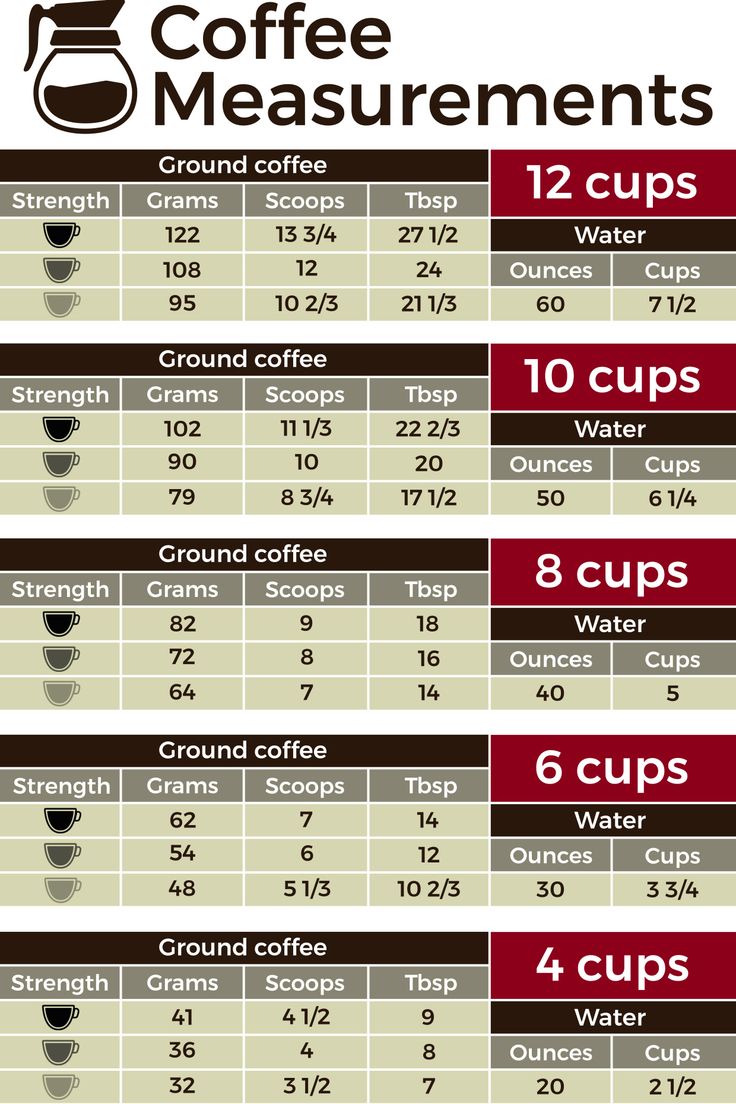
Use more coffee scoops than the standard measure. For one cup of water, try one and a half scoops. This increases the coffee’s strength and flavor. Make sure to use level scoops for accuracy. Strong coffee can be bitter, so avoid adding too much at once. Taste and adjust slowly for the best result.
Making Weaker Coffee
Reduce the coffee scoops to make a lighter brew. Use half to three-quarters of a scoop per cup of water. This creates a milder taste and less caffeine. Weaker coffee is smooth and easy to drink. Perfect for those who prefer a gentler flavor or want fewer caffeine effects. Always measure carefully to keep consistency.
Experimenting To Find Your Taste
Start with the standard ratio: one scoop per cup of water. Brew and taste your coffee. Change the scoop amount slightly each time you brew. Keep notes on what you like and dislike. Try different grind sizes, too. Small changes help find your favorite strength and flavor. Enjoy the process of discovering your ideal cup.
Credit: www.umamicart.com
Pro Tips For Perfect Coffee
Perfect coffee depends on more than just scoops and water. Small details make a big difference in taste. Follow these simple pro tips to improve your brew. Quality water, fresh grounds, and clean equipment all affect flavor. Learn how each factor plays a role in your daily cup.
Water Quality And Temperature
Use clean, fresh water for the best coffee taste. Avoid water with strong flavors or chemicals. The ideal water temperature is between 195°F and 205°F. Too hot water burns coffee; too cold water under-extracts it. Consistent temperature helps extract the perfect flavor.
Freshness Of Coffee Grounds
Always use freshly ground coffee for richer taste. Coffee loses flavor quickly after grinding. Grind beans just before brewing for optimal freshness. Store coffee in an airtight container away from light and heat. Fresh grounds produce a more vibrant and aromatic cup.
Cleaning And Maintenance
Clean your coffee maker regularly to avoid old residue. Oils and coffee bits build up and cause bitter flavors. Rinse parts with warm water and mild detergent. Descale the machine monthly to remove mineral deposits. A clean machine ensures pure and consistent coffee taste.
Frequently Asked Questions
How Many Scoops Of Coffee Do You Use Per Cup Of Water?
Use one level scoop (about 1 to 2 tablespoons) of coffee per 6 ounces of water for a balanced cup. Adjust to taste.
How Much Coffee Do I Use For 4 Cups Of Water?
Use 4 tablespoons of ground coffee for 4 cups of water. Adjust to taste for stronger or milder coffee.
How Much Coffee Do I Put In A 12 Cup Mr. Coffee Maker?
Use one level tablespoon of coffee per cup of water for a 12-cup Mr. Coffee Maker. Adjust to taste.
Is It 1 Or 2 Tablespoons Of Coffee Per Cup?
Use 1 level tablespoon of coffee per 6-ounce cup for a balanced brew. Adjust to 2 tablespoons for a stronger taste.
Conclusion
Finding the right coffee-to-water ratio matters for a great cup. Start with one level scoop per six ounces of water. Taste may vary, so try adding or reducing coffee slightly. Use a consistent measuring spoon to keep it simple. Remember, grind size and brewing method also affect flavor.
Keep experimenting until you enjoy your perfect brew every time. Enjoy your coffee moments!

Hi, this is Cynthia A. Rose. Welcome to my Grinder related blog. Usually, I am busy with my kitchen and cooking all day. My main desire is to create a new recipe every day. But I have to use new tools every day to create new recipes. In this blog, I will share you how to use kitchen tools properly. I will not just share cooking related equipment, I will try to review all kinds of grinders like angle grinder among you. I hope my 12 years of experience will come in handy. Thanks!