Affordable manual coffee grinders vary by build material, ease of use, and portability. These tools differ mainly in their internal burr type, which dictates grind consistency, and the number of adjustment settings available for different brew methods.
Best overall: TIMEMORE Chestnut C3S features an all-metal body and patented S2C steel burrs that provide consistent grinding for both espresso and pour-over coffee, making it a reliable choice for daily use. Best for first-time brewers: 1Zpresso Q Air is designed for beginners who need a compact, portable grinder that fits inside an AeroPress, offering precise adjustments and a factory-calibrated burr for long-term stability. Best for durability: Manual Aluminum Grinder uses a solid aluminum alloy construction without any plastic parts, ensuring a sturdy feel and a consistent grind through its stainless steel conical burr system.
This guide is for anyone looking to improve their home brewing experience through precise, manual bean preparation.
How We Picked
We compared 48 different manual coffee grinder listings to find options that clearly state their capacity, material composition, and adjustment mechanisms. A product earned a place only if the seller provided specific details about the burr type, the range of grind settings, and the physical dimensions of the unit. Products were excluded if they lacked clear information regarding their cleaning process or if their primary build materials weren’t identified. We focused on finding a balance between travel-ready portability and home-use performance.
All 10 products side by side — scroll sideways to see every column.
| Top Pick | Best for Metal Build | Best for Easy Cleaning | Best for AeroPress | Best for Quiet Grinding | Best for Large Batches | Best for Precision | Best for Plastic-Free | Best for Vintage Style | ||
| Preview | 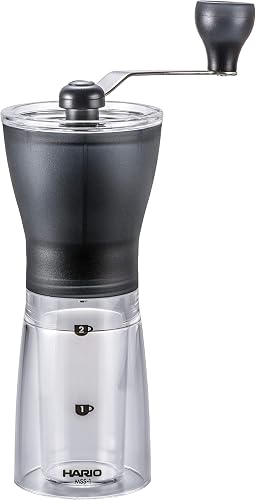 | 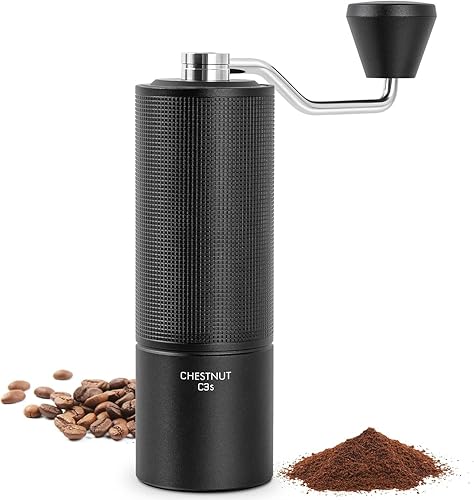 |  |  |  |  |  | 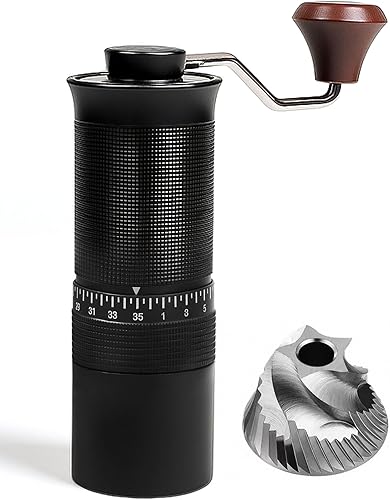 |  |  |
|---|---|---|---|---|---|---|---|---|---|---|
| Product | Hario Ceramic Mill | TIMEMORE Chestnut C3S | KINGrinder P0 | 1Zpresso Q Air | Manual Stainless Grinder | Manual Large Capacity Grinder | Manual 90 Setting Grinder | Manual Aluminum Grinder | CIRCLE JOY Mini Grinder | Vintage Wooden Grinder |
| Brand | HARIO | TIMEMORE | KINGrinder | 1Zpresso | JavaPresse | QIYUEXES | CEVING | Rsoilch | CIRCLE JOY | Rewido |
| Best for | Top Pick | Best for Metal Build | Best for Easy Cleaning | Best for AeroPress | Best for Quiet Grinding | Best for Large Batches | Best for Precision | Best for Plastic-Free | — | Best for Vintage Style |
| The listing says | Materials: methacrylic resin, ceramic, polypropylene, stainless steel Country of origin: China | Patented S2C steel burr for consistency Aluminum alloy body with dual-bearing design | ABS construction, 330g weight, 20g capacity SUS420 conical burr for drip coffee | 30 clicks per rotation for pour-over Compact size fits inside AeroPress plunger | Adjustable ceramic burr with 18 settings Manual operation requires no batteries | 48 adjustable grind settings 80g bean capacity | 90 external click settings 0.03mm click precision | 35 settings for various brew methods Stainless steel conical burr | 40 external grind settings Stainless steel body, extra-long handle | Vintage wooden body and hand crank Adjustable grinding mechanism |
| More information | Check Price on Amazon | Check Price on Amazon | Check Price on Amazon | Check Price on Amazon | Check Price on Amazon | Check Price on Amazon | Check Price on Amazon | Check Price on Amazon | Check Price on Amazon | Check Price on Amazon |
1. Hario Ceramic Coffee Mill-Original
Best for: Users who want a classic, slim kitchen design.
This grinder features a slim profile that makes it easy to store in tight kitchen spaces. Measuring 15×7.2x22cm, its footprint is small enough for crowded countertops. Its ceramic burrs are designed for simple daily use, and you can even detach the handle to save more room in your cupboard.
Because it’s made from materials like methacrylic resin, polypropylene, and stainless steel, it offers a lightweight experience at just 14.1 ounces. This unit isn’t for those who need a high-capacity hopper for large batches. It holds roughly 24 grams of coffee powder, which is enough for about two cups. If you’re brewing for a crowd, you’ll need to grind in multiple stages.
The KINGrinder P0 is a portable choice with a compact size, making it a travel companion for indoor and outdoor activities. However, those who require rapid, high-volume output should consider an electric alternative. The manual effort required for the ceramic burrs is best suited for single-serving rituals.
Pros
- Slim design saves storage space
- Easy to clean components
- Handle detaches for storage
Cons
- Smaller capacity for large brews
- Ceramic burrs require manual effort
2. TIMEMORE Chestnut C3S Manual Coffee Grinderwith Stainless Steel S2C Conical
Best for: Someone who wants an all-metal, durable build.
This grinder uses a patented S2C steel burr engineered to provide a uniform grind size for better extraction. The dual-bearing design keeps the grinding process smooth and precise, which is essential when you need a consistent texture for espresso.
The all-metal aluminum alloy body contains no plastic. At 52mm wide and weighing 530 grams, it remains portable while maintaining a 25-gram capacity. This volume is perfect for preparing one or two cups of coffee at a time.
If you’re brewing French Press, Pour Over, or Espresso, use the stepless adjustment dial to dial in your preferred coarseness. Because the internal components rely on metal-on-metal precision, never wash the unit with water. Instead, use the included brush to sweep away residual grounds after each session.
Pros
- Durable all-metal body
- Patented S2C steel burrs
- Dual-bearing for consistent grinding
- Stepless adjustment for any brewing method
Cons
- Don’t wash with water
- Requires brush-only cleaning
- 25g capacity limits batch size
3. KINGrinder P0 Lightweight Manual Coffee Grinder
Best for: Travelers needing a lightweight, compact grinder.
Constructed from ABS, this model is designed to keep weight low while maintaining functionality for drip coffee. It weighs only 330g, making it a practical choice for those prioritizing portability during indoor or outdoor activities.
The grinder offers 30 clicks per rotation, allowing you to make precise adjustments of 0.0333mm to your grind size by simply turning the dial. If you’re brewing drip coffee, this level of control ensures a uniform grind.
The unit is simple to disassemble without tools, which simplifies the cleaning process after a trip. Use the included brush to maintain the SUS420 stainless steel burrs.
This grinder isn’t for those who need to grind large amounts of coffee at once, as it has a capacity limit of 20 grams. If you require a larger batch for multiple people, you’ll need a grinder with a higher capacity.
Pros
- Very lightweight construction
- Easy tool-free disassembly
- Precise 30-click adjustment
Cons
- Limited 20g bean capacity
- ABS body feels less premium than metal alternatives
4. 1Zpresso Q Air Manual Coffee Grinder-Black
Best for: Beginners who brew with an AeroPress.
This grinder is designed to fit inside the plunger of an AeroPress, making it an excellent choice for coffee lovers who travel often. It features factory-calibrated burrs to minimize wobbling, which helps ensure consistent results for pour-over brewing.
The unit is built to last for 100 to 200 kg of grinding, and it comes with a one-year limited warranty to ensure long-term reliability. If you brew for more than one person, look elsewhere; the hopper holds only 15 to 20 grams of coffee beans per session.
Many users mistake the compact size for a lack of precision. However, the 30 clicks per rotation provide the control needed for specific brew methods like French press or cold brew. If you prioritize portability over batch size, this tool is your best match. If you need to grind for a full carafe, the small capacity will force you to grind in multiple stages.
Pros
- Ultra-compact travel size
- Factory-calibrated for stability
- Includes one-year limited warranty
Cons
- Small capacity for batches
- Designed primarily for pour-over
5. Manual Stainless Grinder
Best for: Those who want to grind beans quietly.
This grinder uses a ceramic conical burr assembly that requires no electricity, making it a quiet alternative to electric blade grinders. It eliminates 90% of the noise produced by motorized models. You get 18 manual grind settings, giving you total control over the coarseness for methods ranging from espresso to French press.
The design is intended to be portable, making it a common choice for camping or office use where noise is a concern. If you’re brewing for a crowd, look elsewhere; this unit is sized specifically for single-serve or drip coffee makers. Don’t expect speed, as the ceramic burr is engineered for consistency rather than velocity. However, it’s built to last five times longer than standard stainless steel burrs.
Pros
- Very quiet grinding operation
- 18 adjustable grind settings
- Portable and battery-free
Cons
- Ceramic burrs take longer
- Not for large batches
- Requires manual effort for every cup
6. Manual Large Capacity Grinder
Best for: Households that need to grind large batches.
With an 80g bean capacity, this grinder allows you to prepare coffee for multiple people at once without needing to refill the hopper. It includes two Mason jars, which makes it easy to store your grounds or keep a spare jar ready for a different brew method.
The adjustment ring offers 48 settings, providing enough range for everything from espresso to French press. If you’re brewing espresso, use the finer end of the dial; for French press, shift toward the coarser settings to avoid over-extraction. This model isn’t for users who want a tiny, pocket-sized device, as its larger capacity results in a 2.95×2.95×7.28 inch footprint.
The conical ceramic burr ensures uniform grinding with minimal heat. This preserves the natural aroma of your beans better than blade grinders. If you notice the grind consistency slipping, disassemble the three main components and use the included brush to remove trapped oils. While the 425g weight is portable for camping or RV trips, the manual effort required to process a full 80g batch is significant. Only choose this if you prioritize fresh, high-volume output over the convenience of an electric motor.
Pros
- High 80g bean capacity
- Includes a pair of Mason jars.
- 48 distinct grind settings
Cons
- Larger size than travel models
- Manual effort for 80g
7. Manual 90 Setting Grinder
Best for: Home baristas wanting extreme precision.
This grinder features 90 external click settings, which is useful if you’re trying to dial in a specific flavor profile for espresso. The external dial means you don’t have to open the hopper or mess with internal parts to change your settings. Because the steps are tightened to 0.03mm, you gain the granular control necessary to fix an over-extracted or sour shot.
Its 60g capacity allows you to grind enough for larger brews like cold brew or French press in one go. You avoid the common mistake of grinding in multiple small batches, which saves time during busy mornings. It isn’t for those who want a minimalist, non-adjustable device, as the high number of settings may be more than a casual drinker requires.
Pros
- 90 precise external settings
- Large 60g bean capacity
- Easy external adjustment dial
Cons
- More settings than needed
- Slightly heavier than others at 462g
8. Manual Aluminum Grinder
Best for: Those avoiding plastic components.
This grinder is built with a solid aluminum alloy body and features a wooden handle, ensuring no plastic or silicone touches your coffee beans. Its stainless steel conical burr is designed to handle a wide range of sizes, from fine espresso to coarse cold brew.
Use 5–10 clicks for espresso, 11–15 for Moka pot, 16–30 for pour over, and 30 clicks or more for French press.
The mid-body external ring allows for 35 distinct settings, which you can adjust without removing the handle. It isn’t for users who prefer a lightweight plastic build, as the solid metal construction makes this unit feel heavier in the hand. The 30g capacity is ideal for a double shot or two cups.
Pros
- Solid aluminum, plastic-free body
- 35 external grind settings
- Comfortable wooden handle
Cons
- Heavier than plastic models
- 30g capacity is moderate
- Requires thorough drying after rinsing
9. CIRCLE JOY Mini Manual Coffee Grinder with 40 External Adjustable
Best for: Users who want to see their grind progress.
This grinder features a clear glass grounds hopper, so you can easily see exactly how much coffee you have ground. It uses a stainless steel body and an extra-long handle to improve leverage, which helps reduce fatigue during the grinding process.
The 40 external settings are easy to access, allowing you to switch between fine and coarse grinds quickly. If you’re brewing for a French press, use the coarser settings; for pour-over, dial it toward the finer end. Because the burrs are ceramic, they generate less heat than steel alternatives, which preserves the delicate oils and aroma of your beans.
It isn’t for users who are worried about breaking glass components. If you plan to travel frequently or hike, consider if the glass hopper fits your risk tolerance. If you prefer a rugged setup for camping, choose a model with a reinforced plastic or metal catch cup instead.
Pros
- Clear glass grounds hopper
- Extra-long handle for leverage
- 40 external grind settings
Cons
- Not as compact as others
10. Vintage Wooden Grinder
Best for: People who want a retro kitchen aesthetic.
This unit combines a natural wood body with a traditional hand crank, serving as both a functional tool and an elegant decorative piece for your kitchen counter. It uses a ceramic conical burr to provide a consistent grind for various brewing methods, including French Press, Pour Over, and Espresso.
If you’re brewing for a single cup, the manual crank is efficient, but expect a slower pace than electric models. If you prioritize speed for large batches, this manual grinder will likely frustrate your morning routine. The set includes a stainless steel scoop and a cleaning brush, making it a complete package for someone starting out. Use the scoop to measure beans accurately before grinding to ensure the right ratio for your preferred brew.
The ergonomic stainless steel handle provides leverage, but the compact, wooden build requires a firm grip during use. It’s perfect for home kitchens, offices, or camping trips where electricity is unavailable.
Pros
- Elegant retro wooden design
- Complete set with accessories
- Decorative and functional
Cons
- Slower grinding experience
- Traditional style is bulky
How to Choose in Sixty Seconds
Which burr type should I choose?
Ceramic burrs are often chosen for their durability and lack of heat buildup, which helps preserve natural oils. However, steel burrs are generally preferred for precision, especially if you’re grinding for espresso. Steel tends to produce a more uniform particle size, resulting in a cleaner extraction. If you’re a beginner, ceramic is a common starting point. If you want to experiment with different flavor profiles and finer grinds, steel is the better path.
Be aware of how you clean your gear. The listing doesn’t mention the relative durability of ceramic versus stainless steel burrs. If you prefer a quick rinse, verify the manufacturer allows it. Otherwise, you must rely on a brush.
Does the number of settings really matter?
The number of settings determines how much control you have over the coarseness of your grounds. A grinder with 40 or 90 settings gives you the flexibility to fine-tune your coffee for different brewing methods, such as moving from a coarse French press to a very fine espresso.
If you only ever brew one style, a grinder with 15–20 settings is likely sufficient. However, if you enjoy experimenting, more clicks allow for greater accuracy. A mistake many make is buying a model with internal dials. These require you to disassemble the hopper to change settings, which is a chore. Look for external adjustment rings instead. They allow you to dial in your grind in a single twist without loose parts or mess.
What should I look for in a travel grinder?
For travel, look for a lightweight, compact design that fits into a bag or inside your brewing equipment. Compact models designed to nest inside an AeroPress save significant space. Ensure the handle is detachable or foldable so it doesn’t take up extra room.
Weight is a major factor if you’re hiking or backpacking. Always confirm that the grinder comes with a cleaning brush, as you’ll need to keep the burrs free of old grounds while on the road. If you prioritize portability, check the handle length; an extra-long handle provides better leverage and reduces hand fatigue during manual grinding.
The TIMEMORE Chestnut C3S stands out as a reliable daily driver for those who value an all-metal build. If you prioritize portability, a dedicated travel-sized grinder is an excellent, compact choice. To get started, identify your preferred brewing method and choose the grinder that offers the range of settings best suited to that style. Once you have your grinder, try experimenting with different coarseness levels to find the flavor profile you enjoy most.
Frequently Asked Questions
What does it take to keep these grinders clean?
Most manual grinders require simple maintenance using the included cleaning brush to remove leftover grounds. Brushing out the burrs after every use keeps them performing well. Always check your manual before attempting any deep cleaning or disassembly.
Do I need special skills to get a good grind?
You need to maintain a steady, even pace while turning the handle to ensure beans move through the burrs uniformly. High-precision models like the Manual 90 Setting Grinder allow you to track your setting number to replicate results. Consistency improves your grind quality over time.
Is the simplest grinder on the list enough for me?
A simple model like the Hario Ceramic Mill is sufficient for casual drip or pour-over coffee brewing. These grinders feature straightforward adjustment systems that are easy for beginners to use. If you require espresso-grade precision, you will need a more advanced grinder.
What goes wrong first on a manual grinder?
Most common issues involve the handle or adjustment dial if they are handled roughly. On models like the CIRCLE JOY Mini Grinder, the glass hopper is the most vulnerable part if dropped. Always handle your grinder with care to ensure it remains a long-term part of your routine.
Conclusion
Finding the right tool doesn’t have to be complicated. Once you’ve picked a model that fits your budget, you’ll start noticing a real difference in your morning cup. Don’t be afraid to experiment with your settings; you’ll soon find the perfect texture that makes your favorite beans taste their absolute best.

Hi, this is Cynthia A. Rose. Welcome to my Grinder related blog. Usually, I am busy with my kitchen and cooking all day. My main desire is to create a new recipe every day. But I have to use new tools every day to create new recipes. In this blog, I will share you how to use kitchen tools properly. I will not just share cooking related equipment, I will try to review all kinds of grinders like angle grinder among you. I hope my 12 years of experience will come in handy. Thanks!
Related posts:
 Best Way to Clean a Grinder to Save Kief: Expert Tips